

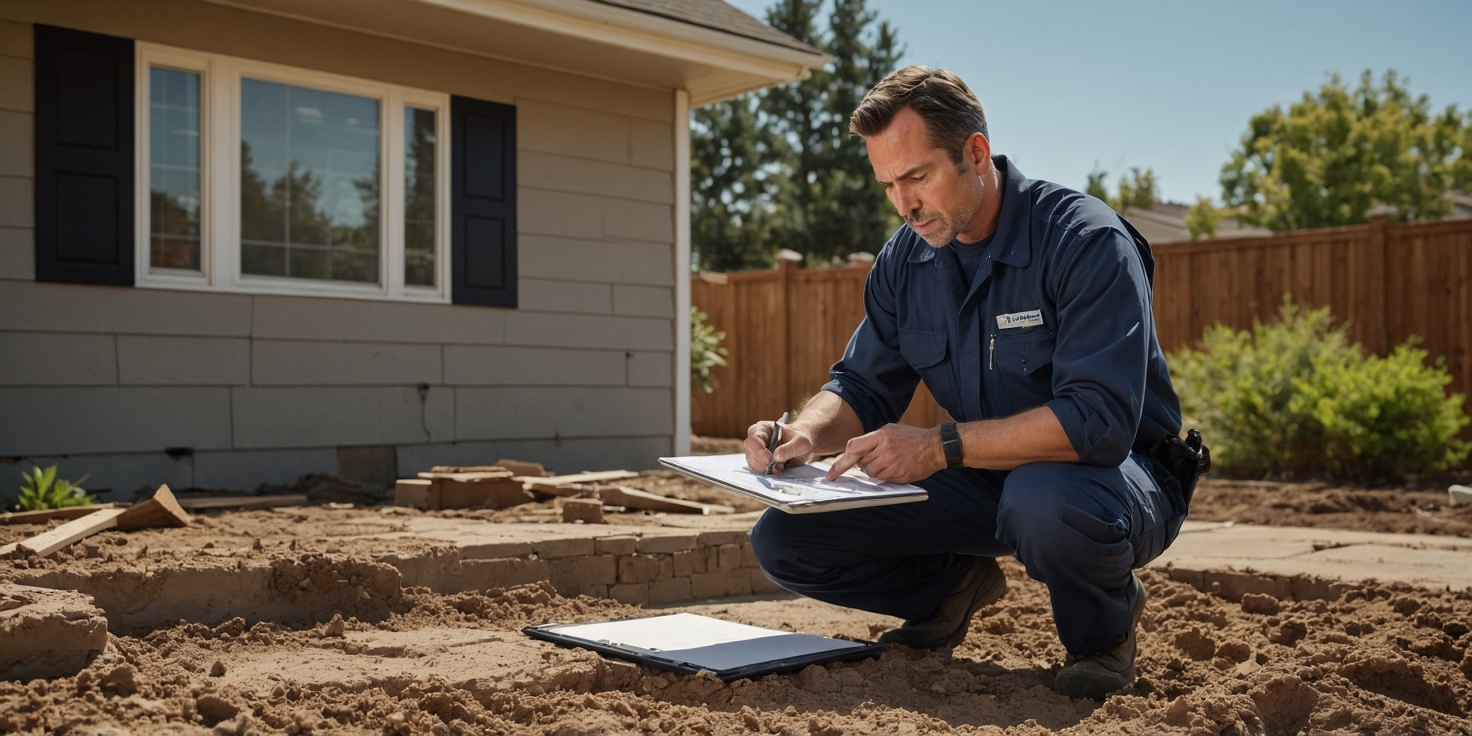
Soil shifting is a common yet often overlooked cause of property damage, especially in regions like South Florida where fluctuating moisture levels and unstable ground conditions can lead to serious structural issues. From cracked foundations and uneven flooring to damaged plumbing and compromised walls, the effects of soil movement can be both costly and dangerous. Understanding how to handle property damage from soil shifting is crucial for homeowners and business owners alike. At LMR Public Adjusters, we specialize in helping clients throughout Miami, Fort Lauderdale, West Palm Beach, Naples, Orlando, and Tampa navigate the complexities of insurance claims related to soil shifting and other property damage. With years of experience handling claims for sinkhole damage, foundation issues, and structural instability, our expert team ensures you receive the maximum compensation you deserve. If you’re facing property damage due to shifting soil, don’t navigate the insurance process alone—trust LMR Public Adjusters to advocate for your best interests every step of the way.
Soil shifting is a natural process that can have serious consequences for residential and commercial properties. It occurs when the ground beneath a structure moves due to various environmental factors such as moisture changes, erosion, seismic activity, or poor soil compaction. Recognizing the early signs of soil shifting is crucial for homeowners and property managers to prevent extensive property damage and costly repairs. Understanding these indicators can help you take timely action and protect your investment.
One of the most common and visible signs of soil shifting is the appearance of cracks in the foundation. These cracks may start small but can widen over time, indicating that the foundation is under stress. According to the American Society of Civil Engineers, foundation issues affect approximately 25% of homes in the United States, and soil movement is a leading cause. Cracks can also appear in walls, ceilings, and floors, often in a stair-step pattern or around doors and windows. These structural changes are not just cosmetic; they signal that the integrity of the building may be compromised.
Another telltale sign is uneven or sloping floors. If you notice that furniture is tilting or that you feel off-balance while walking through your home, it could be due to the ground shifting beneath the structure. Doors and windows that suddenly become difficult to open or close are also red flags. This happens because the frames are no longer square due to the movement of the foundation. In some cases, you might even notice gaps between walls and ceilings or floors, which further indicate that the building is settling unevenly.
Exterior signs are equally important. Look for cracks in exterior brickwork, separation between bricks and mortar, or gaps between the house and attached structures like garages or porches. Landscaping changes, such as tilting trees, sinking patios, or uneven sidewalks, can also point to underlying soil movement. Drainage issues, such as water pooling around the foundation, can exacerbate soil shifting by increasing moisture content in the soil, leading to expansion and contraction cycles that stress the foundation.
In commercial properties, the signs may be more subtle but equally damaging. Uneven flooring in office spaces, misaligned door frames, and visible cracks in walls or ceilings can disrupt business operations and pose safety risks. For property managers, regular inspections and maintenance are essential to catch these issues early. If you manage or own a commercial building, consider consulting with a structural engineer or a professional adjuster to assess potential risks.
“Soil movement is responsible for more property damage in the United States than floods, hurricanes, and tornadoes combined,” according to the Insurance Information Institute.
In addition to visual cues, there are other indicators that may suggest soil shifting. Plumbing issues, such as frequent leaks or unexplained increases in water bills, can result from pipes being displaced by shifting soil. Similarly, electrical wiring may become strained or damaged, leading to flickering lights or power outages. These hidden damages can be just as costly and dangerous as visible structural issues.
To help you identify the signs of soil shifting and property damage, consider the following examples:
If you observe any of these signs, it’s essential to act quickly. Ignoring them can lead to more severe damage and higher repair costs. Engaging a professional public adjuster can help you assess the extent of the damage and navigate the insurance claims process effectively. At LMR Public Adjusters, we specialize in helping property owners understand and manage the complexities of property damage caused by soil shifting. Learn more about our team and expertise to see how we can assist you.
It’s also beneficial to educate yourself about the types of property claims that may arise from soil shifting. These can include structural damage, plumbing damage, and even mold growth due to increased moisture levels. Visit our page on property claims to explore the different scenarios and how to handle them.
Preventative measures can also play a significant role in mitigating the effects of soil shifting. Proper drainage systems, regular property inspections, and soil stabilization techniques can help maintain the integrity of your property. In areas prone to soil movement, such as regions with expansive clay soils or high rainfall, these measures are especially critical.
For more information and expert advice, you can refer to the following resources:
Understanding the early signs of soil shifting and property damage is the first step in protecting your home or business. By staying vigilant and seeking professional help when needed, you can minimize the impact of soil movement and maintain the safety and value of your property.
Repairing and preventing future soil-related issues begins with a comprehensive assessment of the damage already caused by soil shifting. This typically involves hiring a structural engineer or foundation specialist to evaluate the extent of the damage to your property. Cracks in walls, uneven floors, and misaligned doors or windows are common indicators of soil movement. Once the problem areas are identified, the next step is to stabilize the foundation. This can be achieved through methods such as underpinning, which involves strengthening the foundation by extending it to more stable soil layers, or using helical piers and steel push piers to support and lift the structure. In some cases, slabjacking may be used to fill voids beneath the foundation with a grout mixture, effectively leveling the structure.
After the immediate repairs are completed, it’s crucial to address the root causes of soil shifting to prevent recurrence. Poor drainage is one of the leading contributors to soil instability. Ensuring that your property has proper grading to direct water away from the foundation is essential. Installing or repairing gutters, downspouts, and French drains can significantly improve water management. Additionally, landscaping should be designed to avoid excessive watering near the foundation, and trees or large shrubs should be planted at a safe distance to prevent root intrusion and moisture imbalance.
Soil composition also plays a significant role in its stability. Expansive clay soils, for example, swell when wet and shrink when dry, leading to movement that can damage structures. In such cases, soil stabilization techniques like chemical injection or replacing problematic soil with more stable material may be necessary. Regular monitoring of soil moisture levels and using soaker hoses during dry periods can help maintain consistent moisture content, reducing the risk of soil movement.
Homeowners should also consider installing moisture barriers or root barriers to further protect the foundation. These barriers can prevent water infiltration and root growth that might otherwise compromise the soil’s integrity. In areas prone to heavy rainfall or drought, investing in a foundation watering system can help maintain a balanced moisture level around the home.
Preventive maintenance is key to long-term protection. Conduct regular inspections of your property, especially after extreme weather events. Look for early signs of soil movement, such as minor cracks or changes in door alignment, and address them promptly. Keeping detailed records of repairs and inspections can also be helpful when filing property claims or working with insurance adjusters.
For commercial property owners, the stakes are even higher due to the scale and complexity of the structures involved. It’s advisable to work with professionals who specialize in soil-related damage and understand the unique challenges of commercial properties. Implementing a proactive maintenance plan and investing in soil testing before construction can save significant costs and prevent future disruptions.
If you’re unsure about the best course of action, consulting with a public adjuster can provide valuable guidance. They can help you navigate the insurance process, assess the damage accurately, and ensure you receive fair compensation. For more information about how public adjusters can assist with soil-related property damage, visit our about us page or explore our FAQ section to find answers to common questions.
Ultimately, addressing soil shifting issues requires a combination of immediate repair, long-term prevention, and ongoing vigilance. By taking these steps, property owners can protect their investments, ensure structural safety, and minimize the risk of future damage caused by unstable soil conditions.
In conclusion, dealing with property damage caused by soil shifting can be challenging, but with the right knowledge and proactive steps, it is manageable. Early detection, regular maintenance, and consulting with professionals are key to minimizing long-term damage and preserving your property’s value. Whether it’s reinforcing your foundation, improving drainage, or investing in soil stabilization, taking action sooner rather than later can save you time, stress, and money. By staying informed and prepared, you can protect your home from the unpredictable effects of shifting soil and ensure its stability for years to come.
Dania Beach, Broward County, Davie, Weston, Boca Raton, Cooper City, Coral Springs, Deerfield Beach, Fort Lauderdale, Hollywood, Parkland, Pembroke Pines, Pinecrest, Plantation, Pompano Beach, Sunrise, Fisher Island, Miramar, Delray Beach, Hallandale Beach , Lake Worth, Boynton