

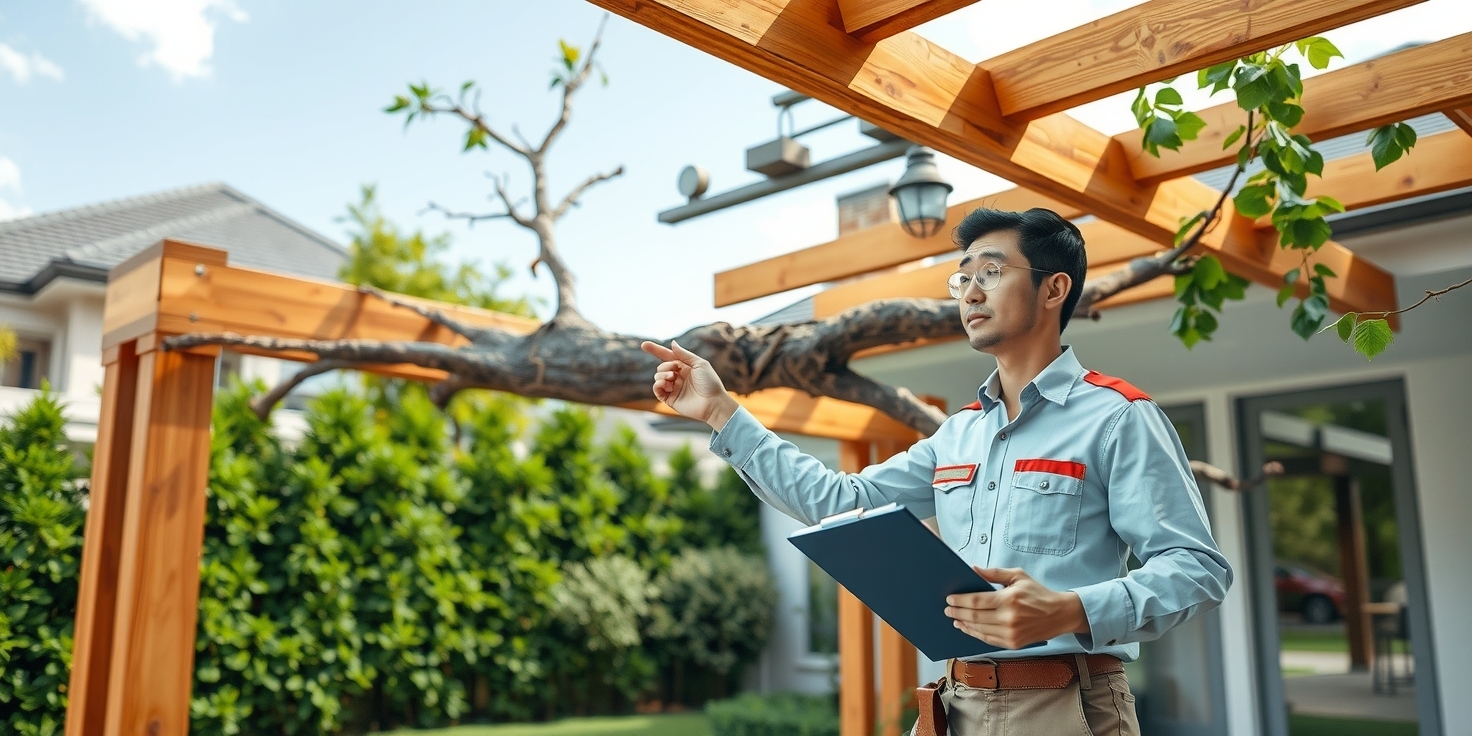
Imagine waking up to the sound of cracking wood and discovering that a tree has crashed onto your beautiful pergola. It’s a jarring sight, and your first instinct might be to panic. But take a deep breath—this is the time to act smartly and safely. The first step is to assess the damage, but safety should always come first.
Before you even step outside, make sure the area is safe. Look out for downed power lines, hanging branches, or unstable structures. If there’s any risk of electrical hazards or further collapse, call emergency services immediately. Once it’s safe, take a closer look at the damage. Is the pergola partially crushed? Are there broken beams or splintered wood? Take detailed photos from multiple angles. These will be crucial later when filing an insurance claim.
It’s also a good idea to document the tree itself. Was it on your property or a neighbor’s? Was it healthy or clearly rotting? These details can affect liability and how your insurance handles the claim. If you’re unsure about the tree’s origin or condition, consider contacting a certified arborist for a professional opinion.
At this stage, you might be wondering, “Do I need to call my insurance company now?” Not just yet. Before you do that, it’s wise to consult with a public adjuster. LMR Public Adjusters—South Florida’s premier public adjusters—can help you understand your policy and advocate for the maximum payout. Their property claims experts are trained to handle situations just like this.
For more information about how to handle home damage, check out our home damaged resource page. You’ll find helpful tips and guidance tailored to South Florida homeowners dealing with storm-related incidents.
Once you’ve assessed the initial damage, your next priority is to prevent things from getting worse. Think of it like putting a bandage on a wound before you get to the doctor. You’re not fixing the problem entirely, but you’re stopping it from escalating.
Start by removing any loose debris that could pose a hazard. If branches are hanging precariously or parts of the pergola are dangling, secure them if it’s safe to do so. Use tarps to cover exposed areas and protect them from rain or sun damage. This is especially important in South Florida, where weather can change in a heartbeat.
Don’t attempt major repairs yourself unless you’re experienced. Structural damage can be tricky, and you don’t want to risk injury or make the situation worse. Instead, call in professionals. A licensed contractor can help stabilize the structure, and a tree removal service can safely take care of the fallen tree.
Here’s a pro tip: Keep all receipts and document every action you take. Whether it’s buying a tarp or hiring a contractor, these expenses may be reimbursable through your insurance claim. And speaking of insurance, this is another area where LMR Public Adjusters can help. Their team knows exactly what documentation insurers look for and can guide you through the process.
Don’t forget to check for hidden damage. A fallen tree can cause more than just visible destruction. It might have cracked your patio, damaged underground plumbing, or even affected your home’s foundation. If you suspect water or plumbing issues, explore our pages on water damage and plumbing damage for more insights.
Here’s a little-known secret: before you call your insurance company, it’s often smarter to contact a public adjuster. Why? Because your insurance provider has their own adjusters who work to minimize payouts. A public adjuster, on the other hand, works for you.
LMR Public Adjusters has built a reputation across South Florida for being fierce advocates for property owners. Their personalized, dedicated team knows how to navigate the fine print of insurance policies and ensure you get every dollar you’re entitled to. Whether your pergola was damaged by a storm, wind, or falling tree, they’ve seen it all and know how to handle it.
When you contact LMR, they’ll start with a free inspection. They’ll assess the damage, review your policy, and help you understand your rights. Then, they’ll handle the entire claims process—from paperwork to negotiations—so you don’t have to stress about it. This is especially helpful if you’re dealing with complex issues like wind damage or pipe burst damage that may have occurred alongside the tree impact.
And here’s the kicker: public adjusters often secure significantly higher settlements than homeowners who go it alone. So, while it might seem like an extra step, it’s one that can pay off big time. If you’re in areas like Fort Lauderdale, Hollywood, or Pembroke Pines, LMR has local experts ready to assist.
Filing an insurance claim might seem straightforward, but it’s often more complicated than it appears. One wrong move or missing document can delay your payout—or worse, lead to a denial. That’s why it’s crucial to get it right the first time.
Start by gathering all your documentation. This includes photos, videos, receipts, and any professional assessments you’ve obtained. Then, work with your public adjuster to prepare a detailed claim. They’ll help you write a damage report that aligns with your policy’s language and ensures nothing is overlooked.
Timing is also important. Most insurance policies have strict deadlines for reporting damage. Don’t wait too long, or you might miss your window. Your public adjuster will keep you on track and handle all communications with your insurer, so you don’t have to worry about saying the wrong thing or missing a step.
It’s also worth noting that insurance companies may try to undervalue your claim. They might argue that the pergola was already in poor condition or that the tree fell due to negligence. This is where having a seasoned advocate like LMR Public Adjusters makes all the difference. Their team knows how to counter these tactics and fight for what you deserve.
For more insights into the claims process, check out our blog or visit our FAQ page. You’ll find answers to common questions and tips for maximizing your claim.
Once your claim is approved and you’ve received your settlement, it’s time to rebuild. This is your chance to not only restore your pergola but maybe even upgrade it. Think of it as turning lemons into lemonade.
Start by hiring a reputable contractor who specializes in outdoor structures. Ask for references, check reviews, and make sure they’re licensed and insured. If you’re not sure where to start, your public adjuster may have recommendations based on past clients.
When designing your new pergola, consider using more durable materials. South Florida weather can be brutal, so opt for treated wood, metal, or composite materials that can withstand wind and moisture. You might also want to reinforce the structure or add features like retractable canopies or lighting.
And don’t forget about landscaping. If the fallen tree damaged your yard, this is a great time to refresh your outdoor space. Plant new trees, add a garden, or install a patio. Just make sure to keep new trees a safe distance from your pergola to avoid future mishaps.
Need help navigating post-damage repairs? Visit our commercial properties or location pages to find local resources and contractors in your area. Whether you’re in Parkland, Aventura, or Lake Worth, LMR has connections that can help you rebuild better than before.
Dealing with a tree-damaged pergola can feel overwhelming, but you don’t have to go through it alone. From assessing the damage to filing your insurance claim and rebuilding, each step is manageable with the right guidance. Remember to prioritize safety, document everything, and lean on professionals like LMR Public Adjusters to advocate for your best interests. With their help, you can turn a stressful situation into an opportunity to improve your outdoor space and protect your investment for the future.
First, ensure the area is safe. Look for hazards like downed power lines or unstable structures. Then, document the damage with photos and videos. Avoid making major repairs until you’ve consulted a public adjuster or your insurance company.
In most cases, yes—especially if the tree fell due to a storm or other covered peril. However, coverage can vary, so it’s best to review your policy with a public adjuster like LMR Public Adjusters to understand your specific situation.
A public adjuster works on your behalf to assess damage, prepare documentation, and negotiate with your insurance company. They aim to maximize your payout and ensure you’re treated fairly throughout the process.
It’s not recommended unless you’re trained and equipped to do so safely. Fallen trees can be unpredictable and dangerous. Hire a professional tree removal service to handle it properly and avoid injury or further damage.
It depends on the complexity of the claim and your insurance provider. With the help of a public adjuster, the process can be faster and more efficient. Most claims are resolved within a few weeks to a couple of months.
Dania Beach, Broward County, Davie, Weston, Boca Raton, Cooper City, Coral Springs, Deerfield Beach, Fort Lauderdale, Hollywood, Parkland, Pembroke Pines, Pinecrest, Plantation, Pompano Beach, Sunrise, Fisher Island, Miramar, Delray Beach, Hallandale Beach , Lake Worth, Boynton