
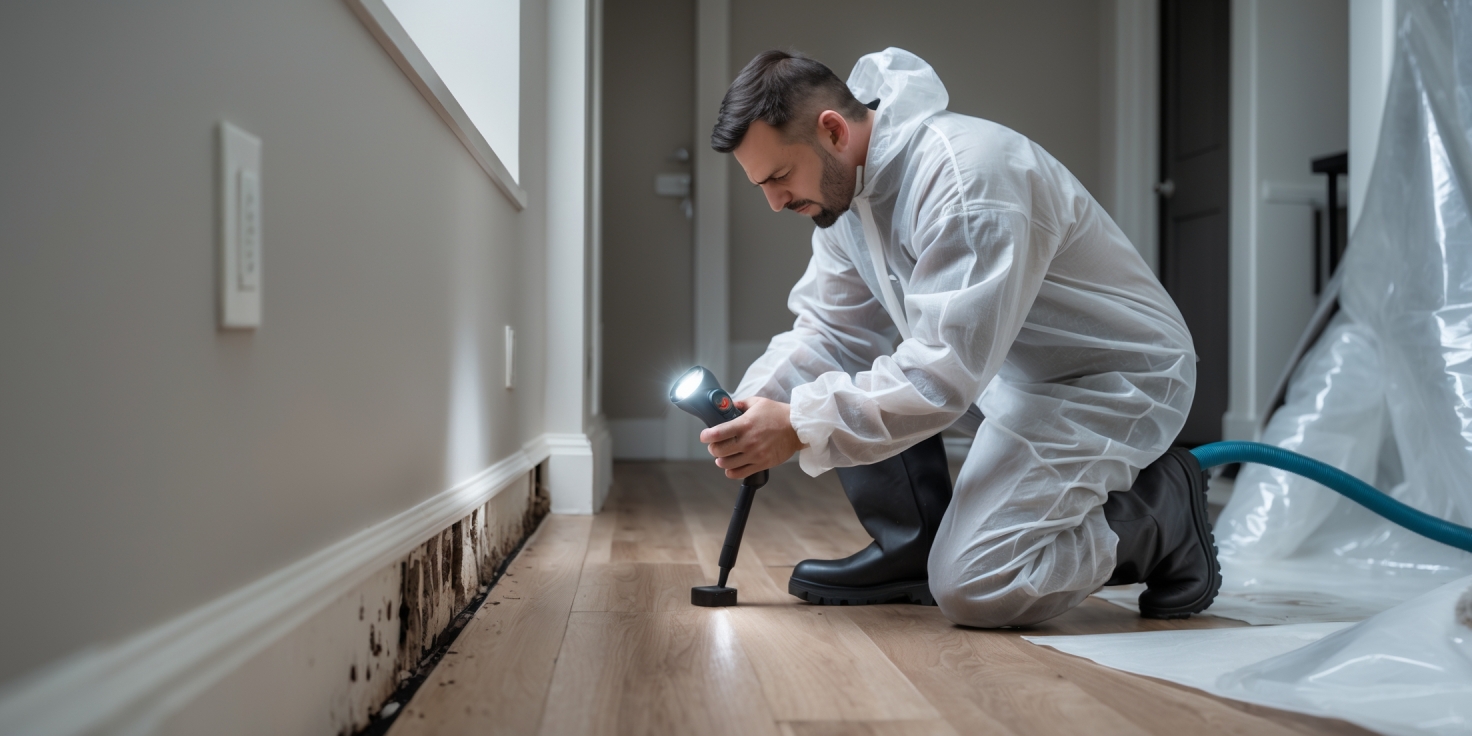
Discovering mold in baseboards can be an alarming experience for any homeowner. Not only is it unsightly, but it can also pose serious health risks and indicate underlying water damage or moisture issues in your home. If you’ve recently found mold in your baseboards, it’s crucial to act quickly and take the right steps to prevent further damage and protect your property. At LMR Public Adjusters – South Florida’s premier public adjusters – we understand how overwhelming property damage can be. Our dedicated team specializes in helping property owners navigate the insurance claims process, ensuring you receive the maximum compensation for mold damage and related issues. Whether you’re dealing with black mold, water intrusion, or structural concerns, knowing what to do after discovering mold in baseboards can make all the difference in restoring your home safely and efficiently.
Identifying the source of moisture is a critical first step after discovering mold in your baseboards. Mold thrives in damp environments, and unless the underlying moisture issue is resolved, mold will likely return even after removal. According to the Environmental Protection Agency (EPA), controlling moisture is the key to preventing mold growth.
Begin by inspecting common sources of indoor moisture. These may include:
“Even small leaks can lead to significant mold problems if left unchecked,” warns the Centers for Disease Control and Prevention (CDC).
Use moisture meters or thermal imaging tools to detect hidden dampness. If you’re unsure, consider hiring a professional to conduct a thorough inspection. Addressing the root cause not only prevents further mold growth but also protects your property from long-term structural damage.
For more guidance on handling mold and moisture issues, visit our detailed section on mold damage. If your property has suffered from water-related issues, our experts in water damage claims can help you navigate the insurance process.
To learn more about how we assist homeowners and businesses, check out our About Us page or browse our helpful FAQ section.
For further reading, the EPA offers a comprehensive guide on mold and moisture: https://www.epa.gov/mold/mold-guide.
Once you discover mold in your baseboards, the next crucial step is to determine how far the damage has spread. Mold can often be more extensive than it appears on the surface, potentially affecting the drywall, flooring, and even the structural components behind the baseboards. Begin by visually inspecting the surrounding areas for discoloration, musty odors, or signs of moisture. If the mold appears to be widespread or if you suspect hidden growth, it’s wise to consult a professional for a thorough assessment.
Understanding the extent of the damage is essential for deciding whether a simple cleaning will suffice or if more extensive remediation is needed. In some cases, mold may have originated from underlying issues such as plumbing leaks or water intrusion, which must be addressed to prevent recurrence. For more insights into how water issues contribute to mold, visit our page on water damage.
If the mold has impacted multiple rooms or commercial spaces, it may be necessary to file a property claim. Our team specializes in assisting with property claims to ensure you receive fair compensation for mold-related damages. Acting quickly and thoroughly at this stage can save you from more costly repairs in the future and help restore your home or business to a safe, healthy condition.
When dealing with mold in your baseboards, one of the most important first steps is ensuring your personal safety. Mold spores can pose serious health risks, especially when disturbed during cleaning or removal. To protect yourself, always wear appropriate safety gear, including gloves, goggles, and an N95 respirator mask. These items help prevent direct contact with mold and reduce the risk of inhaling harmful spores.
Before beginning any cleanup, make sure the area is well-ventilated. Open windows and use fans to circulate air, but avoid spreading spores to other parts of your home. If the mold infestation is extensive or if you have underlying health conditions, it’s best to consult a professional.
Understanding the type of mold and the extent of the damage is crucial. Some molds can be toxic and require specialized handling. For more information on how to handle such situations, visit our detailed section on mold damage. If the mold is a result of a leak or flooding, you may also want to explore our resources on water damage to understand the root cause and prevent future issues.
Taking the right precautions not only protects your health but also ensures a more effective and safe mold remediation process. Always prioritize safety before attempting any mold removal tasks.
Once mold has been identified in your baseboards, the next crucial step is to carefully remove and dispose of the affected materials. Mold can spread quickly, so it’s essential to act promptly and safely. Begin by wearing protective gear such as gloves, a mask, and goggles to avoid direct contact with mold spores. Use a utility knife or pry bar to gently detach the baseboards from the wall, taking care not to damage surrounding areas or release spores into the air.
Place the contaminated baseboards in heavy-duty plastic bags and seal them tightly before disposal. Avoid dragging them through the house to prevent cross-contamination. After removal, thoroughly clean the exposed wall and floor areas with a mold-killing solution. If the mold has penetrated deeper into the wall or flooring, professional remediation may be necessary.
Proper disposal and cleaning are vital to prevent mold from returning. If you’re unsure about the extent of the damage or how to proceed, consider consulting with experts who specialize in mold damage and property restoration. They can help assess the situation and guide you through the claims process if needed.
For more information on how to protect your home and handle similar issues, visit our blog page or explore our services for home-damaged properties. Taking swift and informed action can save you time, money, and stress in the long run.
Once mold has been identified in your baseboards, it’s crucial to take immediate action to prevent further damage and protect your health. After removing the affected materials, the next essential step is to clean and disinfect the area thoroughly. Mold spores can linger on surfaces and in the air, so using a high-quality disinfectant specifically designed to kill mold is vital. Start by scrubbing the exposed area with a mold-killing solution, such as a mixture of water and bleach or a commercial mold remover. Be sure to wear protective gear, including gloves and a mask, to avoid exposure.
After cleaning, allow the area to dry completely, as moisture can lead to mold regrowth. Use fans or dehumidifiers to speed up the drying process. It’s also important to inspect nearby areas for signs of hidden moisture or mold, especially if the mold was caused by a leak or flood. If you’re unsure about the extent of the damage, consider consulting professionals who specialize in mold damage to ensure the problem is fully resolved.
For homeowners dealing with recurring mold issues, understanding your insurance coverage is key. Visit our property claims page to learn how to file a claim for mold-related damages. Taking these steps not only restores your home’s safety but also helps prevent future outbreaks.
Once mold is discovered in your baseboards, it’s crucial to address the root cause—excess moisture. Simply removing the mold without fixing the underlying moisture issue will likely lead to recurring problems. Start by identifying the source of the moisture, which could be due to plumbing leaks, high humidity, or poor ventilation. Inspect nearby pipes, windows, and walls for signs of water intrusion or condensation. If a leak is found, it must be repaired immediately to prevent further damage.
In many cases, moisture issues stem from hidden plumbing problems. Hiring a professional to assess potential plumbing damage can help ensure that all sources of water are properly addressed. Additionally, consider using a dehumidifier to maintain optimal indoor humidity levels, especially in areas prone to dampness.
If the moisture problem is linked to a recent incident, such as a burst pipe or flood, you may be eligible to file a property claim to cover repair costs. Consulting with a public adjuster can help you navigate the claims process and maximize your compensation.
Preventing future mold growth requires ongoing vigilance. Regularly inspect your home for signs of water damage and ensure proper ventilation in high-moisture areas like bathrooms and kitchens. For more tips and expert advice, visit our blog.
To ensure mold doesn’t return after removal, it’s essential to address the root causes and take proactive steps to prevent future growth. Mold thrives in damp, poorly ventilated areas, so controlling moisture is key. Start by identifying and repairing any leaks in pipes, roofs, or windows. Use a dehumidifier in areas prone to humidity, especially in basements or bathrooms, to maintain indoor humidity levels below 60%.
Proper ventilation is another critical factor. Ensure that exhaust fans in kitchens and bathrooms are functioning correctly and vented outside. Regularly inspect your HVAC system and replace filters to improve air circulation. If your home has experienced water damage in the past, it’s wise to have a professional inspection to ensure all moisture has been thoroughly removed. Learn more about dealing with water damage and its long-term effects.
Additionally, consider using mold-resistant materials when repairing or renovating affected areas. Mold-resistant drywall and paint can offer added protection in moisture-prone spaces. For property owners managing larger buildings, such as offices or rental units, it’s crucial to implement a routine maintenance plan. Visit our page on commercial properties to understand how to safeguard your investment.
By taking these preventive measures, you can significantly reduce the risk of mold returning and protect your home or business from future damage.
In conclusion, discovering mold in your baseboards can be unsettling, but taking prompt and informed action can prevent further damage and protect your health. Start by identifying the extent of the mold, addressing the source of moisture, and thoroughly cleaning or replacing affected materials. Whether you choose to tackle the issue yourself or hire a professional, the key is to act quickly and ensure the area is properly dried and treated to prevent future growth. Regular maintenance and vigilance can go a long way in keeping your home safe and mold-free.
Dania Beach, Broward County, Davie, Weston, Boca Raton, Cooper City, Coral Springs, Deerfield Beach, Fort Lauderdale, Hollywood, Parkland, Pembroke Pines, Pinecrest, Plantation, Pompano Beach, Sunrise, Fisher Island, Miramar, Delray Beach, Hallandale Beach , Lake Worth, Boynton