
Storms don’t knock—they barge in, wreak havoc, and leave behind a trail of destruction. But here’s the kicker: not all storm damage is obvious. Some of it hides in plain sight, quietly worsening over time. That’s why storm damage detection is your first line of defense. In this comprehensive guide, we’ll walk you through the ins and outs of identifying storm damage early, saving you from costly repairs and insurance headaches down the road.
And if you’re in South Florida, you’re in luck. LMR Public Adjusters—South Florida’s premier public adjusters—are here to advocate for you. With a personalized, dedicated team, they help property owners like you maximize insurance claims and get back on their feet faster.
Let’s face it—storms are unpredictable. One minute it’s a light drizzle, and the next, your roof’s doing the cha-cha with 70 mph winds. That’s why storm damage detection isn’t just a precaution—it’s a necessity. Catching damage early can mean the difference between a quick fix and a full-blown renovation.
Whether you’re dealing with wind damage, water intrusion, or structural issues, early detection helps you:
And remember, LMR Public Adjusters are just a call away to help you navigate the claims process like a pro.
After the storm passes, don’t just breathe a sigh of relief—get out there and inspect. Start with a walk-around. Look for:
These are the red flags that tell you something’s not right. If you spot any of these, it’s time to dig deeper—or better yet, call in the pros at LMR Public Adjusters.
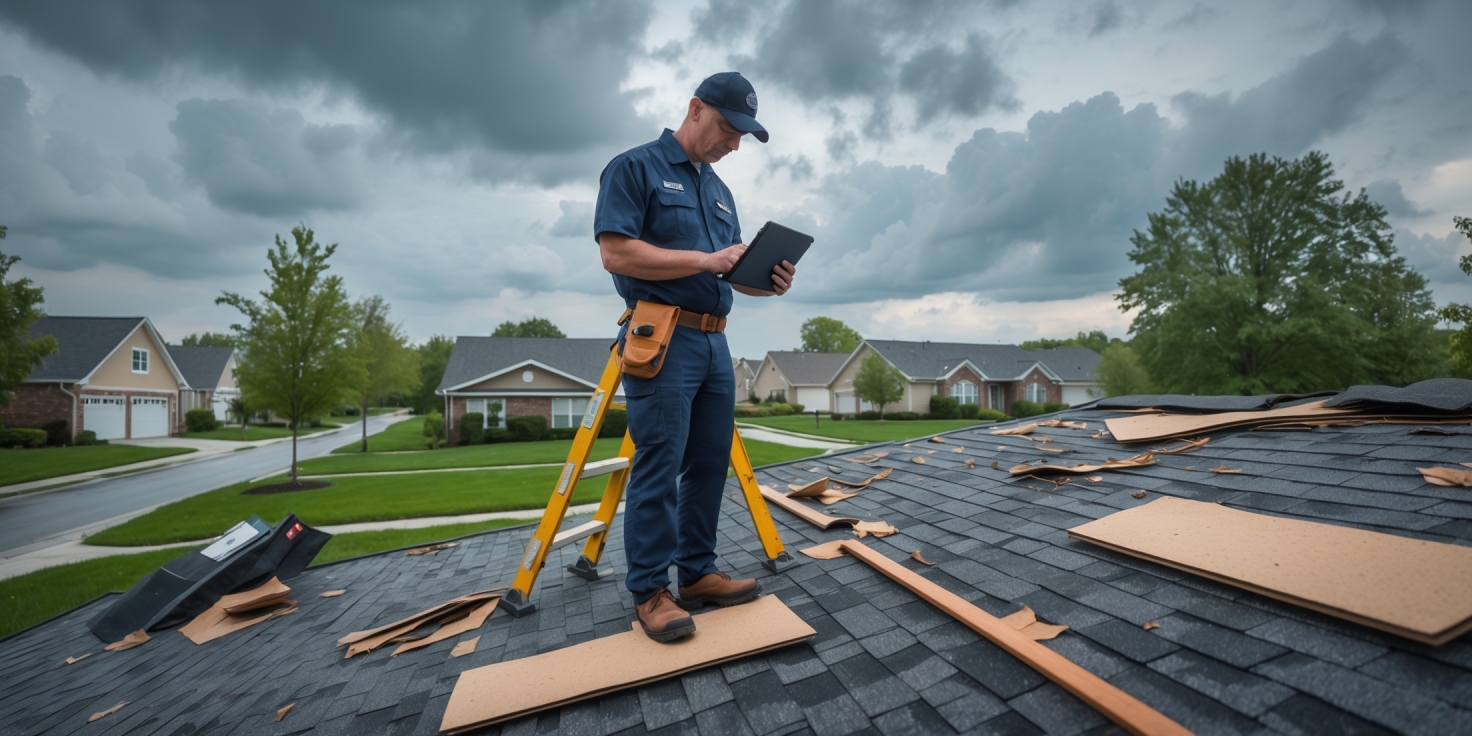
Your roof takes the brunt of the storm’s fury. Even if it looks okay from the ground, hidden damage can lead to leaks, mold, and structural issues. Use binoculars or a drone to inspect:
Don’t want to climb up there? No problem. LMR Public Adjusters can connect you with trusted inspectors who’ll do the dirty work for you.
Gutters might seem minor, but they play a huge role in storm damage detection. If they’re clogged or broken, water can back up and seep into your home’s foundation or walls. Check for:
Fixing these early can save you from a world of hurt later. And if water damage has already set in, check out our water damage services for help.
Windows and doors are vulnerable points during a storm. Look for:
Even minor damage can compromise your home’s insulation and security. Don’t ignore it—document everything and contact LMR Public Adjusters to help with your claim.
Sometimes, the real damage is inside. After a storm, check your ceilings, walls, and floors for:
These signs often point to hidden leaks or structural issues. If you notice any of these, don’t wait—visit our mold damage page to learn how we can help.
Out of sight, out of mind? Not when it comes to storm damage detection. Your attic can reveal:
These are telltale signs of roof leaks. If you find them, it’s time to call in the experts at LMR Public Adjusters.
Stormwater can seep into your foundation, causing cracks and instability. Look for:
These issues can escalate quickly. Don’t wait—check out our plumbing damage services for more info.
Fallen branches, uprooted trees, and soil erosion can all indicate storm damage. Check for:
These signs can point to underground damage or future risks. Document everything for your insurance claim.
Storms can damage your HVAC system, especially if it’s located outside. Check for:
If your system’s acting up, it could be storm-related. Don’t forget to include it in your insurance claim with help from LMR Public Adjusters.
Water and electricity don’t mix. After a storm, check for:
These are serious hazards. If you suspect electrical damage, call a licensed electrician and document everything for your claim.
Storms can cause pressure changes or debris buildup in your plumbing. Watch for:
These signs could mean a pipe burst or blockage. Visit our pipe burst damage page for more details.
Mold thrives in damp, dark places—exactly what a storm leaves behind. Look for:
If you suspect mold, act fast. Our mold damage experts can help you file a claim and get remediation started.
Storm damage detection is the process of identifying visible and hidden damage to your property after a storm. It includes inspecting roofs, windows, siding, plumbing, and more to catch issues early before they worsen.
Immediately. The sooner you inspect, the better your chances of catching damage early and filing a successful insurance claim.
Yes, but for a thorough inspection—especially for hidden damage—it’s best to consult professionals like LMR Public Adjusters.
Document everything with photos and videos, then contact your insurance company. Better yet, let LMR Public Adjusters handle the claim process for you.
It depends on your policy. That’s why having a public adjuster like LMR on your side can make all the difference in maximizing your claim.
LMR Public Adjusters advocate for property owners, ensuring you get the full compensation you deserve. They handle inspections, documentation, and negotiations with your insurer.
Storms are inevitable—but being unprepared doesn’t have to be. With proper storm damage detection, you can protect your home, your wallet, and your peace of mind. And if you’re in South Florida, let LMR Public Adjusters be your first call after the storm. They’re not just experts—they’re your advocates.
Need help now? Visit our contact page or check out our blog for more tips on protecting your property.
Stay safe, stay smart, and remember—early detection is your best protection.
Dania Beach, Broward County, Davie, Weston, Boca Raton, Cooper City, Coral Springs, Deerfield Beach, Fort Lauderdale, Hollywood, Parkland, Pembroke Pines, Pinecrest, Plantation, Pompano Beach, Sunrise, Fisher Island, Miramar, Delray Beach, Hallandale Beach , Lake Worth, Boynton