
Discovering mold in your HVAC ducts can be alarming, especially when it poses serious health risks and potential property damage. Mold in HVAC systems is more common than many homeowners and business owners realize, particularly in humid regions like South Florida. If you’ve noticed a musty odor, increased allergy symptoms, or visible mold growth around your vents, it’s crucial to take immediate action. At LMR Public Adjusters, we understand how overwhelming it can be to deal with mold damage, especially when it affects your indoor air quality and overall comfort. As a trusted provider of public adjusting services across Florida—including Miami, Fort Lauderdale, West Palm Beach, Naples, Orlando, and Tampa—we specialize in helping property owners navigate the insurance claims process for mold damage and other property-related issues. Our experienced team is here to guide you through every step, from identifying the source of the mold to filing a comprehensive insurance claim. Whether you’re dealing with mold in HVAC ducts, water damage, or plumbing issues, LMR Public Adjusters is committed to securing the maximum compensation you deserve.
Mold growth in HVAC systems is a serious concern that can compromise indoor air quality, reduce system efficiency, and pose health risks to occupants. Identifying the early signs of mold in your HVAC ducts is crucial for preventing widespread contamination and costly repairs. Mold thrives in dark, moist environments, making HVAC systems an ideal breeding ground, especially in humid climates or in homes that have experienced water damage. Recognizing the warning signs early can help you take swift action to mitigate the issue before it escalates.
One of the most common indicators of mold in your HVAC system is a persistent musty or mildew-like odor, particularly when the system is running. This smell often intensifies when the air conditioning or heating is turned on, as the airflow distributes mold spores throughout your home. According to the Environmental Protection Agency (EPA), indoor air can be two to five times more polluted than outdoor air, and mold is a major contributor to this pollution. If you notice an unusual odor that doesn’t go away with regular cleaning, it may be time to inspect your HVAC system for mold.
Another telltale sign is visible mold growth around air vents, drip pans, or inside ductwork. Mold can appear as black, green, or white patches and may be accompanied by discoloration or staining on walls and ceilings near vents. In some cases, condensation around the HVAC unit or ducts can create the perfect environment for mold to flourish. If you spot any unusual growth or moisture accumulation, it’s essential to investigate further.
Health symptoms among household members can also point to mold contamination in your HVAC system. Mold exposure can trigger allergic reactions, respiratory issues, and other health problems, especially in individuals with asthma, allergies, or compromised immune systems. Common symptoms include sneezing, coughing, nasal congestion, itchy eyes, and skin irritation. If these symptoms worsen when the HVAC system is in use, mold may be the culprit.
Increased dust levels and poor airflow can also signal mold presence. Mold can clog filters and ducts, reducing the efficiency of your HVAC system and causing it to work harder to maintain desired temperatures. This not only leads to higher energy bills but also increases wear and tear on the system. Regular maintenance and filter changes are essential, but if problems persist, a professional inspection may be necessary.
Here are some practical examples and signs to look out for:
“According to the Centers for Disease Control and Prevention (CDC), mold can cause a variety of health effects, or none at all. Some people are sensitive to molds. For these people, exposure to molds can lead to symptoms such as stuffy nose, wheezing, and red or itchy eyes, or skin.” — CDC
If you suspect mold in your HVAC system, it’s important to act quickly. Ignoring the problem can lead to more extensive contamination and potential damage to your home’s structure. Mold spores can spread rapidly through the ductwork, affecting multiple areas of your home and making remediation more difficult and expensive.
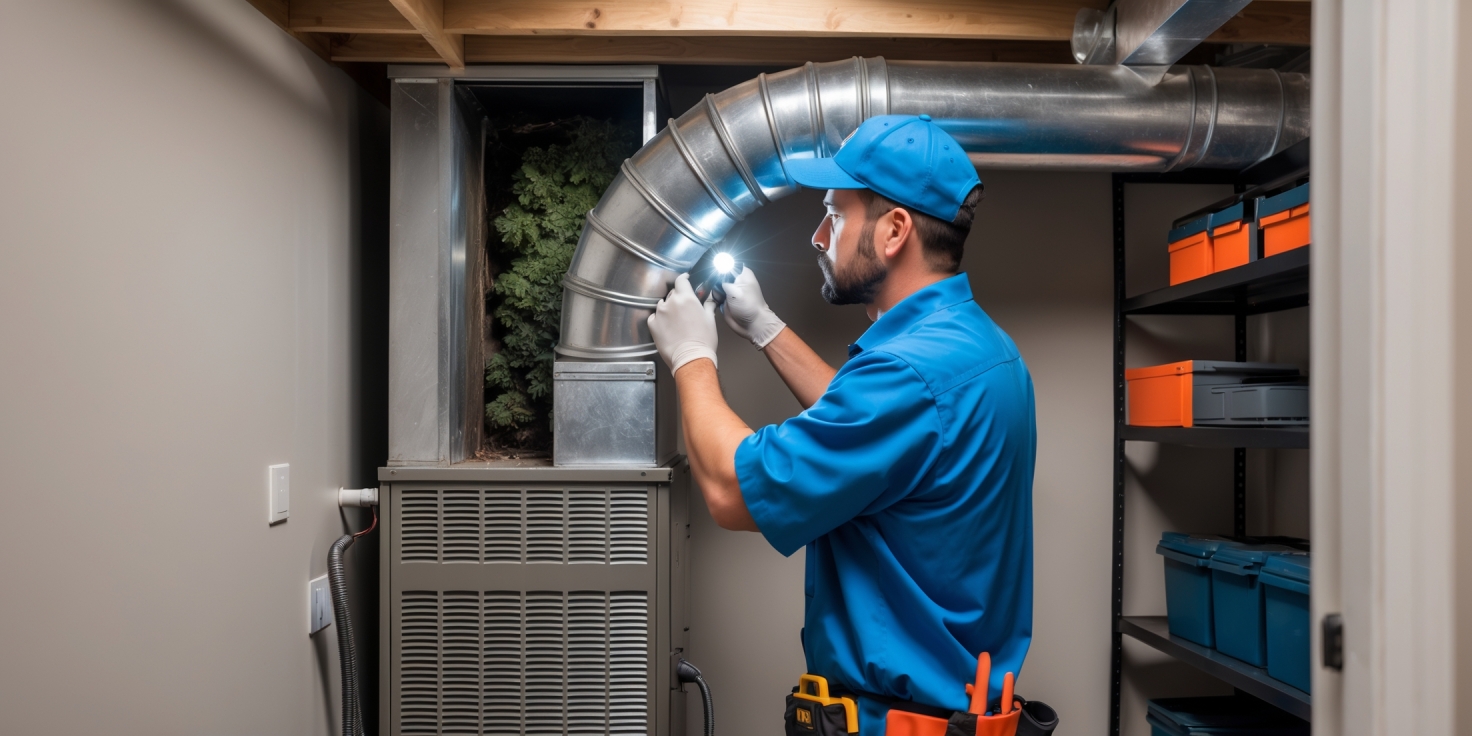
To confirm the presence of mold, consider hiring a certified HVAC technician or mold remediation specialist. These professionals can conduct a thorough inspection, including air quality testing and moisture assessments, to determine the extent of the problem. They can also recommend appropriate remediation strategies to eliminate mold and prevent future growth.
For homeowners dealing with mold issues, understanding your insurance coverage is also essential. Many policies cover mold damage resulting from sudden and accidental incidents, such as a burst pipe or roof leak. However, coverage may be limited or excluded if the mold is due to neglect or long-term moisture problems. To navigate the claims process effectively, consider consulting with experienced property claims professionals who can help you understand your rights and maximize your settlement.
In addition to professional help, staying informed about mold prevention and maintenance can go a long way in protecting your home. Regular HVAC inspections, prompt repairs of leaks, and maintaining proper humidity levels can significantly reduce the risk of mold growth. The U.S. Department of Energy recommends keeping indoor humidity levels below 60 percent, ideally between 30 and 50 percent, to prevent mold and mildew.
For more information on how to protect your home from mold and other types of damage, visit our blog page. You can also learn more about our team and services by visiting our about us page.
By staying vigilant and proactive, you can identify the signs of mold in your HVAC system early and take the necessary steps to ensure a safe and healthy living environment. Whether you’re dealing with a minor issue or a more serious infestation, addressing mold promptly can save you time, money, and stress in the long run.
For further reading and resources, consider the following:
Once mold is discovered in your HVAC ducts, it is critical to act swiftly and methodically to ensure the safety of your home and health. Mold spores can easily spread through the air system, contaminating indoor air quality and potentially causing respiratory issues, allergies, and other health problems. The first step in safely removing mold from HVAC ducts is to turn off the heating or cooling system to prevent further circulation of mold spores. Next, assess the extent of the contamination. If the mold growth is widespread or if you have health concerns, it is highly recommended to hire a certified mold remediation professional who has experience dealing with HVAC systems. These professionals use specialized equipment such as HEPA vacuums and antimicrobial treatments to thoroughly clean and disinfect the ductwork.
Before beginning any cleaning process, ensure that the area is properly ventilated and that you are wearing protective gear, including gloves, goggles, and an N95 respirator mask. If you choose to handle minor mold issues yourself, use EPA-approved mold removal products or a mixture of detergent and water to scrub away visible mold from accessible duct surfaces. Avoid using bleach, as it can be corrosive and may not be effective on porous materials. After cleaning, it is essential to dry the ducts completely to prevent mold from returning. Dehumidifiers and fans can help speed up the drying process.
To prevent future mold growth, address the root cause of the moisture problem. Mold thrives in damp environments, so controlling humidity levels is key. Ensure that your HVAC system is functioning properly and that there are no leaks or condensation issues within the ducts. Regular maintenance, including changing air filters and scheduling professional inspections, can help keep your system clean and dry. Installing a UV light system within the HVAC unit can also inhibit mold growth by sterilizing the air as it passes through.
Additionally, consider having your home evaluated for other potential sources of moisture, such as roof leaks, plumbing issues, or poor insulation. If your property has experienced water damage in the past, it is crucial to ensure that all affected areas were thoroughly dried and treated. For more information on how to handle such situations, visit our page on water damage claims. If you are unsure about the extent of the mold problem or how to proceed, consulting with a public adjuster can help you understand your insurance coverage and guide you through the claims process. Learn more about our services for property claims and how we can assist in recovering from mold-related damages.
Preventative measures also include sealing and insulating ducts to reduce condensation, using a programmable thermostat to maintain consistent indoor temperatures, and ensuring that your home has adequate ventilation, especially in high-moisture areas like bathrooms, kitchens, and basements. By taking these proactive steps, you can significantly reduce the risk of mold returning and maintain a healthier indoor environment for you and your family.
In conclusion, discovering mold in your HVAC ducts is a serious issue that should not be ignored. Prompt action is essential to protect your indoor air quality, safeguard your health, and prevent further damage to your HVAC system. Start by turning off your system to stop the spread of spores, then consult a certified professional to assess and remediate the problem safely and effectively. After cleanup, take preventive measures such as regular maintenance, using high-quality filters, and controlling indoor humidity to reduce the risk of future mold growth. By staying proactive, you can ensure a healthier and more comfortable living environment for you and your family.
Dania Beach, Broward County, Davie, Weston, Boca Raton, Cooper City, Coral Springs, Deerfield Beach, Fort Lauderdale, Hollywood, Parkland, Pembroke Pines, Pinecrest, Plantation, Pompano Beach, Sunrise, Fisher Island, Miramar, Delray Beach, Hallandale Beach , Lake Worth, Boynton