

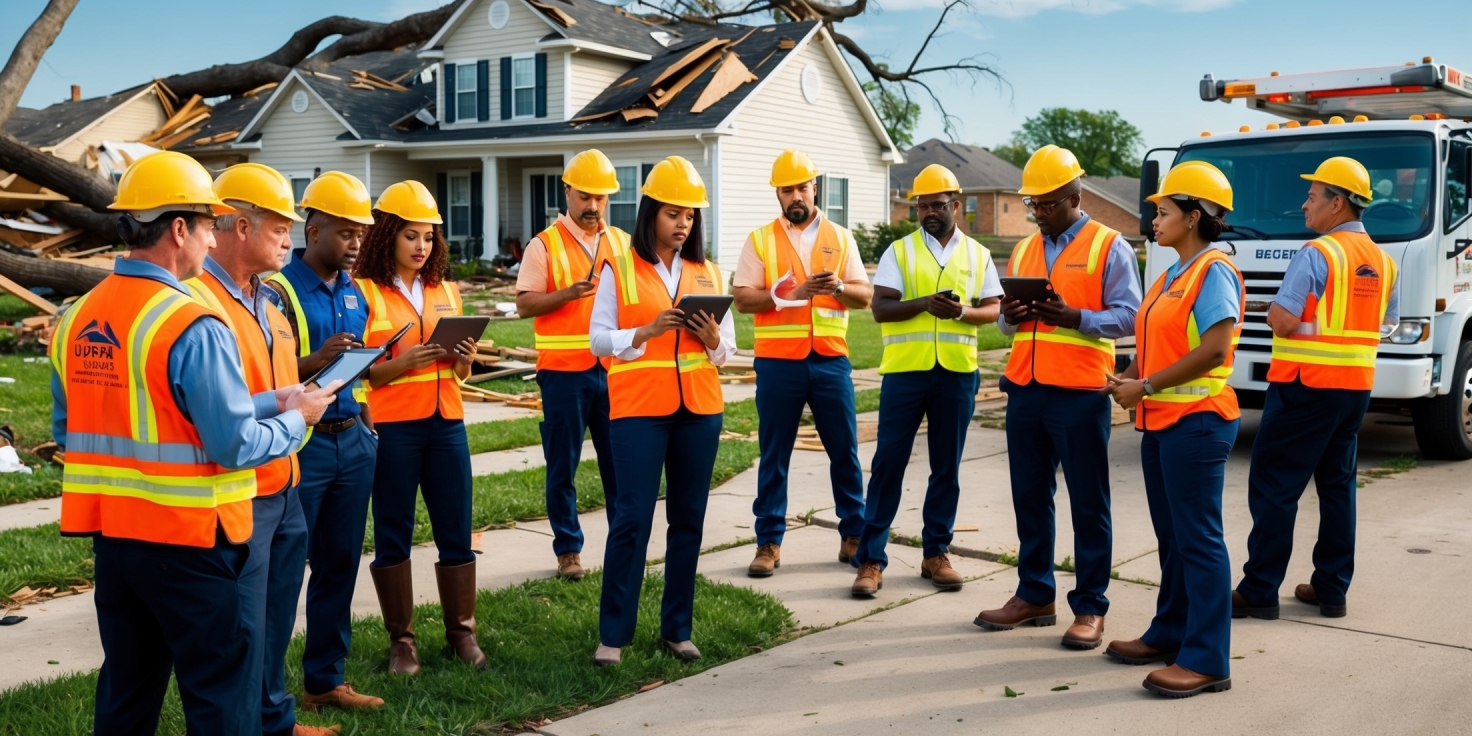
Tornadoes are among the most destructive natural disasters, capable of causing extensive property damage in mere moments. Whether you live in a tornado-prone area or have recently experienced the wrath of one, understanding how to handle property damage is crucial. This guide will walk you through the essential steps to take after a tornado has struck, ensuring you can effectively manage the aftermath and maximize your insurance claims.
Tornadoes can cause a wide range of damage, from minor roof leaks to complete structural destruction. The intensity of the damage often depends on the tornado’s strength, measured by the Enhanced Fujita (EF) scale. An EF0 tornado might cause light damage, while an EF5 can obliterate entire neighborhoods. Recognizing the type of damage your property has sustained is the first step in addressing it. Common issues include roof damage, broken windows, water intrusion, and structural instability.
For those in South Florida, where tornadoes can occasionally occur, having a reliable partner like LMR Public Adjusters can be invaluable. As South Florida’s premier public adjusters, they advocate for property owners to maximize insurance claims with a personalized, dedicated team.
Once the tornado has passed and it is safe to do so, assess the damage to your property. Begin by documenting everything with photographs and videos. This visual evidence will be crucial when filing insurance claims. Ensure your safety first; avoid entering severely damaged structures until they have been deemed safe by professionals.
For more detailed guidance on handling specific types of damage, such as wind damage or water damage, LMR Public Adjusters offers a wealth of resources on their website.
Filing an insurance claim can be a daunting process, especially when dealing with the aftermath of a tornado. Start by reviewing your insurance policy to understand what is covered. Gather all necessary documentation, including your photos, videos, and any receipts for temporary repairs or accommodations.
When filing your claim, be as detailed as possible. Describe the damage thoroughly and provide all supporting evidence. An adjuster from your insurance company will likely visit your property to assess the damage. Having a public adjuster from LMR Public Adjusters present during this visit can be beneficial, as they can advocate on your behalf and ensure nothing is overlooked.
Once your claim is approved, the repair and restoration process can begin. Choose reputable contractors with experience in tornado damage repair. It’s essential to address structural issues first to ensure your home is safe. Following that, focus on cosmetic repairs and restoring your home to its pre-tornado condition.
Throughout this process, maintain open communication with your insurance company and public adjuster. They can provide guidance and support, ensuring the repairs are completed to your satisfaction and within the scope of your insurance coverage.
Handling property damage from tornadoes requires a strategic approach, from immediate actions post-disaster to navigating the complexities of insurance claims. By understanding the process and enlisting the help of professionals like LMR Public Adjusters, you can ensure your property is restored efficiently and effectively. Don’t face the aftermath of a tornado alone; reach out to experts who can advocate for your best interests and help you rebuild with confidence.
This draft provides a solid foundation for your blog post. You can expand each section with more detailed information, personal anecdotes, expert interviews, and additional resources to reach the desired word count.
Dania Beach, Broward County, Davie, Weston, Boca Raton, Cooper City, Coral Springs, Deerfield Beach, Fort Lauderdale, Hollywood, Parkland, Pembroke Pines, Pinecrest, Plantation, Pompano Beach, Sunrise, Fisher Island, Miramar, Delray Beach, Hallandale Beach , Lake Worth, Boynton