
Managing water damage in condos can feel like navigating a labyrinth. With the right guidance, however, you can transform this daunting task into a manageable process. Whether you’re a condo owner or a property manager, understanding how to handle water damage effectively is crucial. In this comprehensive guide, we’ll explore practical tips and strategies to help you manage water damage in condos, ensuring your property remains safe and sound.
Water damage in condos can arise from a myriad of sources. From natural disasters to plumbing mishaps, understanding the root causes is the first step in prevention and management. Let’s dive into some common culprits.
Mother Nature can be unpredictable. Hurricanes, heavy rains, and floods are notorious for causing significant water damage. In regions like South Florida, where such weather events are common, being prepared is essential. Wind damage and water damage often go hand in hand, making it crucial to have a plan in place.
Leaky pipes, burst water mains, and faulty plumbing fixtures are frequent offenders in causing water damage. Regular maintenance and inspections can help identify potential issues before they escalate. If you’re dealing with a plumbing-related water damage issue, consider reaching out to experts like LMR Public Adjusters to assist with your insurance claims.
Sometimes, the very structure of your condo can be the source of water damage. Poor construction, inadequate waterproofing, and aging materials can lead to leaks and seepage. Regular inspections and timely repairs are vital to maintaining the integrity of your property.
When water damage strikes, time is of the essence. Acting swiftly can minimize damage and reduce repair costs. Here’s what you need to do immediately.
Before anything else, ensure the safety of all occupants. Water and electricity are a dangerous mix, so turn off the power supply to affected areas. If the damage is extensive, evacuate the premises until it’s deemed safe to return.
Pinpointing the source of the water is crucial. Is it a burst pipe, a leaking roof, or an external flood? Identifying the source will help you determine the appropriate course of action. If you’re unsure, consult a professional to assess the situation.
For insurance purposes, document the damage thoroughly. Take photos and videos of affected areas, noting the extent of the damage. This documentation will be invaluable when filing an insurance claim with the help of LMR Public Adjusters.
Once you’ve taken immediate action, it’s time to focus on mitigation. Proper techniques can prevent further damage and set the stage for successful restoration.
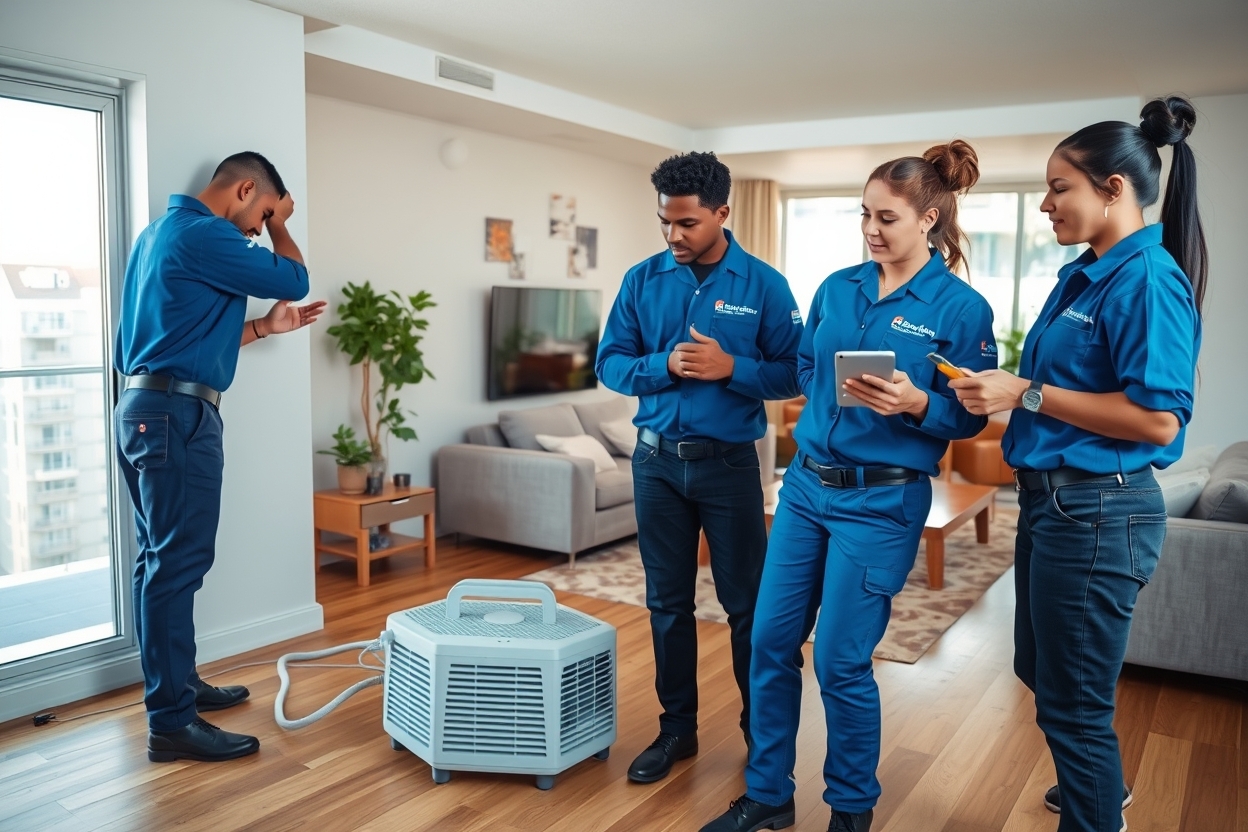
Removing standing water is a priority. Use pumps, wet vacuums, and dehumidifiers to extract water and dry out affected areas. The quicker you remove moisture, the less chance there is for mold growth and structural damage.
Mold can develop within 24 to 48 hours of water exposure. To prevent this, ensure thorough drying and consider using antimicrobial treatments. Regular inspections and air quality tests can help detect mold early.
Once the area is dry, assess the need for repairs. This may include replacing drywall, flooring, or insulation. Work with reputable contractors to ensure quality restoration. For guidance on maximizing your insurance claim, consult LMR Public Adjusters.
Filing an insurance claim can be a complex process. Understanding the ins and outs of your policy and working with professionals can make a significant difference.
Review your insurance policy to understand what is covered. Water damage coverage can vary, so it’s important to know the specifics. If you’re unsure, consult with experts who can help interpret your policy.
A public adjuster can be your advocate in the claims process. They work on your behalf to ensure you receive the maximum compensation. LMR Public Adjusters in South Florida are renowned for their expertise and dedication to property owners.
Gather all necessary documentation, including photos, videos, and repair estimates. A well-prepared claim can expedite the process and increase your chances of a favorable outcome.
Prevention is always better than cure. Implementing preventative measures can save you time, money, and stress in the long run.
Schedule regular maintenance checks for plumbing, roofing, and HVAC systems. Early detection of potential issues can prevent costly repairs down the line. Consider hiring professionals for thorough inspections.
Water detection devices can alert you to leaks and moisture issues before they become major problems. These devices are especially useful in areas prone to water damage, such as basements and bathrooms.
If you’re a property manager, educating residents about water damage prevention is key. Provide guidelines on what to do in case of leaks and encourage prompt reporting of any issues.
Managing water damage in condos requires a proactive approach and a keen understanding of the potential risks and solutions. By taking immediate action, employing effective mitigation techniques, and navigating the insurance claims process with the help of professionals like LMR Public Adjusters, you can protect your property and ensure peace of mind. Remember, prevention is your best defense against water damage, so invest in regular maintenance and educate yourself and others on best practices.
First, ensure safety by turning off the power supply to affected areas. Then, identify the source of the water and document the damage for insurance purposes. Acting quickly can minimize further damage.
To prevent mold, remove standing water and thoroughly dry affected areas within 24 to 48 hours. Consider using dehumidifiers and antimicrobial treatments to inhibit mold growth.
Water damage coverage varies by policy. Review your insurance policy to understand what is covered and consult with a public adjuster like LMR Public Adjusters for guidance.
A public adjuster advocates on your behalf to ensure you receive the maximum compensation for your claim. They handle the complex paperwork and negotiations with the insurance company.
Common causes include natural disasters, plumbing issues, and structural problems. Regular maintenance and inspections can help identify and prevent potential sources of water damage.
Dania Beach, Broward County, Davie, Weston, Boca Raton, Cooper City, Coral Springs, Deerfield Beach, Fort Lauderdale, Hollywood, Parkland, Pembroke Pines, Pinecrest, Plantation, Pompano Beach, Sunrise, Fisher Island, Miramar, Delray Beach, Hallandale Beach , Lake Worth, Boynton