

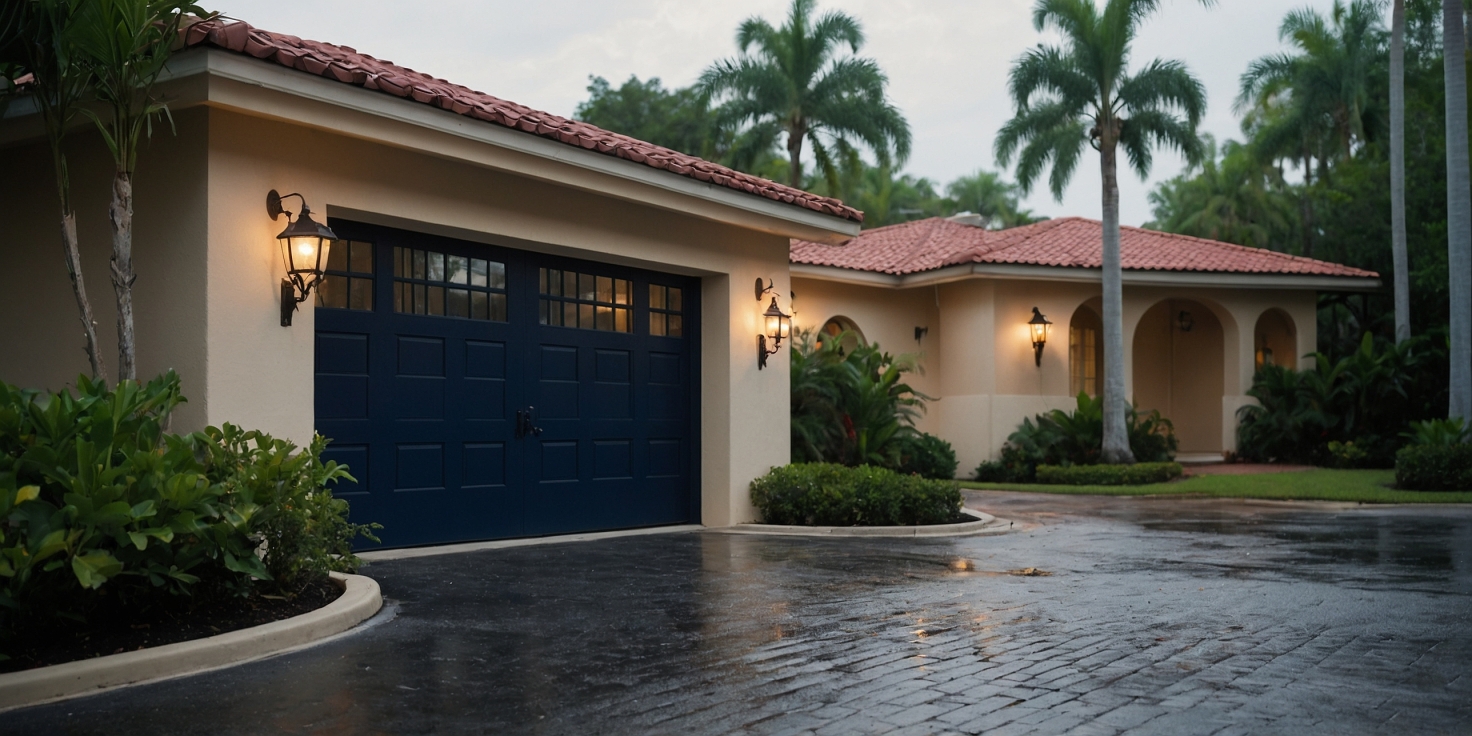
How do you handle property damage from hail? This question is crucial for homeowners and businesses in South Florida, where severe weather can wreak havoc on properties. At LMR Public Adjusters, we specialize in advocating for property owners to maximize insurance claims, ensuring you receive the compensation you deserve. Are you prepared to tackle the aftermath of a hailstorm and protect your investment?
Handling property damage from hail involves several key steps. First, assess the damage thoroughly and document it with photos and videos. Next, contact your insurance company to file a claim, and consider enlisting the help of a public adjuster to navigate the complex claims process. At LMR Public Adjusters, we offer expert guidance and support, ensuring you get the maximum settlement possible.
But this is just the beginning. In our comprehensive guide, we’ll delve into each step in detail, providing expert tips and insights from industry leaders. Don’t let hail damage overwhelm you; arm yourself with the knowledge to handle it effectively. Ready to learn more? Let’s dive into the essential strategies for managing hail damage and securing your property’s future.
Hail forms when updrafts in thunderstorms carry raindrops into extremely cold areas of the atmosphere, causing them to freeze. These ice pellets grow as additional layers of water freeze onto them, eventually falling to the ground as hailstones. Hailstones vary in size, from small pea-sized pellets to large ones as big as grapefruits. The larger the hail, the greater its potential to cause significant damage. Roofs, windows, and vehicles are particularly vulnerable to hail damage. Roofs can suffer from cracked shingles, while windows may shatter under the impact. Vehicles often sustain dents and broken glass. In regions prone to hailstorms, such as the central United States, the frequency and severity of these events can be alarming. For instance, the "Hail Alley" area experiences seven to nine hail days annually. Understanding the risks can help property owners prepare and protect their assets. For more information on protecting your property, visit our property claims page or learn about our services in Fort Lauderdale.
After a hailstorm, prioritize safety before inspecting your property. Begin by checking the roof from the ground using binoculars. Look for dents, missing shingles, or granule loss. Examine siding for cracks or holes. Windows may show cracks or shattered glass. Document all visible damage with clear photos and detailed notes. This documentation is crucial for insurance claims. Capture wide shots and close-ups to provide a comprehensive view. If damage seems extensive, or if you’re unsure about the severity, contact a professional. They can conduct a thorough inspection and provide an expert assessment. For more information on handling such situations, visit our blog. Remember, timely action can prevent further issues. If you’re in the area, consider reaching out to our Fort Lauderdale public adjusters for assistance.
After a hailstorm, prioritize safety by checking for hazards like downed power lines or sharp debris. Stay indoors until conditions stabilize. Once safe, inspect your property for damage. Cover broken windows with plastic or tarps to prevent water intrusion. Secure loose roof shingles to avoid further issues. These temporary repairs can mitigate additional damage while you assess the situation.
Next, ensure your property is secure. Lock doors and windows to deter potential intruders. If you need assistance, consider contacting a professional for guidance. Personal safety is paramount, so avoid risky repairs without proper equipment or expertise.
For more information on handling property damage, visit our property claims page. If you’re in the area, our Fort Lauderdale public adjusters can provide local support. Remember, acting swiftly and safely can significantly reduce the impact of hail damage on your home.
Filing an insurance claim for hail damage requires careful attention. Start by documenting the damage with photos and detailed notes. Contact your insurance company promptly to initiate the claim. During your conversation, be clear and concise. Provide all necessary information and ask about the next steps. It’s crucial to keep records of all communications, including dates and names of representatives.
Challenges often arise during the claims process. Delays and disputes over coverage are common. To overcome these, stay persistent and organized. If you encounter significant issues, consider hiring a public adjuster. A reputable adjuster can help navigate complex claims and ensure fair compensation. When choosing one, research thoroughly and check reviews. For more information, visit our about us page.
Additionally, familiarize yourself with common claim questions by visiting our FAQ section. If your property has suffered extensive damage, our property claims page offers valuable insights. Remember, effective communication and persistence are key to a successful claim.
To effectively address hail damage, begin by assessing the extent of the damage to your property. This involves inspecting roofs, windows, and siding for any visible signs of impact. Once you have a clear understanding, prioritize repairs based on severity. Next, select a qualified contractor. Look for professionals with experience in hail damage repair. It’s crucial to obtain multiple quotes to ensure competitive pricing. Additionally, check references and read reviews to verify the contractor’s reliability.
Before commencing repairs, confirm that the contractor will adhere to local building codes and standards. This ensures the work is both safe and compliant. You might also want to consult with a public adjuster to understand your insurance coverage better. For more information on property claims, visit our property claims page. Finally, consider the long-term benefits of quality repairs. Proper restoration not only enhances your property’s value but also provides peace of mind. For further guidance, explore our blog for additional tips and insights.
To minimize future hail damage, consider using durable materials and advanced construction techniques. Opt for roofing materials like metal or asphalt shingles designed to withstand hail impact. These materials not only offer protection but also enhance the longevity of your roof. Additionally, installing impact-resistant windows can significantly reduce the risk of glass breakage during severe storms. These windows are engineered to absorb impact, providing an extra layer of security.
Regular maintenance is crucial in preparing your property for harsh weather. Inspect your roof and windows periodically for any signs of wear or damage. Promptly address any issues to prevent further complications. Moreover, trimming overhanging branches can prevent them from causing damage during a storm.
For more detailed guidance, explore our blog or learn about our services. If you need assistance with property claims, our experts are ready to help. By taking these preventative measures, you can safeguard your property and reduce the risk of hail damage significantly.
Homeowners have specific legal rights when dealing with hail damage. Understanding these rights is crucial for navigating insurance claims effectively. First, review your insurance policy to know what coverage you have. Policies often cover hail damage, but the extent can vary. If your claim is denied or underpaid, you might face a legal dispute with your insurer. In such cases, document all damage thoroughly and maintain detailed records of all communications. This evidence can support your case if you need to challenge the insurer’s decision.
Disputes with insurance companies can be complex. If negotiations stall, consider seeking legal counsel. An attorney specializing in insurance claims can offer valuable guidance. They can help you understand your rights and the best course of action. Additionally, a public adjuster can assist in evaluating your claim and negotiating with the insurer. For more information on handling property claims, visit our property claims page. If you’re facing challenges with your insurer, our FAQ section might provide further insights. Remember, timely action and informed decisions are key to resolving hail damage claims effectively.
How soon should I start repairs after hail damage? Begin repairs as soon as possible to prevent further damage. However, wait for your insurance adjuster to assess the damage first. This ensures that all issues are documented for your claim.
What does my insurance cover? Insurance typically covers damage to roofs, siding, and windows. Review your policy for specifics, as coverage can vary. If you’re unsure, consult with a public adjuster to clarify your coverage.
How long does the claims process take? The timeline varies, but most claims are resolved within a few weeks. Promptly provide all necessary documentation to expedite the process. If delays occur, contact your insurance company for updates.
Can I choose my own contractor? Yes, you can select your own contractor for repairs. Ensure they are licensed and experienced in hail damage repair. This choice can affect the quality and speed of the work.
What if my claim is denied? If your claim is denied, you can appeal the decision. Consider hiring a public adjuster to assist with the appeal process. They can help gather additional evidence to support your case.
Homeowners dealing with hail damage can find valuable assistance from various organizations. The Federal Emergency Management Agency (FEMA) offers resources for disaster recovery. You can contact them at 1-800-621-3362. Additionally, the National Association of Insurance Commissioners (NAIC) provides guidance on insurance claims. Reach them at 1-866-470-6242. Local government agencies, such as your city’s emergency management office, can also offer support. For Florida residents, the Fort Lauderdale Public Adjusters are a great local resource.
Consumer protection groups like the Better Business Bureau (BBB) help verify the credibility of contractors. Online forums, such as Reddit’s Home Improvement community, allow homeowners to share experiences and advice. For more insights, visit the blog page of LMR Public Adjusters. They offer expert advice on handling property claims. If you need specific local assistance, consider contacting the Pompano Beach Public Adjusters. These resources can significantly ease the process of managing hail damage.
Dealing with hail damage requires a strategic approach. First, assess the extent of the damage promptly. This ensures you can file accurate property claims with your insurance provider. Understanding your insurance policy is crucial. It helps you know what is covered and what steps to take next. Additionally, familiarize yourself with your legal rights to avoid any pitfalls. Proactive measures, such as installing impact-resistant roofing, can mitigate future damage. Regular maintenance and inspections are also essential. They help identify vulnerabilities before the next storm hits. For more guidance, consider consulting with Pompano Beach public adjusters. They can offer expert advice tailored to your situation. Lastly, staying informed and prepared will save you time and stress. For further insights, visit our blog page. It offers valuable tips and resources to help you navigate the complexities of property damage claims.
Dania Beach, Broward County, Davie, Weston, Boca Raton, Cooper City, Coral Springs, Deerfield Beach, Fort Lauderdale, Hollywood, Parkland, Pembroke Pines, Pinecrest, Plantation, Pompano Beach, Sunrise, Fisher Island, Miramar, Delray Beach, Hallandale Beach , Lake Worth, Boynton