

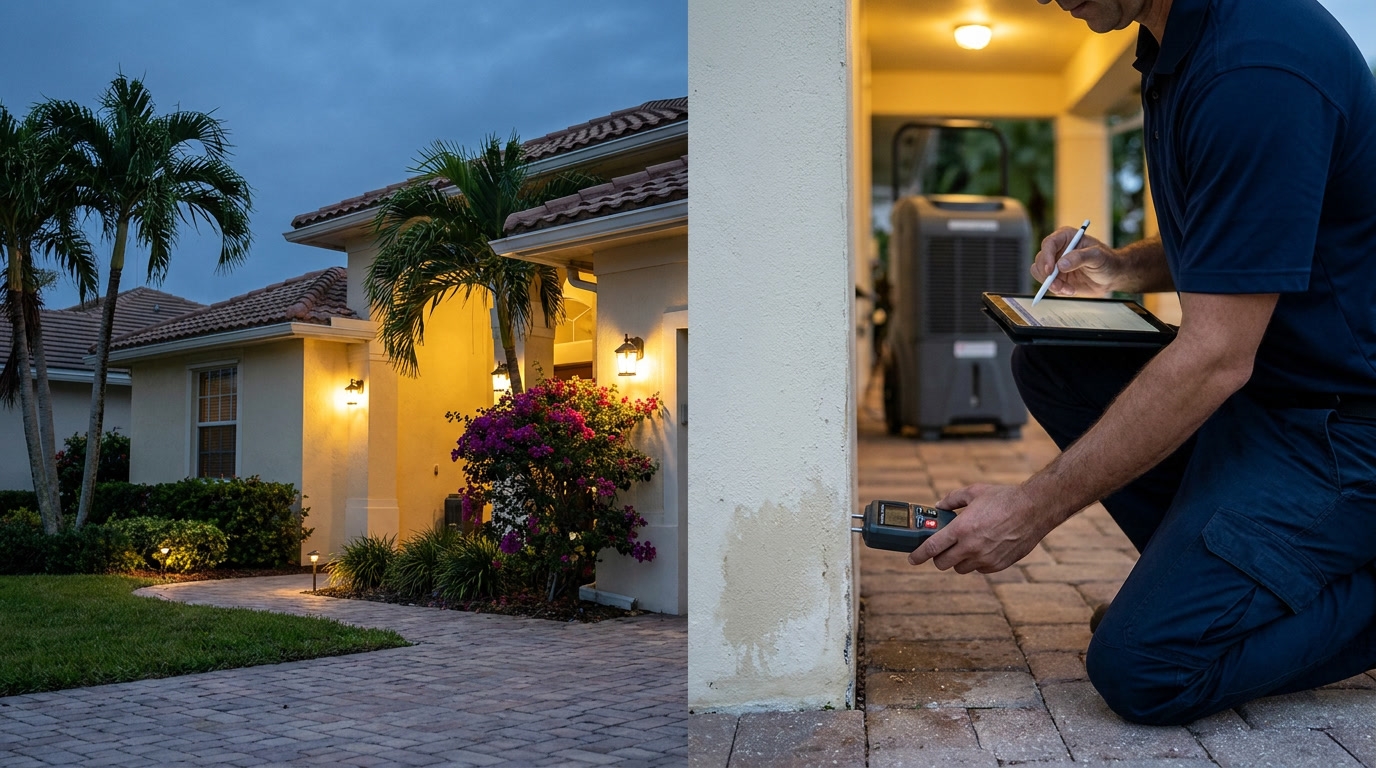
Water damage can be a homeowner’s nightmare. Whether it’s a slow leak from a pipe or a sudden burst, the damage can be extensive and costly. Filing a claim for water damage from leaks can seem daunting, but with the right guidance, you can navigate the process smoothly. In this comprehensive guide, we’ll walk you through each step of filing a claim, ensuring you maximize your insurance benefits. Let’s dive in!
Water damage is a broad term that encompasses various types of damage caused by water intrusion. It can range from minor leaks to major flooding. Understanding the nuances of your insurance policy is crucial to ensure you’re adequately covered.
Most homeowners’ insurance policies cover water damage, but the specifics can vary. It’s essential to know what your policy covers and what it doesn’t. For instance, gradual damage from a slow leak might not be covered, whereas sudden and accidental damage usually is.
Before filing a claim, review your policy thoroughly. Look for terms like "sudden and accidental" and "gradual damage." These terms can significantly impact your claim’s outcome. If you’re unsure about your policy’s details, consider reaching out to LMR Public Adjusters, South Florida’s premier public adjusters. They specialize in advocating for property owners to maximize insurance claims with a personalized, dedicated team.
Before you can file a claim, you need to identify the source of the leak. This step is crucial because it can affect your claim’s validity. Insurance companies often require proof that the damage was sudden and accidental.
Start by inspecting your home for visible signs of water damage. Look for water stains on ceilings, walls, and floors. Check under sinks and around appliances for any signs of moisture. If you can’t find the source, consider hiring a professional to conduct a thorough inspection.
Once you’ve identified the source, document it with photos and videos. This evidence will be invaluable when filing your claim. Remember, the more detailed your documentation, the stronger your claim will be.
Documentation is a critical step in the claims process. The more evidence you have, the better your chances of a successful claim. Start by taking photos and videos of all affected areas. Capture the extent of the damage, including any personal belongings that have been affected.
Create a detailed inventory of damaged items. Include descriptions, purchase dates, and estimated values. If possible, gather receipts or proof of purchase for high-value items. This information will help your insurance adjuster assess the claim’s value accurately.
Keep a record of all communication with your insurance company. This includes emails, phone calls, and letters. Having a paper trail can be beneficial if any disputes arise during the claims process.
Once you’ve documented the damage, it’s crucial to take steps to prevent further damage. Insurance policies often require policyholders to mitigate damage to the best of their ability. Failing to do so could result in a reduced payout or even a denied claim.
Start by stopping the source of the leak, if possible. This might involve shutting off the water supply or hiring a plumber to make immediate repairs. Remove any standing water and dry out affected areas using fans or dehumidifiers.
While it’s essential to mitigate damage, avoid making permanent repairs until your insurance adjuster has assessed the damage. Temporary fixes are acceptable, but permanent repairs could complicate the claims process.
Now that you’ve documented the damage and taken steps to mitigate further issues, it’s time to file your claim. Contact your insurance company as soon as possible to initiate the process. Most companies have a specific timeframe for reporting claims, so don’t delay.
When filing your claim, provide all the documentation you’ve gathered. This includes photos, videos, and your inventory of damaged items. Be prepared to answer questions about the cause of the damage and the steps you’ve taken to mitigate it.
Consider enlisting the help of a public adjuster, like LMR Public Adjusters. They can guide you through the claims process, ensuring you receive the maximum payout possible. Their expertise can be invaluable, especially if your claim is complex or if you’re facing resistance from your insurance company.
Once your claim is filed, an insurance adjuster will be assigned to assess the damage. This individual will visit your property to evaluate the extent of the damage and determine the claim’s value.
During the adjuster’s visit, be present to answer any questions they might have. Provide them with all the documentation you’ve gathered and point out any areas of concern. Remember, the adjuster is there to assess the damage, not to repair it, so avoid making any permanent repairs until they’ve completed their assessment.
If you disagree with the adjuster’s assessment, don’t hesitate to seek a second opinion. A public adjuster can provide an independent evaluation, ensuring you’re not shortchanged on your claim.
Once the adjuster has completed their assessment, your insurance company will offer a settlement. This is the amount they’re willing to pay for the damage. However, this initial offer might not always reflect the true cost of repairs.
Review the settlement offer carefully. Compare it to your documentation and estimates for repairs. If the offer is lower than expected, don’t be afraid to negotiate. Provide evidence to support your case and be prepared to explain why the offer is insufficient.
Negotiating with an insurance company can be challenging, but it’s essential to ensure you receive a fair payout. If you’re uncomfortable negotiating on your own, consider hiring a public adjuster. They can handle negotiations on your behalf, leveraging their expertise to secure a better settlement.
Once you’ve reached a settlement, it’s time to make repairs and restore your home. Choose reputable contractors to ensure the work is done correctly. Get multiple quotes to compare prices and services.
Keep all receipts and invoices related to the repairs. This documentation might be necessary if any issues arise with the insurance company later on. Additionally, maintaining a record of repairs can be beneficial if you decide to sell your home in the future.
Restoring your home can be a lengthy process, but it’s essential to ensure everything is done correctly. Take your time and don’t rush the repairs. Your home is a significant investment, and it’s worth ensuring it’s restored to its original condition.
Filing a claim for water damage from leaks can be a complex process, but with the right approach, you can navigate it successfully. By understanding your insurance policy, documenting the damage, and working with professionals like LMR Public Adjusters, you can maximize your insurance benefits and restore your home to its former glory.
Remember, the key to a successful claim is preparation and persistence. Don’t be afraid to seek help if you need it, and always advocate for yourself to ensure you receive the compensation you deserve.
First, stop the source of the leak if possible. Then, document the damage with photos and videos. Contact your insurance company to report the damage and start the claims process.
Not necessarily. Most policies cover sudden and accidental damage but may exclude gradual damage. Review your policy to understand what’s covered and what’s not.
A public adjuster can guide you through the claims process, ensuring you receive the maximum payout possible. They can handle negotiations with your insurance company and provide an independent assessment of the damage.
It’s best to avoid making permanent repairs until the adjuster has assessed the damage. However, you can make temporary fixes to prevent further damage.
If you disagree with the offer, you can negotiate for a higher payout. Provide evidence to support your case, and consider hiring a public adjuster to assist with negotiations.
Dania Beach, Broward County, Davie, Weston, Boca Raton, Cooper City, Coral Springs, Deerfield Beach, Fort Lauderdale, Hollywood, Parkland, Pembroke Pines, Pinecrest, Plantation, Pompano Beach, Sunrise, Fisher Island, Miramar, Delray Beach, Hallandale Beach , Lake Worth, Boynton