

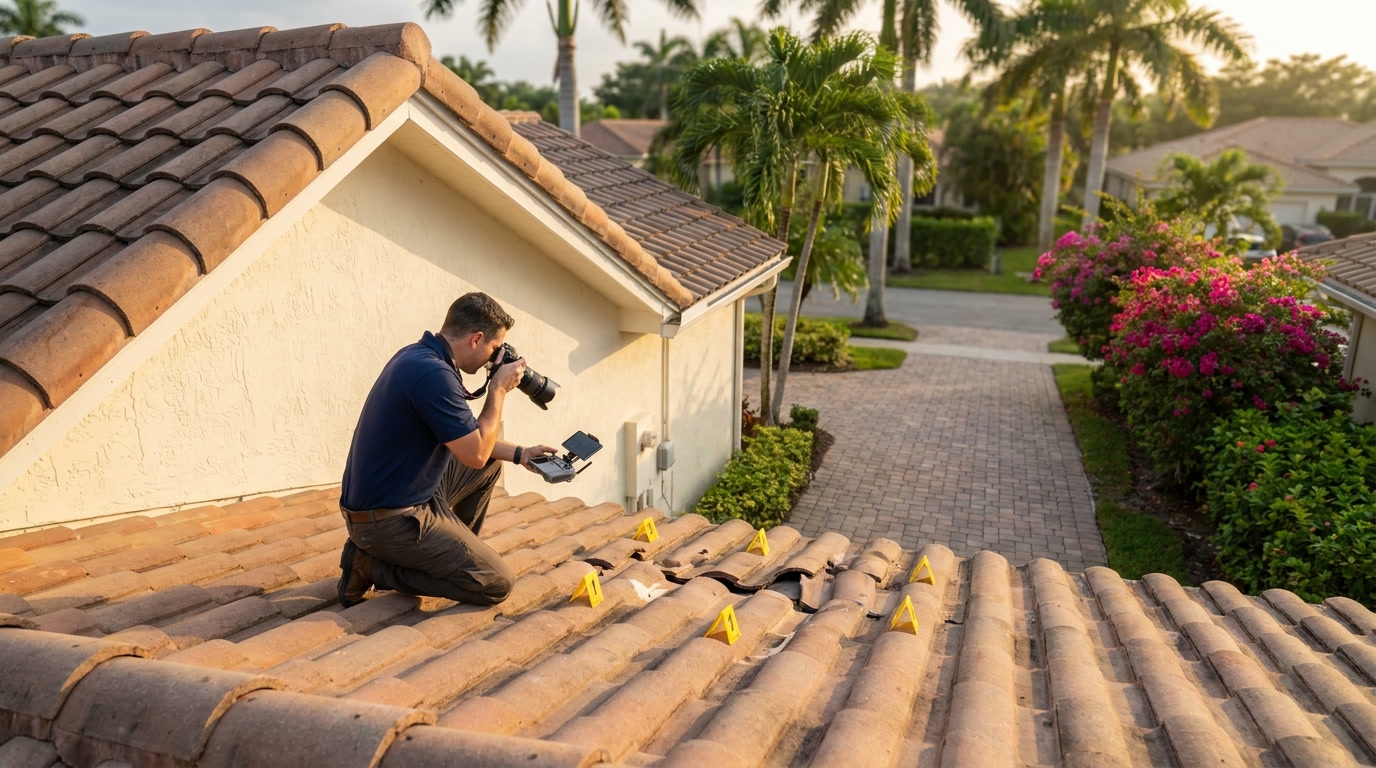
Hailstorms can be a homeowner’s nightmare, causing significant damage to properties in a matter of minutes. These icy pellets, often the size of golf balls or even larger, can wreak havoc on roofs, windows, siding, and outdoor structures. Understanding how to handle property damage from hail is crucial for minimizing repair costs and ensuring that your insurance claims are processed smoothly. In this comprehensive guide, we will explore the steps you need to take immediately after a hailstorm, how to assess and document the damage, and the best practices for filing an insurance claim. With the right approach, you can navigate the aftermath of a hailstorm with confidence and ease.
Once the hailstorm has passed, your first priority should be ensuring the safety of your family and property. Begin by inspecting the exterior of your home for any visible damage. Look for dents or cracks in the siding, broken windows, and damaged roof shingles. If you notice any immediate hazards, such as broken glass or exposed electrical wires, take steps to secure the area and prevent further injury or damage.
It’s also important to document the damage as soon as possible. Take clear, detailed photographs of all affected areas, including close-ups of any significant damage. This documentation will be invaluable when filing an insurance claim. Additionally, keep a record of the date and time of the storm, as well as any weather reports or news articles that confirm the occurrence of hail in your area.
Once you have documented the damage, contact a professional to conduct a thorough inspection. A qualified contractor or public adjuster can assess the full extent of the damage and provide an estimate for repairs. LMR Public Adjusters, South Florida’s premier public adjusters, offer expert services to help property owners maximize their insurance claims. Their personalized, dedicated team will advocate on your behalf to ensure you receive the compensation you deserve.
Assessing hail damage requires a keen eye and attention to detail. Start by examining the roof, as this is often the most vulnerable part of your home during a hailstorm. Look for missing or damaged shingles, dents in metal roofing, and any signs of leaks or water damage. If you’re not comfortable inspecting the roof yourself, hire a professional to do it for you.
Next, inspect the siding and exterior walls for dents, cracks, or holes. Hail can cause significant damage to vinyl and aluminum siding, so it’s important to check these areas thoroughly. Pay special attention to corners and edges, where damage is more likely to occur.
Windows and doors are also susceptible to hail damage. Check for broken glass, damaged frames, and any signs of water infiltration. If you notice any issues, take steps to secure the area and prevent further damage. For example, cover broken windows with plastic or plywood until they can be repaired.
Don’t forget to inspect outdoor structures such as decks, fences, and sheds. Hail can cause significant damage to these areas, leading to costly repairs if not addressed promptly. Document any damage you find and include it in your insurance claim.
Finally, consider hiring a public adjuster to assist with the assessment and documentation process. LMR Public Adjusters offer expert services to help property owners navigate the complexities of insurance claims. Their team of experienced professionals will ensure that all damage is thoroughly documented and that you receive the maximum compensation for your claim.
Filing an insurance claim for hail damage can be a daunting process, but with the right approach, you can ensure a successful outcome. Start by reviewing your insurance policy to understand the coverage and any specific requirements for filing a claim. Pay attention to deadlines and documentation requirements, as missing these can result in a denied claim.
Once you have a clear understanding of your policy, contact your insurance company to report the damage. Provide them with the documentation you have gathered, including photographs, inspection reports, and any other relevant information. Be prepared to answer questions about the extent of the damage and any temporary repairs you have made.
It’s important to keep detailed records of all communications with your insurance company, including phone calls, emails, and letters. This will help you track the progress of your claim and provide evidence if any disputes arise.
Consider hiring a public adjuster to assist with the claims process. LMR Public Adjusters specialize in advocating for property owners to maximize their insurance claims. Their personalized, dedicated team will work with you every step of the way to ensure a fair and timely resolution.
Once your claim is approved, work with your contractor or public adjuster to coordinate repairs. Ensure that all work is completed to your satisfaction and that any remaining issues are addressed promptly. With the right approach, you can successfully navigate the insurance claims process and restore your property to its pre-storm condition.
While you can’t control the weather, there are steps you can take to minimize the risk of hail damage to your property in the future. Start by investing in impact-resistant roofing materials, which are designed to withstand the force of hailstones. These materials can significantly reduce the likelihood of roof damage during a hailstorm.
Consider installing storm shutters or impact-resistant windows to protect your home from broken glass and water infiltration. These upgrades can provide an additional layer of protection and help prevent costly repairs.
Regular maintenance is also key to preventing hail damage. Keep your roof, gutters, and downspouts in good condition to ensure proper drainage and reduce the risk of leaks. Trim trees and shrubs near your home to prevent branches from causing damage during a storm.
Finally, stay informed about the weather in your area and take precautions when hail is forecasted. Move vehicles and outdoor furniture to a sheltered location, and secure any loose items that could be damaged or cause damage during a storm.
By taking these proactive steps, you can reduce the risk of hail damage and protect your property from future storms. For more information on preventing and handling property damage, visit the LMR Public Adjusters blog for expert tips and advice.
Handling property damage from hail requires a strategic approach, from immediate assessment and documentation to filing an insurance claim and coordinating repairs. By following the steps outlined in this guide, you can navigate the aftermath of a hailstorm with confidence and ensure that your property is restored to its pre-storm condition. Remember, the key to a successful insurance claim is thorough documentation and timely communication with your insurance company.
For expert assistance with your insurance claim, consider partnering with LMR Public Adjusters, South Florida’s premier public adjusters. Their personalized, dedicated team will advocate on your behalf to maximize your claim and ensure a fair resolution. Don’t let hail damage disrupt your life—take action today to protect your property and secure the compensation you deserve.
Dania Beach, Broward County, Davie, Weston, Boca Raton, Cooper City, Coral Springs, Deerfield Beach, Fort Lauderdale, Hollywood, Parkland, Pembroke Pines, Pinecrest, Plantation, Pompano Beach, Sunrise, Fisher Island, Miramar, Delray Beach, Hallandale Beach , Lake Worth, Boynton