
Navigating the aftermath of a fire in your office can be overwhelming, especially when it comes to filing a claim for fire damage. At LMR Public Adjusters, we understand the complexities involved in the insurance claims process and are here to assist businesses in South Florida, including Miami, Fort Lauderdale, and Tampa, in securing the compensation they deserve. As a leading provider of public adjusting services in Florida, our mission is to help you through every step of filing a fire damage claim, ensuring you receive the maximum settlement possible. Our experienced team specializes in a wide range of property damage claims, including fire damage, smoke damage, and more. We offer a free claim assessment to evaluate your situation and work on a contingency basis, meaning we only get paid if you do. With our expertise and dedication, LMR Public Adjusters is committed to providing excellent customer service and a stress-free claims process. Contact us today to learn how we can help you recover from fire damage and protect your business’s future.
Understanding a fire damage insurance policy is crucial for any business owner, especially when it comes to filing a claim for fire damage in offices. A fire damage insurance policy is designed to provide financial protection against losses caused by fire. This type of policy typically covers the cost of repairing or replacing damaged property, as well as any associated expenses such as debris removal and loss of income due to business interruption.
When considering a fire damage insurance policy, it is important to understand the specific terms and conditions outlined in the policy. These policies often include coverage for the physical structure of the building, office equipment, furniture, and other contents within the office. Additionally, many policies offer coverage for additional expenses incurred as a result of the fire, such as temporary relocation costs or increased operational expenses.
One of the key aspects of a fire damage insurance policy is the coverage limit, which is the maximum amount the insurance company will pay for a covered loss. It is essential to ensure that the coverage limit is adequate to cover the potential costs of rebuilding or repairing the office and replacing its contents. Business owners should also be aware of any deductibles, which are the amounts they must pay out of pocket before the insurance coverage kicks in.
Another important element to consider is the policy’s exclusions and limitations. These are specific situations or types of damage that are not covered by the policy. Common exclusions may include damage caused by intentional acts, war, nuclear hazards, or certain types of natural disasters. Understanding these exclusions is vital to ensure that there are no surprises when filing a claim.
In addition to the basic coverage, many fire damage insurance policies offer optional endorsements or riders that can provide additional protection. For example, a policyholder might choose to add coverage for valuable papers and records, electronic data, or outdoor property such as landscaping. These endorsements can be particularly beneficial for businesses that rely heavily on specific assets or have unique risks.
It is also important to understand the claims process outlined in the policy. This typically involves notifying the insurance company of the loss, providing documentation and evidence of the damage, and cooperating with any investigations conducted by the insurer. Timely and accurate reporting is crucial to ensure a smooth claims process and maximize the chances of a successful claim.
According to the National Fire Protection Association, there were an estimated 111,000 non-residential fires in the United States in 2020, resulting in $3.4 billion in property damage. This statistic underscores the importance of having a comprehensive fire damage insurance policy in place to protect your business from potentially devastating financial losses.
For more information on how to navigate the complexities of fire damage insurance policies, consider visiting resources like the Insurance Information Institute or consulting with a professional public adjuster. Public adjusters can provide valuable assistance in understanding policy details and advocating on behalf of policyholders during the claims process. For example, LMR Public Adjusters offers expert guidance and support to ensure that business owners receive the compensation they are entitled to.
In conclusion, understanding your fire damage insurance policy is a critical step in protecting your business from the financial impact of fire damage. By familiarizing yourself with the policy’s coverage, limitations, and claims process, you can be better prepared to navigate the aftermath of a fire and ensure that your business can recover and continue to thrive. For additional insights and tips on managing fire damage claims, you can explore the LMR Public Adjusters blog or reach out to their team of experienced professionals for personalized assistance.
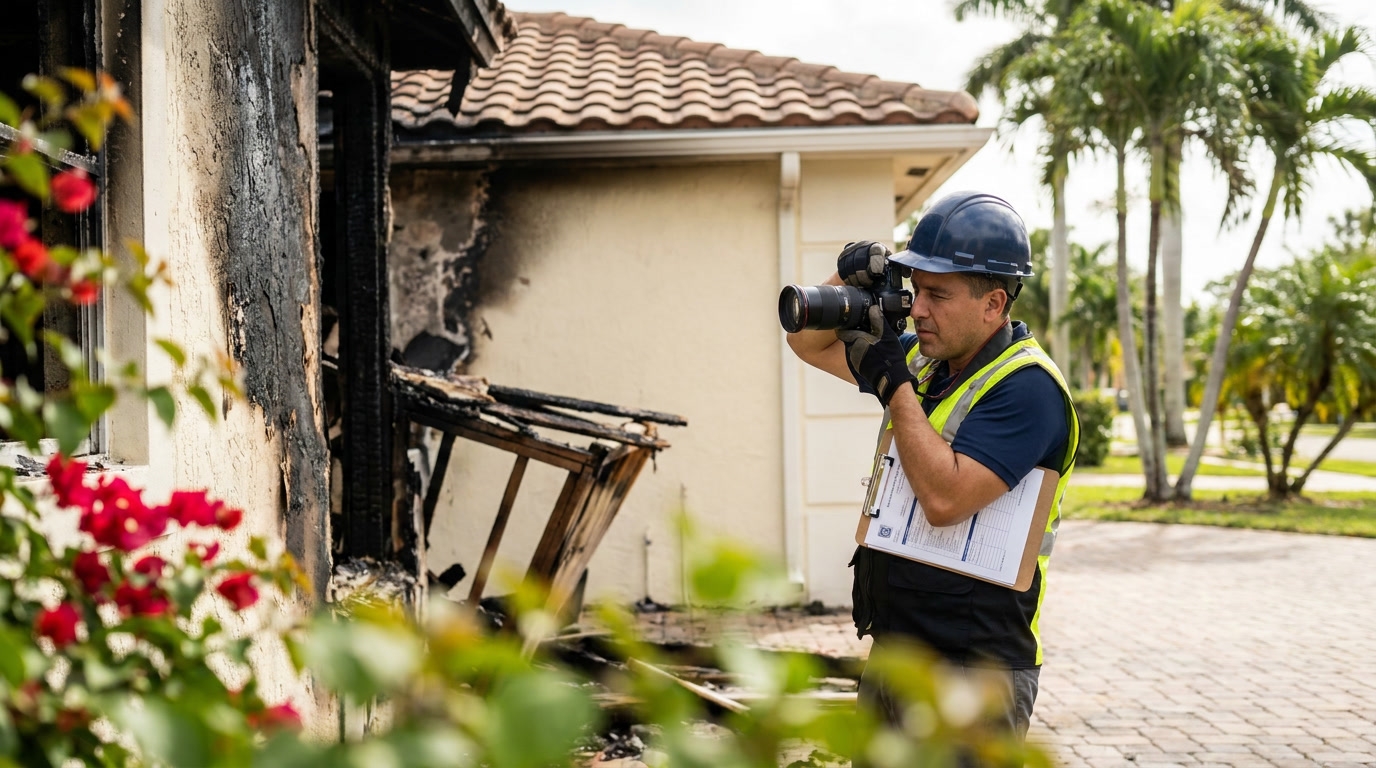
When a fire occurs in an office setting, the aftermath can be overwhelming. However, taking prompt and systematic steps to document and report the fire damage is crucial for filing a successful insurance claim. The process begins with ensuring safety and securing the premises. Once it is safe to enter the building, a thorough assessment of the damage should be conducted. This involves taking detailed notes and photographs of all affected areas, including structural damage, damaged equipment, and any other losses. It is essential to capture images from multiple angles to provide a comprehensive view of the damage.
Next, compile an inventory of all damaged items. This inventory should include a description of each item, its original purchase price, and an estimate of its current value. If possible, gather receipts, invoices, or any other documentation that can substantiate the value of the items. This will be invaluable when filing your claim and negotiating with the insurance company.
In addition to physical documentation, it is important to keep a record of all communications related to the fire damage. This includes emails, letters, and phone calls with your insurance company, contractors, and any other relevant parties. Maintaining a detailed log of these interactions can help ensure that nothing is overlooked and that you have a clear timeline of events.
Once you have gathered all necessary documentation, report the damage to your insurance company as soon as possible. Most insurance policies require prompt notification of any claims. When contacting your insurer, provide them with a detailed account of the damage and submit all collected documentation. This will help expedite the claims process and increase the likelihood of a favorable outcome.
It may also be beneficial to consult with a public adjuster who specializes in commercial properties. A public adjuster can assist in evaluating the damage, preparing the necessary documentation, and negotiating with the insurance company on your behalf. Their expertise can be invaluable in ensuring that you receive the full compensation you are entitled to.
Finally, stay informed about the claims process and follow up regularly with your insurance company. Be proactive in addressing any requests for additional information or documentation. By taking these steps, you can effectively document and report fire damage, paving the way for a successful insurance claim. For more detailed guidance, you can explore resources such as the FAQ section or the blog page on our website.
In conclusion, filing a claim for fire damage in offices is a critical process that requires careful attention to detail and prompt action. By understanding your insurance policy, documenting the damage thoroughly, and communicating effectively with your insurance provider, you can navigate the claims process more smoothly. It’s essential to act quickly to mitigate further damage and to keep detailed records of all communications and expenses related to the incident. Seeking professional assistance, such as hiring a public adjuster or consulting with legal experts, can also be beneficial in ensuring that you receive a fair settlement. Ultimately, being prepared and informed can make a significant difference in the outcome of your fire damage claim, helping your business recover and resume operations as swiftly as possible.
Dania Beach, Broward County, Davie, Weston, Boca Raton, Cooper City, Coral Springs, Deerfield Beach, Fort Lauderdale, Hollywood, Parkland, Pembroke Pines, Pinecrest, Plantation, Pompano Beach, Sunrise, Fisher Island, Miramar, Delray Beach, Hallandale Beach , Lake Worth, Boynton