
When it comes to safeguarding your warehouse assets, understanding how to document smoke damage effectively is crucial. At LMR Public Adjusters, South Florida’s premier public adjusters, we specialize in advocating for property owners to maximize their insurance claims with our personalized and dedicated team. Smoke damage can have a significant impact on your warehouse, affecting both the structure and the stored goods. Proper documentation is essential to ensure you receive the full compensation you deserve from your insurance provider. In this guide, we’ll walk you through the steps to accurately document smoke damage in warehouses, helping you streamline the claims process and protect your investment. Whether you’re dealing with soot-covered surfaces, damaged inventory, or compromised air quality, our expert tips will equip you with the knowledge to handle the situation efficiently. By following these steps, you can ensure that your insurance claim is comprehensive and well-supported, allowing you to focus on restoring your warehouse operations swiftly.
Smoke damage in warehouses can have a profound impact on inventory, affecting both the physical condition of goods and the financial health of a business. Understanding the nuances of smoke damage is crucial for warehouse managers and business owners to mitigate losses and ensure a swift recovery. Smoke damage is not just about the visible soot or discoloration; it encompasses a range of issues that can compromise the integrity of stored items.
Firstly, smoke contains a variety of chemicals, including carbon monoxide, carbon dioxide, and other volatile organic compounds. These substances can penetrate packaging and contaminate products, rendering them unsellable. For instance, food items, pharmaceuticals, and textiles are particularly susceptible to smoke contamination. Even if the smoke damage is not immediately visible, the odor and chemical residues can make products unfit for sale. According to the National Fire Protection Association, smoke can cause more damage than the fire itself, as it can spread throughout the warehouse, affecting areas untouched by flames.
Moreover, smoke damage can lead to significant financial losses. The cost of cleaning, restoring, or replacing damaged inventory can be substantial. Businesses may also face downtime, leading to lost sales and disrupted supply chains. Insurance claims for smoke damage can be complex, requiring detailed documentation and evidence of the extent of the damage. This is where understanding how to document smoke damage becomes critical. Proper documentation can facilitate smoother insurance claims and ensure that businesses receive adequate compensation for their losses.
The impact of smoke damage extends beyond the immediate physical and financial effects. It can also affect a company’s reputation and customer trust. Delivering products that have been compromised by smoke can lead to customer dissatisfaction and potential loss of business. Therefore, it is essential for businesses to have a robust plan in place to address smoke damage swiftly and effectively.
To mitigate the impact of smoke damage, businesses should consider implementing preventive measures. Regular maintenance of fire detection and suppression systems is crucial. Additionally, having a comprehensive insurance policy that covers smoke damage is vital. Businesses should also educate their staff on emergency response procedures and ensure that they are trained to handle such situations efficiently.
For those dealing with smoke damage, seeking professional assistance can be beneficial. Public adjusters, such as those at Fort Lauderdale Public Adjusters or Hollywood Public Adjusters, can provide expert guidance on documenting and claiming smoke damage. They can help assess the extent of the damage, compile necessary documentation, and negotiate with insurance companies to ensure fair compensation.
In conclusion, understanding the impact of smoke damage on warehouse inventory is essential for effective risk management. By recognizing the potential risks and implementing preventive measures, businesses can protect their inventory and minimize financial losses. For more detailed information on handling smoke damage claims, visit our blog page or check out our FAQ section for common questions and answers.
For further reading, consider these resources:
Incorporating these strategies and resources can help businesses navigate the challenges of smoke damage and safeguard their operations against future incidents.
When it comes to documenting smoke damage in warehouses, having the right tools and equipment is crucial for accurate and efficient assessment. Smoke damage can be extensive and complex, affecting various materials and surfaces in a warehouse. Therefore, a comprehensive approach is necessary to ensure all damage is properly documented for insurance claims and restoration purposes. Here are some essential tools and equipment that can aid in this process.
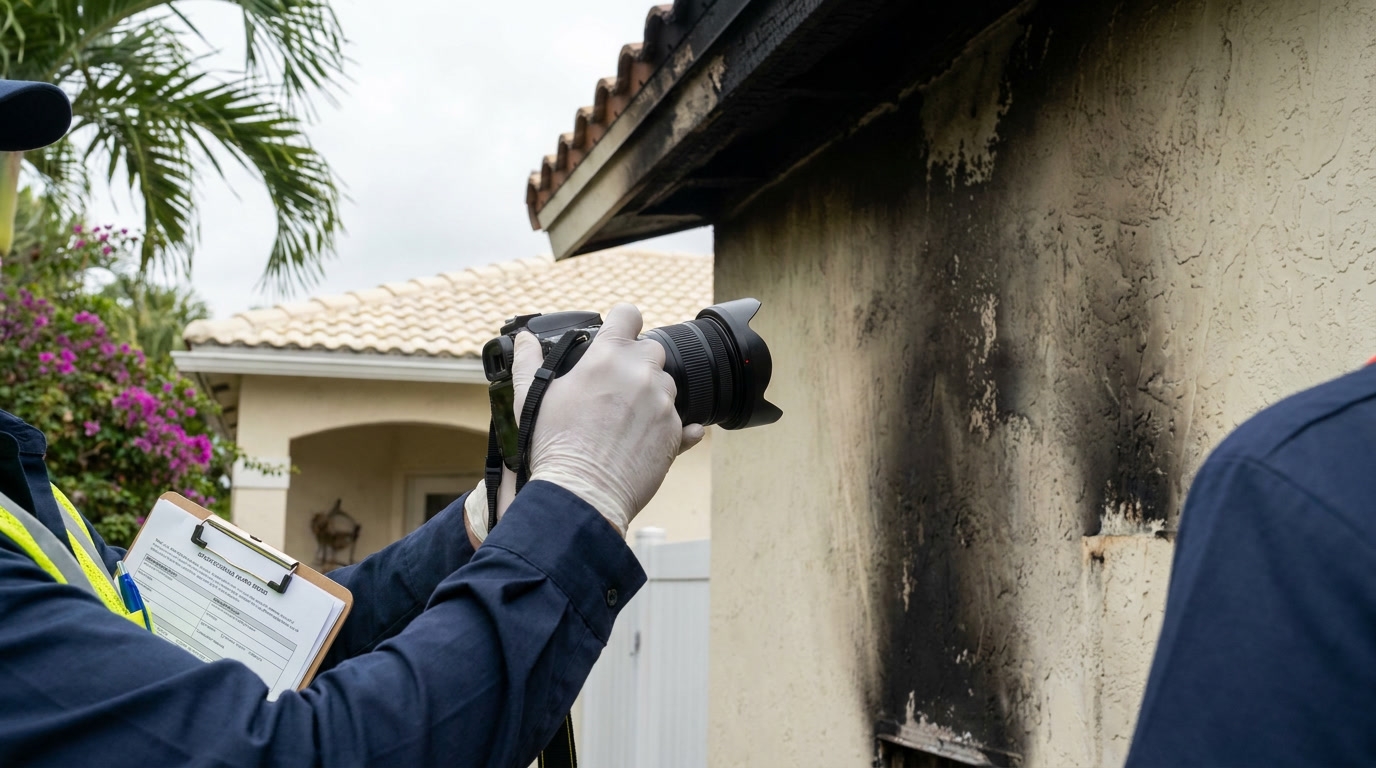
First and foremost, a high-quality digital camera is indispensable. It is essential for capturing clear and detailed images of the smoke damage. A camera with a high resolution allows for close-up shots that can highlight specific areas of damage, such as soot accumulation on walls or ceilings. Additionally, a camera with a wide-angle lens can be useful for capturing the overall extent of the damage in larger areas. Photographic evidence is a critical component of any insurance claim, providing visual proof of the damage incurred.
In addition to a camera, a moisture meter is another vital tool. Smoke damage often accompanies water damage from firefighting efforts, and a moisture meter can help identify areas where water has seeped into materials. This tool measures the moisture content in walls, floors, and other surfaces, helping to pinpoint areas that may be prone to mold growth if not properly dried and treated. Understanding the extent of moisture intrusion is essential for comprehensive documentation and subsequent remediation efforts.
A thermal imaging camera is another valuable piece of equipment for documenting smoke damage. This tool can detect variations in temperature, which can indicate areas of hidden moisture or heat damage that are not visible to the naked eye. Thermal imaging can reveal hot spots or areas where insulation has been compromised, providing additional data points for a thorough assessment of the damage.
For safety and thoroughness, personal protective equipment (PPE) is also necessary when documenting smoke damage. Smoke can contain harmful chemicals and particulates, so wearing masks, gloves, and protective clothing is important to protect oneself during the inspection process. PPE ensures that the documentation process can be conducted safely, without risking health hazards from exposure to smoke residues.
A detailed checklist or documentation form is another essential tool. This helps ensure that all aspects of the smoke damage are recorded systematically. The checklist should include sections for noting the location, type, and extent of damage, as well as any additional observations. This organized approach facilitates a comprehensive assessment and ensures that no detail is overlooked.
Finally, having access to expert guidance can be invaluable. Consulting with professionals who specialize in smoke damage assessment can provide insights and recommendations that might not be immediately apparent. For those seeking expert assistance, consider reaching out to Fort Lauderdale public adjusters or Hollywood public adjusters who have experience in handling such claims. Their expertise can help streamline the documentation process and ensure that all necessary information is captured accurately.
In conclusion, documenting smoke damage in warehouses requires a combination of the right tools, safety measures, and expert advice. By utilizing high-quality cameras, moisture meters, thermal imaging, and protective equipment, one can effectively assess and document the extent of smoke damage. Additionally, maintaining a detailed checklist and seeking professional guidance can further enhance the accuracy and completeness of the documentation process. This comprehensive approach not only aids in filing insurance claims but also lays the groundwork for successful restoration and recovery efforts.
Inspecting and recording smoke damage in warehouses is a critical task that requires a systematic approach to ensure all affected areas are thoroughly documented. This process not only aids in filing insurance claims but also helps in planning the necessary restoration work. To begin, it is essential to conduct a comprehensive visual inspection of the warehouse. Start by examining the exterior of the building for any signs of smoke residue or soot accumulation. Pay close attention to windows, doors, and ventilation systems, as these areas often show the first signs of smoke damage. Once the exterior inspection is complete, move inside the warehouse.
Inside the warehouse, systematically inspect each section, starting from the ceiling and working your way down to the floor. Look for discoloration, soot deposits, and any lingering odors that indicate smoke damage. It is crucial to document each area meticulously, taking detailed notes and photographs. Photographs should capture the extent of the damage and include close-ups of affected areas as well as wide-angle shots to provide context. This visual evidence is vital for supporting insurance claims and ensuring that no damage is overlooked.
While inspecting, do not forget to check less obvious areas such as storage racks, shelving units, and any equipment or machinery present in the warehouse. Smoke can infiltrate these areas, causing damage that may not be immediately visible. Additionally, inspect the HVAC systems, as smoke particles can travel through these systems and spread throughout the building. Document any signs of damage or contamination in these systems, as they may require professional cleaning or replacement.
Once the inspection is complete, organize your findings into a comprehensive report. This report should include a detailed description of the damage, supported by the photographs taken during the inspection. Be sure to note the location and extent of the damage, as well as any potential safety hazards that may need immediate attention. This report will serve as a crucial piece of documentation when filing a property claim with your insurance company.
In addition to the visual inspection, consider using specialized equipment to detect smoke damage that may not be visible to the naked eye. Thermal imaging cameras, for example, can help identify areas of heat damage or hidden soot deposits. These tools can provide additional evidence to support your claim and ensure that all damage is accounted for.
After completing the inspection and documentation process, it is advisable to consult with a professional public adjuster. A public adjuster can provide expert guidance on the claims process and help ensure that you receive a fair settlement from your insurance company. They can also assist in identifying any overlooked damage and provide recommendations for restoration services. For those in specific areas, local adjusters such as Fort Lauderdale public adjusters or Hollywood public adjusters can offer tailored assistance based on regional expertise.
In conclusion, inspecting and recording smoke damage in warehouses requires a thorough and methodical approach. By conducting a detailed inspection, documenting all findings with photographs and notes, and consulting with professionals, you can ensure that all damage is accounted for and that your insurance claim is well-supported. This process not only facilitates a smoother claims experience but also aids in the efficient restoration of your warehouse, minimizing downtime and financial loss.
When documenting smoke damage in warehouses, employing effective photographing and video recording techniques is crucial for creating an accurate and comprehensive record. This documentation not only serves as essential evidence for insurance claims but also aids in assessing the extent of damage and planning necessary repairs. To begin with, ensure that you have the right equipment. A high-quality digital camera with adjustable settings and a tripod for stability is ideal for capturing clear images. Additionally, a smartphone with a good camera can be a handy alternative. For video recording, a camera with high-definition capabilities is recommended to capture detailed footage.
Start by taking wide-angle shots of the entire warehouse to provide an overview of the affected areas. This helps in establishing the context of the damage. Next, focus on capturing close-up images of specific damage points, such as soot-covered surfaces, smoke-stained walls, and damaged inventory. Ensure that you photograph from multiple angles to provide a comprehensive view. Use a ruler or a recognizable object for scale in your photos to give a sense of the size of the damage. Lighting is crucial; use natural light where possible, but if the area is poorly lit, employ additional lighting to ensure clarity.
When recording video, begin with a walkthrough of the warehouse, narrating the extent and location of the damage. This verbal account can be invaluable when reviewing the footage later. Move slowly to avoid blurry footage and ensure that you capture all relevant details. Highlight areas that are severely affected and zoom in on specific damage points for a closer look. Remember to include any safety hazards, such as weakened structures or exposed electrical wiring, in your documentation.
Organize your photos and videos systematically. Label each file with a description and the date it was taken. This organization will facilitate easy retrieval and reference during the claims process. Consider using cloud storage to back up your documentation, ensuring it is safe and accessible from anywhere. For more information on handling property claims, visit our property claims page.
In addition to visual documentation, maintain a written log detailing the damage observed. This log should include the time and date of each entry, the specific location within the warehouse, and a description of the damage. Cross-reference this log with your photos and videos for a comprehensive record. If you need further assistance, our team is available to guide you through the documentation process.
Finally, consider consulting with professionals who specialize in smoke damage assessment. They can provide expert insights and ensure that your documentation is thorough and accurate. For more tips and advice on managing damage to commercial properties, explore our resources on commercial properties. Proper documentation is a critical step in the recovery process, and by following these techniques, you can ensure that you have a detailed and accurate record of the smoke damage in your warehouse.
When documenting smoke damage in warehouses, creating detailed reports for insurance and restoration purposes is a critical step. These reports serve as a comprehensive record of the damage, providing essential information for insurance claims and guiding restoration efforts. To begin, it is important to conduct a thorough assessment of the affected areas. This involves inspecting every corner of the warehouse, from the ceiling to the floor, and noting the extent of the smoke damage. Photographs and videos should be taken to visually capture the damage, as these will be invaluable in supporting your claim. Be sure to include images of both the obvious damage and any subtle signs that might not be immediately apparent.
Next, it is crucial to document the type of smoke damage present. Smoke can cause a variety of issues, from discoloration and soot deposits to lingering odors and chemical residues. Each type of damage may require different restoration techniques, so identifying them accurately is essential. In your report, describe the specific characteristics of the smoke damage, such as the color and texture of soot, the presence of any oily residues, and any noticeable odors. This detailed description will help restoration professionals determine the most effective cleaning and repair methods.
In addition to visual documentation, it is important to provide a written narrative of the events leading to the smoke damage. Include information about the source of the smoke, the duration of exposure, and any immediate actions taken to mitigate the damage. This context can be crucial for insurance adjusters in understanding the full scope of the incident and the resulting damage. If possible, gather statements from employees or witnesses who were present during the event to provide additional perspectives.
Furthermore, it is beneficial to include an inventory of damaged items within the warehouse. List all affected goods, equipment, and structural components, along with their estimated value. This inventory will be a key component of your insurance claim, as it helps quantify the financial impact of the smoke damage. Be sure to include any relevant documentation, such as purchase receipts or appraisals, to support your valuation.
Once the report is complete, it should be reviewed for accuracy and completeness. Any discrepancies or missing information could delay the insurance claim process or result in inadequate compensation. Consider consulting with a professional public adjuster to ensure your report meets industry standards and effectively communicates the extent of the damage. Public adjusters, such as those at LMR Public Adjusters, have the expertise to assist in preparing comprehensive reports and navigating the claims process.
Finally, submit the report to your insurance company promptly. Timely submission is crucial, as delays can complicate the claims process and prolong the restoration timeline. Keep a copy of the report for your records and follow up with your insurance provider to confirm receipt and address any questions they may have. By taking these steps, you can ensure that your documentation of smoke damage is thorough and effective, facilitating a smoother insurance and restoration process. For more information on handling property claims, visit the property claims section of our website. Additionally, if you have any questions about the claims process, our FAQ page offers valuable insights.
When dealing with smoke damage in warehouses, it is crucial to meticulously document the damage to ensure a smooth claims process and effective restoration. Organizing and storing smoke damage documentation efficiently is vital for easy access and retrieval when needed. The first step in organizing smoke damage documentation is to create a comprehensive inventory of all affected items and areas. This inventory should include detailed descriptions, photographs, and videos of the damage. It is advisable to categorize the documentation based on the type of damage, such as structural damage, inventory damage, and equipment damage. This categorization will make it easier to locate specific documents when required.
Digital documentation is highly recommended for its ease of storage and retrieval. Use cloud-based storage solutions to back up all digital files, ensuring they are safe from physical damage and accessible from anywhere. Label each file clearly with relevant information, such as the date, location, and type of damage. This practice will help in quickly identifying and retrieving the necessary documents. Additionally, maintaining a digital log or spreadsheet that lists all the files and their locations can further streamline the organization process.
For physical documents, such as reports and receipts, use a filing system with clearly labeled folders. Store these documents in a secure, fireproof, and waterproof location to prevent further damage. Consider scanning physical documents and storing them digitally as well, providing an additional layer of security and accessibility. Regularly update and review your documentation to ensure it remains current and comprehensive.
Collaboration and communication are key when dealing with smoke damage documentation. Share access to digital files with relevant stakeholders, such as insurance adjusters, restoration experts, and legal advisors. This shared access facilitates efficient communication and ensures that everyone involved has the necessary information to make informed decisions. For those seeking professional assistance, consider consulting with Fort Lauderdale public adjusters who specialize in smoke damage claims. Their expertise can be invaluable in navigating the complexities of the claims process.
Regular audits of your documentation system can help identify any gaps or areas for improvement. These audits ensure that your documentation remains organized and up-to-date, reducing the risk of missing or incomplete information during the claims process. Additionally, staying informed about best practices and industry standards for documentation can enhance your organizational strategies. Explore resources such as blogs and articles that provide insights into effective documentation techniques and tools.
In summary, organizing and storing smoke damage documentation requires a systematic approach that prioritizes accessibility, security, and collaboration. By implementing these best practices, you can ensure that your documentation is comprehensive, well-organized, and readily available when needed. This preparation not only facilitates a smoother claims process but also aids in the efficient restoration of your warehouse. For more information on handling smoke damage and other related issues, consider reaching out to commercial property experts who can provide tailored advice and support.
When it comes to documenting smoke damage in warehouses, collaborating with professionals is crucial for a comprehensive damage assessment. Smoke damage can be complex, affecting various materials and structures in different ways. Engaging with experts ensures that every aspect of the damage is thoroughly evaluated, providing a solid foundation for insurance claims and restoration efforts. Professionals such as public adjusters, restoration specialists, and environmental consultants bring a wealth of experience and specialized knowledge to the table, which is invaluable in assessing the full extent of smoke damage.
Public adjusters play a pivotal role in the damage assessment process. They are skilled in evaluating the impact of smoke on commercial properties and can help warehouse owners understand the nuances of their insurance policies. By working with a public adjuster, you can ensure that all damage is accurately documented and that your insurance claim reflects the true extent of the loss. This collaboration can significantly enhance your chances of receiving a fair settlement from your insurance provider. For more information about how public adjusters can assist with property claims, you can visit the property claims page.
Restoration specialists are another essential group of professionals to collaborate with during a smoke damage assessment. These experts have the technical expertise to identify both visible and hidden damage caused by smoke. They use advanced tools and techniques to detect smoke residues, odors, and structural damage that might not be immediately apparent. By working closely with restoration specialists, you can develop a comprehensive restoration plan that addresses all aspects of the damage, ensuring that your warehouse is returned to its pre-damage condition as efficiently as possible.
Environmental consultants can also provide valuable insights during a smoke damage assessment. Smoke can leave behind harmful residues and particulates that pose health risks to workers and occupants. Environmental consultants can conduct air quality tests and surface sampling to determine the presence of hazardous substances. Their findings can guide the remediation process, ensuring that the warehouse environment is safe for occupancy. This is particularly important for warehouses storing sensitive goods or materials that could be further compromised by smoke contamination.
In addition to these professionals, it is beneficial to engage with local public adjusters who have experience with the specific challenges and regulations in your area. For instance, if your warehouse is located in Florida, you might consider consulting with Fort Lauderdale public adjusters or Pompano Beach public adjusters who are familiar with the regional climate and building codes. Their local expertise can be instrumental in navigating the complexities of smoke damage documentation and insurance claims.
Overall, collaborating with professionals for a comprehensive damage assessment is a strategic approach that can save time, reduce stress, and maximize the effectiveness of your insurance claim. By leveraging the expertise of public adjusters, restoration specialists, and environmental consultants, you can ensure that all aspects of smoke damage are thoroughly documented and addressed. This collaborative effort not only facilitates a smoother claims process but also helps in restoring your warehouse to its optimal condition, safeguarding your business operations and assets.
In conclusion, effectively documenting smoke damage in warehouses is a crucial step in the recovery and restoration process. By following a systematic approach that includes thorough visual inspections, detailed photographic evidence, and comprehensive written reports, warehouse managers can ensure that all damage is accurately recorded. This meticulous documentation not only aids in insurance claims and potential legal proceedings but also provides a clear roadmap for restoration efforts. Additionally, leveraging technology such as drones and digital tools can enhance the accuracy and efficiency of the documentation process. Ultimately, a well-documented account of smoke damage not only facilitates a smoother recovery but also helps in implementing preventive measures to mitigate future risks. By prioritizing detailed documentation, businesses can safeguard their assets and ensure a quicker return to normal operations.
Dania Beach, Broward County, Davie, Weston, Boca Raton, Cooper City, Coral Springs, Deerfield Beach, Fort Lauderdale, Hollywood, Parkland, Pembroke Pines, Pinecrest, Plantation, Pompano Beach, Sunrise, Fisher Island, Miramar, Delray Beach, Hallandale Beach , Lake Worth, Boynton