

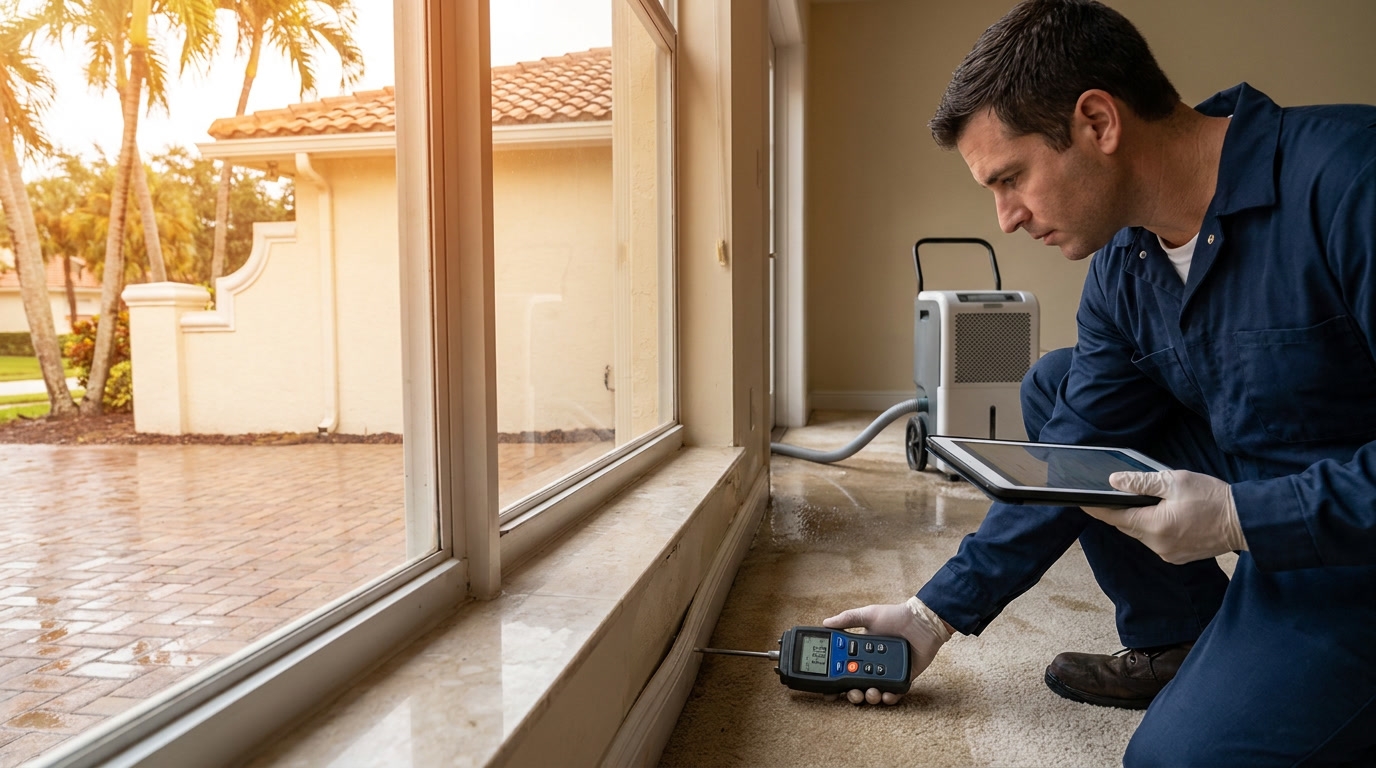
Flash floods can cause significant property damage, leaving homeowners and businesses grappling with the aftermath. Understanding how to handle property damage from flash floods is crucial for minimizing losses and ensuring a swift recovery. This comprehensive guide will walk you through the steps necessary to manage the situation effectively.
Assess the Damage
The first step in handling property damage from flash floods is to assess the extent of the damage. This involves a thorough inspection of your property to identify areas that have been affected. Look for signs of water intrusion, structural damage, and any potential hazards such as exposed electrical wiring or gas leaks. Documenting the damage with photographs and detailed notes is essential for insurance claims and repair planning.
Ensure Safety
Safety should be your top priority when dealing with property damage from flash floods. Before entering your property, ensure that it is safe to do so. Turn off electricity and gas supplies to prevent accidents. If you suspect structural damage, it may be necessary to have a professional inspect the building before you enter. Always wear protective gear, such as gloves and boots, to protect yourself from contaminated water and debris.
Contact Your Insurance Company
Once you have assessed the damage and ensured safety, the next step is to contact your insurance company. Inform them about the property damage from flash floods and initiate the claims process. Provide them with the documentation you have gathered, including photographs and detailed descriptions of the damage. Your insurance company will guide you through the next steps and may send an adjuster to assess the damage further.
Mitigate Further Damage
To prevent additional damage, take immediate steps to mitigate the impact of the flash flood. This may include removing standing water, drying out affected areas, and securing the property against further water intrusion. Use pumps and dehumidifiers to remove moisture and prevent mold growth. If necessary, hire professionals to assist with water extraction and drying.
Begin Cleanup and Repairs
Once you have taken steps to mitigate further damage, you can begin the cleanup and repair process. This involves removing debris, cleaning affected areas, and repairing or replacing damaged structures and belongings. Depending on the extent of the damage, you may need to hire contractors or restoration specialists to assist with repairs. Ensure that all repairs are documented for insurance purposes.
File an Insurance Claim
Filing an insurance claim is a critical step in handling property damage from flash floods. Work closely with your insurance company to ensure that all necessary documentation is submitted. This includes the initial assessment, photographs, repair estimates, and any other relevant information. Be prepared to negotiate with your insurance company to ensure that you receive a fair settlement.
Consider Hiring a Public Adjuster
If you encounter difficulties with your insurance claim or feel that you are not receiving a fair settlement, consider hiring a public adjuster. LMR Public Adjusters is a leading provider of full-spectrum public adjusting services in Florida. Our mission is to assist homeowners and businesses in navigating the complex process of filing insurance claims for property damage. With our expertise and dedication, we strive to ensure that our clients receive the maximum compensation they deserve. Our team of experienced insurance claim adjusters in Hollywood works tirelessly to ensure that our clients receive a fair and maximum settlement for their claims. We handle every aspect of the claims process, from conducting meticulous inspections to negotiating with insurance companies on behalf of our clients.
Prevent Future Damage
After handling the immediate aftermath of property damage from flash floods, it’s important to take steps to prevent future damage. This may involve implementing flood-proofing measures, such as installing flood barriers, improving drainage systems, and elevating electrical systems. Regular maintenance and inspections can also help identify potential vulnerabilities and address them before they become major issues.
Stay Informed and Prepared
Staying informed about weather conditions and potential flood risks is crucial for protecting your property. Sign up for local alerts and warnings, and have a plan in place for evacuating or securing your property in the event of a flash flood. Being prepared can significantly reduce the impact of flash floods and help you respond more effectively.
Seek Professional Assistance
Handling property damage from flash floods can be overwhelming, and seeking professional assistance can make the process more manageable. Whether it’s hiring contractors for repairs or working with a public adjuster to navigate the insurance claims process, professional help can ensure that you receive the support and compensation you need.
Understand Your Insurance Policy
Understanding your insurance policy is essential for effectively handling property damage from flash floods. Review your policy to determine what is covered and what is not. This will help you set realistic expectations and ensure that you are adequately compensated for your losses. If you have questions or concerns about your policy, don’t hesitate to contact your insurance provider for clarification.
Document Everything
Throughout the process of handling property damage from flash floods, it’s important to document everything. Keep detailed records of all communications with your insurance company, contractors, and any other parties involved. This documentation will be invaluable if you encounter any disputes or need to provide evidence of the damage and repairs.
Communicate with Your Insurance Company
Effective communication with your insurance company is key to a successful claims process. Keep them informed of any developments, provide them with all necessary documentation, and respond promptly to any requests for information. Building a positive relationship with your insurance company can help facilitate a smoother claims process and increase the likelihood of a favorable outcome.
Be Patient and Persistent
Handling property damage from flash floods can be a lengthy and challenging process. It’s important to be patient and persistent, especially when dealing with insurance claims and repairs. Stay organized, follow up regularly, and don’t be afraid to advocate for yourself to ensure that you receive the compensation and support you need.
Seek Support from Your Community
In the aftermath of a flash flood, seeking support from your community can be invaluable. Reach out to neighbors, local organizations, and government agencies for assistance and resources. Community support can provide emotional and practical help as you navigate the recovery process.
Learn from the Experience
Finally, take the opportunity to learn from the experience of handling property damage from flash floods. Reflect on what worked well and what could be improved, and use this knowledge to better prepare for future events. By learning from the experience, you can enhance your resilience and protect your property more effectively in the future.
According to the National Flood Insurance Program, floods are the most common and costly natural disaster in the United States, causing billions of dollars in damage each year.
If you are struggling with storm damage or any other type of property damage, look no further than LMR Public Adjusters. We are here to help you navigate the insurance claims process and ensure that you receive the compensation you deserve. Contact us today for a free claim assessment.
Contact Information:
LMR Public Adjusters
Address: 6030 Hollywood Blvd Suite 110, Hollywood, FL 33024
Phone: (954) 603-7174
Email: claims@lmrpublicadjusters.com
For more information, visit our website: https://www.lmrpublicadjusters.com/
Dania Beach, Broward County, Davie, Weston, Boca Raton, Cooper City, Coral Springs, Deerfield Beach, Fort Lauderdale, Hollywood, Parkland, Pembroke Pines, Pinecrest, Plantation, Pompano Beach, Sunrise, Fisher Island, Miramar, Delray Beach, Hallandale Beach , Lake Worth, Boynton