

Filing a claim for roof wind damage can feel like navigating a maze blindfolded. But don’t worry, I’m here to guide you through each step of the process. Whether you’re dealing with minor shingle damage or a gaping hole in your roof, understanding how to file a claim effectively can make all the difference. Let’s dive into this step-by-step guide to ensure you get the compensation you deserve.
Wind damage to your roof can be sneaky. Sometimes, it’s obvious—like when a tree branch crashes through your ceiling. Other times, it’s subtle, with loose shingles or minor leaks that can lead to bigger problems down the line. Understanding the types of wind damage is crucial for filing a successful claim.
Wind damage can manifest in various ways. High winds can rip off shingles, leaving your roof vulnerable to water damage. They can also cause debris to strike your roof, leading to punctures or dents. In severe cases, the structural integrity of your roof might be compromised, requiring immediate attention.
Spotting wind damage early can save you a lot of headaches. Look for missing or curled shingles, granule loss, and leaks inside your home. If you notice any of these signs, it’s time to take action. Remember, even minor damage can escalate if left unattended.
Ignoring wind damage is like ignoring a ticking time bomb. What starts as a small issue can quickly escalate into a costly repair. Water can seep through damaged areas, leading to mold growth and structural damage. Addressing wind damage promptly not only protects your home but also ensures you get the most out of your insurance claim.
Before you dive into the claims process, preparation is key. Think of it as gathering your arsenal before heading into battle. The more prepared you are, the smoother the process will be.
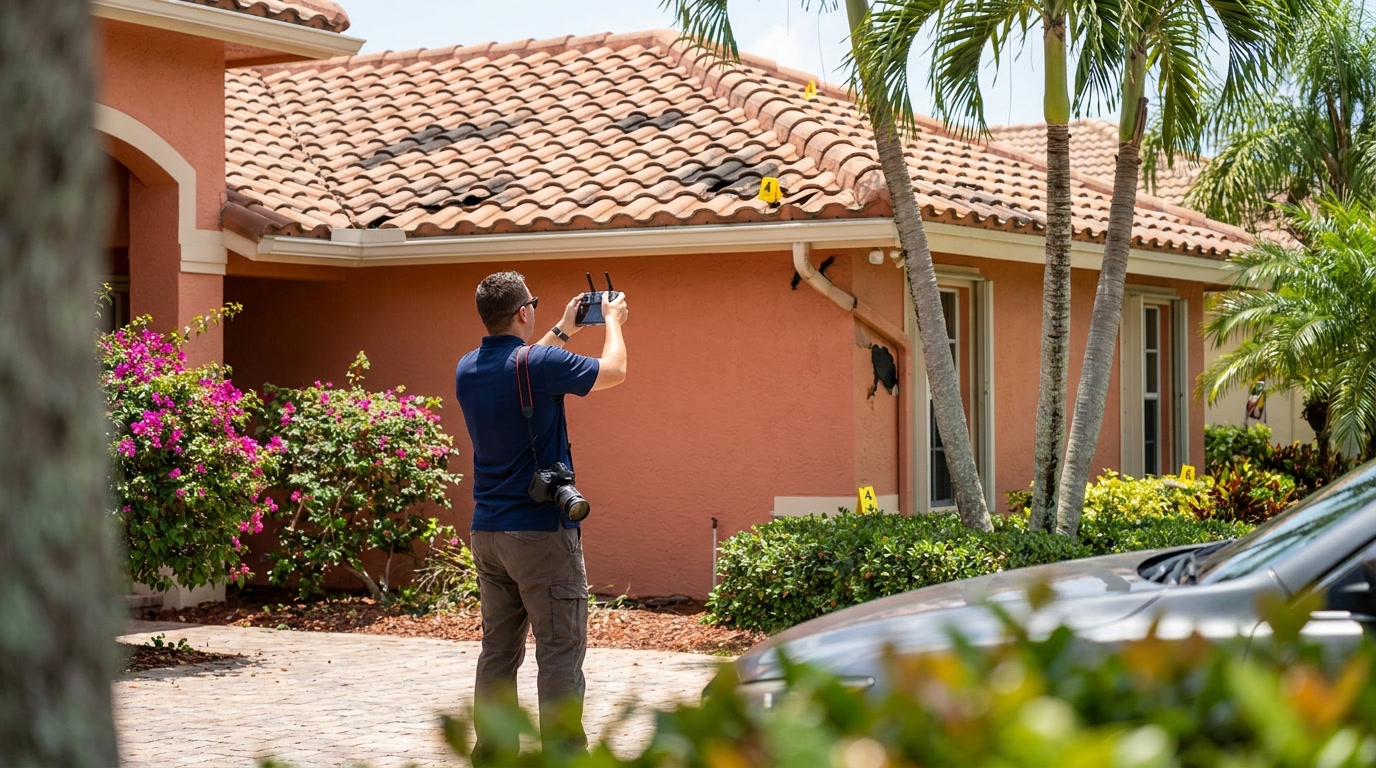
Start by documenting the damage. Take clear, detailed photos of all affected areas. Include close-ups of damaged shingles, gutters, and any debris on your roof. Don’t forget to capture interior damage, like water stains or leaks. This documentation will be your evidence when filing the claim.
Next, gather all necessary information. This includes your insurance policy details, previous claims history, and any correspondence with your insurance company. Having this information at your fingertips will make the process more efficient.
Take a close look at your insurance policy. Understand what is covered and what isn’t. Pay attention to deductibles and coverage limits. This knowledge will help you set realistic expectations for your claim.
Now that you’re prepared, it’s time to file the claim. This step is crucial, and attention to detail is paramount.
Reach out to your insurance company as soon as possible. Report the damage and provide them with the documentation you’ve gathered. Be clear and concise in your communication. Remember, the sooner you report the damage, the quicker the claims process can begin.
Once your claim is filed, an adjuster will be assigned to assess the damage. This is where LMR Public Adjusters can be invaluable. As South Florida’s premier public adjusters, they advocate for property owners to maximize insurance claims. Their personalized, dedicated team can guide you through the process, ensuring you get the compensation you deserve.
Negotiating with your insurance company can be daunting. But with the right approach, you can secure a fair settlement. Be prepared to provide additional documentation if needed. Don’t be afraid to push back if the initial offer doesn’t meet your expectations. Remember, you have the right to a fair settlement.
Once your claim is approved, it’s time to repair the damage. This step is crucial for restoring your home and preventing future issues.
Selecting the right contractor is vital. Look for someone with experience in roof repairs and a solid reputation. Get multiple quotes and check references. A reliable contractor will ensure the repairs are done correctly and efficiently.
Stay involved during the repair process. Regularly check in with your contractor and inspect the work being done. This oversight will ensure the repairs meet your expectations and comply with your insurance company’s requirements.
Once the repairs are complete, finalize the claim with your insurance company. Provide them with any necessary documentation, such as receipts and invoices. This step ensures you receive the full compensation for your repairs.
Prevention is the best defense against future wind damage. By taking proactive measures, you can protect your home and avoid the hassle of filing another claim.
Regular maintenance is key to preventing wind damage. Schedule annual inspections to catch potential issues early. Keep your roof clean and clear of debris. This proactive approach can save you time and money in the long run.
Consider reinforcing your roof to withstand high winds. This might include installing wind-resistant shingles or adding additional bracing. These measures can enhance your roof’s durability and protect your home during severe weather.
Stay informed about weather conditions in your area. Pay attention to wind advisories and take precautions when necessary. Being prepared can make all the difference when a storm hits.
Filing a claim for roof wind damage doesn’t have to be a daunting task. By understanding the process and taking proactive steps, you can navigate the claims process with confidence. Remember, LMR Public Adjusters is here to help. As South Florida’s premier public adjusters, they are dedicated to advocating for property owners and maximizing insurance claims. With their expertise and your proactive approach, you can ensure your home is protected and your claim is successful.
First, ensure your safety and that of your family. Then, document the damage with photos and videos. Contact your insurance company to report the damage and consider reaching out to LMR Public Adjusters for assistance.
Most insurance policies require you to file a claim within a specific timeframe, often 30 to 60 days after the damage occurs. Check your policy for exact details and file your claim as soon as possible.
Yes, you can make temporary repairs to prevent further damage, such as covering holes with tarps. Keep all receipts and document the repairs, as these costs may be reimbursed by your insurance company.
If your claim is denied, you can appeal the decision. Review the denial letter carefully, gather additional evidence, and consider seeking help from a public adjuster like LMR Public Adjusters to strengthen your case.
Consider installing wind-resistant shingles and reinforcing your roof structure. Regular maintenance and inspections can also help identify and address potential vulnerabilities before a storm hits.
Dania Beach, Broward County, Davie, Weston, Boca Raton, Cooper City, Coral Springs, Deerfield Beach, Fort Lauderdale, Hollywood, Parkland, Pembroke Pines, Pinecrest, Plantation, Pompano Beach, Sunrise, Fisher Island, Miramar, Delray Beach, Hallandale Beach , Lake Worth, Boynton