

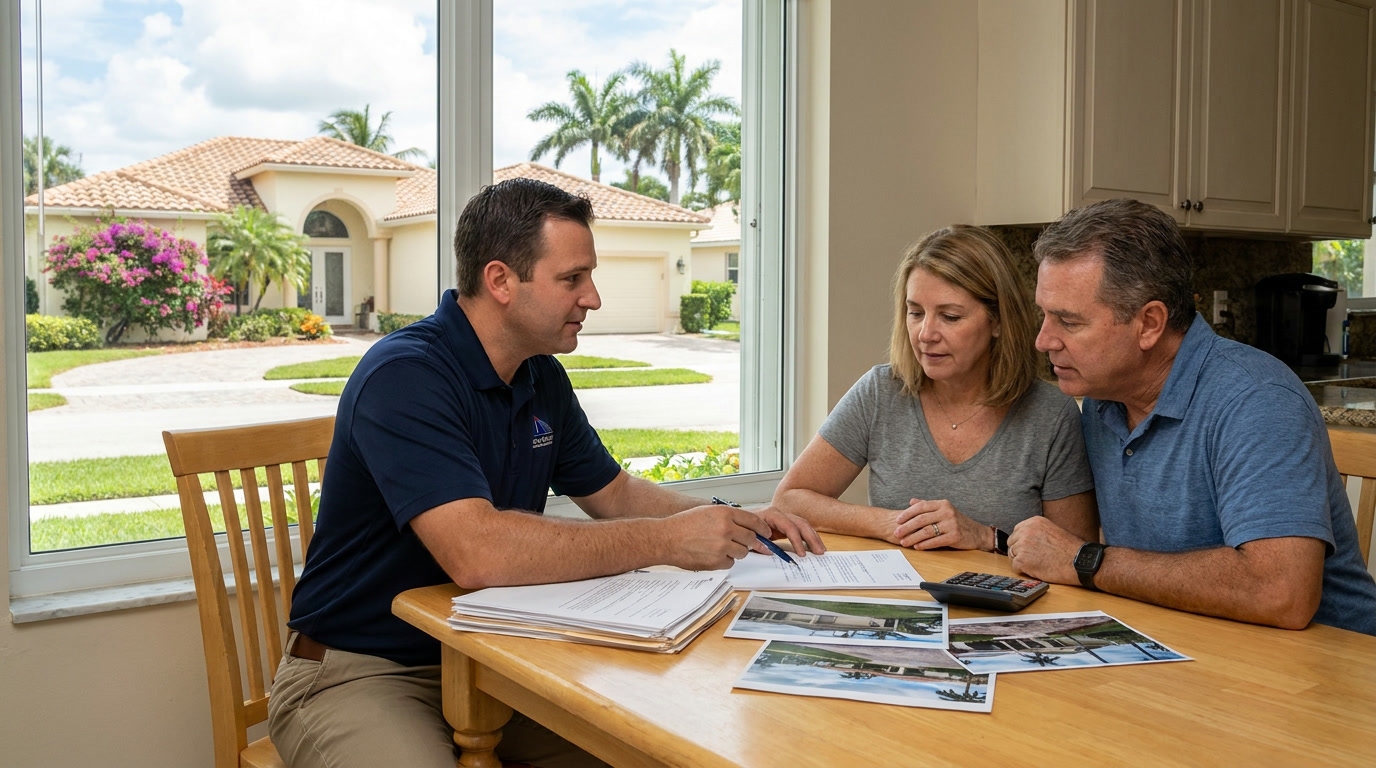
Navigating insurance claims for tornado damage can be a daunting task, especially when you’re dealing with the aftermath of such a devastating event. At LMR Public Adjusters, we understand the complexities involved in filing insurance claims for property damage, and we’re here to help. As a leading provider of full-spectrum public adjusting services in Florida, our mission is to assist homeowners and businesses in securing the maximum compensation they deserve. Specializing in storm damage, including tornado damage, our team of experienced insurance claim adjusters in Hollywood is dedicated to providing expert guidance and support throughout the claims process. Whether you’re in Miami, Fort Lauderdale, West Palm Beach, Naples, Orlando, or Tampa, we tailor our services to meet the unique needs of our clients in South Florida. Our commitment to excellence and our track record of success set us apart from other public adjusting firms. We offer a free claim assessment and operate on a contingency basis, ensuring that our interests are aligned with yours. If you’re struggling with tornado damage or any other type of property damage, contact LMR Public Adjusters today for a seamless and stress-free claims experience.
When it comes to navigating insurance claims for tornado damage, understanding your insurance policy is crucial. Insurance policies can be complex documents filled with legal jargon and industry-specific terms that can be difficult to decipher. However, having a clear understanding of your policy is essential to ensure you receive the coverage you are entitled to in the event of a tornado. This guide will help you understand key terms and coverage aspects of your insurance policy, empowering you to make informed decisions and effectively manage your claims process.
First and foremost, familiarize yourself with the "Declarations Page" of your policy. This page provides a summary of your coverage, including the policyholder’s name, the insured property, the coverage limits, and the deductible amounts. It is essential to review this page to ensure all information is accurate and up-to-date.
One of the most important terms to understand is "Coverage Limit." This refers to the maximum amount your insurance company will pay for a covered loss. For tornado damage, it is crucial to know the limits for both your dwelling and personal property coverage. According to the Insurance Information Institute, the average homeowner’s insurance policy provides coverage for wind damage, which includes tornadoes, but the extent of coverage can vary significantly depending on the policy.
Another critical term is "Deductible." This is the amount you must pay out of pocket before your insurance coverage kicks in. Policies often have different deductibles for different types of damage. For instance, windstorm or hurricane deductibles might be higher than standard deductibles. Understanding your deductible is vital because it affects how much you will need to pay in the event of a tornado claim.
"Replacement Cost" and "Actual Cash Value" are two terms that describe how your property is valued in the event of a loss. Replacement cost refers to the amount it would take to replace or repair your damaged property with materials of similar kind and quality, without deducting for depreciation. On the other hand, actual cash value takes depreciation into account, meaning you may receive less money for older items. Knowing which valuation method your policy uses can significantly impact your claim’s outcome.
It’s also important to understand "Exclusions" in your policy. These are specific situations or types of damage that are not covered by your insurance. Common exclusions might include flood damage, which is typically not covered under standard homeowner’s insurance policies and requires separate flood insurance. Reviewing the exclusions section of your policy will help you identify any potential gaps in coverage.
"Endorsements" or "Riders" are additional coverages you can purchase to enhance your policy. For example, if your area is prone to tornadoes, you might consider adding an endorsement for additional windstorm coverage. These endorsements can provide peace of mind by ensuring you have adequate protection tailored to your specific needs.
Understanding the claims process is another crucial aspect of managing tornado damage. Most policies require you to report a loss as soon as possible. This means contacting your insurance company immediately after a tornado to initiate the claims process. Documenting the damage with photos and keeping records of any temporary repairs or expenses incurred is also essential.
According to a report by the National Oceanic and Atmospheric Administration (NOAA), the United States experiences an average of 1,000 tornadoes each year, causing billions of dollars in damage. This statistic underscores the importance of being prepared and understanding your insurance policy to ensure you can recover financially from such events.
For those seeking additional guidance, consulting with a public adjuster can be beneficial. Public adjusters are professionals who advocate on behalf of policyholders during the claims process. They can help you understand your policy, assess the damage, and negotiate with your insurance company to ensure you receive a fair settlement. If you’re in Florida, you might consider reaching out to Hollywood Public Adjusters or Fort Lauderdale Public Adjusters for expert assistance.
In conclusion, understanding your insurance policy’s key terms and coverage is essential for effectively navigating insurance claims for tornado damage. By familiarizing yourself with your policy’s declarations page, coverage limits, deductibles, valuation methods, exclusions, and endorsements, you can ensure you are adequately protected and prepared to handle any claims that arise. Additionally, knowing the claims process and seeking professional assistance when needed can help you achieve a successful outcome. For more information on managing property claims, visit Property Claims or explore the Blog Page for valuable insights and tips.
Filing a tornado damage claim can be a daunting task, especially when you’re dealing with the aftermath of such a devastating event. However, understanding the process and knowing what steps to take can significantly ease the burden. The first step is to ensure your safety and the safety of your loved ones. Once everyone is safe, it’s crucial to document the damage as thoroughly as possible. Take clear, detailed photographs and videos of all affected areas, both inside and outside your property. This visual evidence will be invaluable when you file your claim.
Next, review your insurance policy to understand what is covered. Policies can vary significantly, so it’s important to know the specifics of your coverage, including any deductibles or limits. If you’re unsure about any aspect of your policy, don’t hesitate to contact your insurance company for clarification. Once you have a clear understanding of your coverage, notify your insurer about the damage as soon as possible. Most insurance companies have a specific time frame within which you must report a claim, so prompt notification is crucial.
After notifying your insurer, they will likely send an adjuster to assess the damage. It’s beneficial to be present during this assessment to ensure that all damage is accounted for. You can also consider hiring a public adjuster to represent your interests. Public adjusters are professionals who can help you navigate the claims process and ensure you receive a fair settlement.
While waiting for the adjuster, take steps to prevent further damage to your property. This might include covering broken windows or tarping a damaged roof. Keep all receipts for any temporary repairs, as these expenses may be reimbursable under your policy. It’s also wise to keep a detailed record of all communications with your insurance company, including dates, times, and the names of representatives you speak with.
Once the adjuster has completed their assessment, your insurance company will provide a settlement offer. Review this offer carefully and compare it to your own documentation of the damage. If you believe the offer is insufficient, you can negotiate with your insurer. This is another area where a public adjuster can be invaluable, as they have experience in negotiating with insurance companies.
Throughout this process, it’s important to remain patient and persistent. Insurance claims can take time to process, but staying organized and proactive can help ensure a smoother experience. For more detailed information on handling property claims, you can visit our property claims page. Additionally, if you have any questions or need further assistance, our FAQ section is a great resource for common inquiries related to insurance claims.
In conclusion, while filing a tornado damage claim can be complex, understanding the process and taking the right steps can help you navigate it successfully. By documenting the damage, understanding your policy, and working closely with your insurer, you can work towards restoring your property and moving forward after a tornado.
In conclusion, navigating insurance claims for tornado damage can be a complex and daunting process, but with the right preparation and understanding, it can be managed effectively. Start by thoroughly reviewing your insurance policy to understand your coverage and any specific requirements for filing a claim. Document the damage meticulously with photos and detailed notes, and report the claim to your insurance company as soon as possible. Keep all communication with your insurer well-documented, and don’t hesitate to seek professional assistance if needed, whether from a public adjuster or legal advisor. Remember, the key to a successful claim is persistence, attention to detail, and clear communication. By following these steps, you can ensure that you receive the compensation you deserve to rebuild and recover after a tornado. Stay informed, stay organized, and advocate for yourself throughout the process.
Dania Beach, Broward County, Davie, Weston, Boca Raton, Cooper City, Coral Springs, Deerfield Beach, Fort Lauderdale, Hollywood, Parkland, Pembroke Pines, Pinecrest, Plantation, Pompano Beach, Sunrise, Fisher Island, Miramar, Delray Beach, Hallandale Beach , Lake Worth, Boynton