
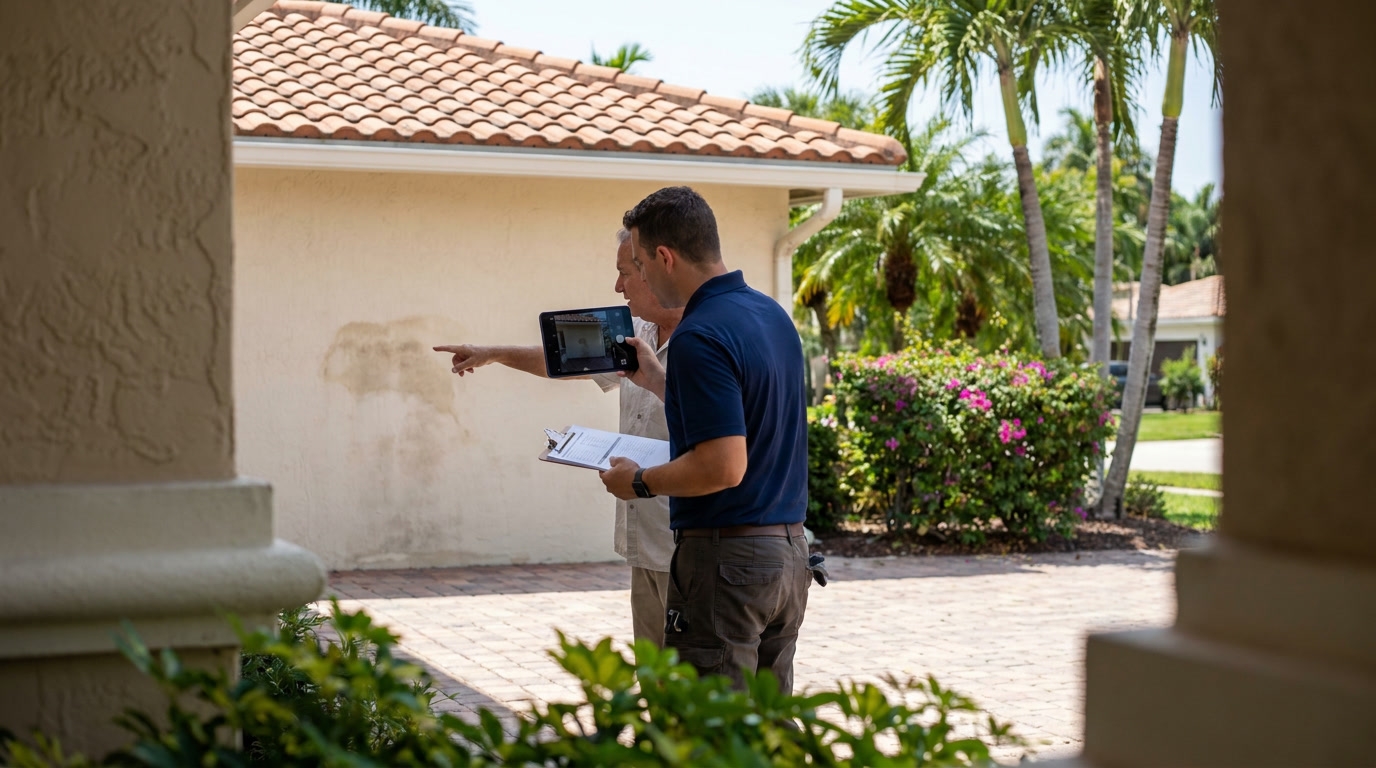
Dealing with mold in South Florida homes can be a daunting task due to the region’s humid climate, which creates the perfect breeding ground for mold growth. As a homeowner or business owner in areas like Miami, Fort Lauderdale, and West Palm Beach, understanding how to effectively manage mold is crucial to maintaining a healthy living environment. At LMR Public Adjusters, we recognize the unique challenges posed by mold damage in South Florida and are committed to helping you navigate the complexities of insurance claims related to property damage. Our team of experienced public adjusters specializes in handling mold damage claims, ensuring that you receive the maximum compensation you deserve. With our expertise, we guide you through every step of the claims process, from conducting thorough inspections to negotiating with insurance companies on your behalf. Whether you’re dealing with mold damage, storm damage, or any other type of property damage, LMR Public Adjusters is here to provide the support and expertise you need. Contact us today for a free claim assessment and take the first step towards effectively managing mold in your South Florida home.
Mold is a common issue in humid climates, particularly in regions like South Florida, where the combination of high humidity and warm temperatures creates an ideal environment for mold growth. Understanding the causes of mold in such climates is crucial for homeowners who wish to effectively manage and prevent its occurrence. Mold thrives in environments where moisture is prevalent, and in humid climates, the air itself is often saturated with moisture, providing a constant source of water for mold spores to grow and multiply.
One of the primary causes of mold in humid climates is the high level of humidity itself. According to the Environmental Protection Agency (EPA), indoor humidity levels should ideally be kept below 60% to prevent mold growth. However, in places like South Florida, outdoor humidity levels can frequently exceed this threshold, making it challenging to maintain optimal indoor conditions without the use of dehumidifiers or air conditioning systems. These systems help to reduce indoor humidity levels, but if not properly maintained, they can also become sources of moisture and mold growth themselves.
Another significant factor contributing to mold growth in humid climates is poor ventilation. Inadequate ventilation can trap moisture inside homes, particularly in areas like bathrooms, kitchens, and basements, where water usage is high. Without proper airflow, these areas can become breeding grounds for mold. Ensuring that exhaust fans are functional and that windows can be opened to allow fresh air circulation is essential in combating mold growth.
Water intrusion is another common cause of mold in humid climates. This can occur due to a variety of reasons, such as roof leaks, plumbing issues, or flooding. In South Florida, the risk of water intrusion is heightened by the frequent occurrence of heavy rains and hurricanes. When water enters a home and is not promptly and thoroughly dried, it can lead to mold growth within 24 to 48 hours. Homeowners should regularly inspect their properties for signs of water damage and address any issues immediately to prevent mold from taking hold. For more information on how to handle water-related issues, you can visit our page on water damage.
Building materials also play a role in mold susceptibility. Materials like wood, drywall, and carpet are particularly prone to mold growth when exposed to moisture. In humid climates, these materials can absorb moisture from the air, creating a conducive environment for mold. Using mold-resistant materials and paints can help reduce the risk of mold growth in vulnerable areas of the home.
Furthermore, the presence of organic materials such as dust, dirt, and food particles can provide nutrients for mold spores. Regular cleaning and maintenance are necessary to remove these potential food sources and minimize the risk of mold. Homeowners should pay special attention to areas that are often overlooked, such as behind appliances, under sinks, and in HVAC systems.
The impact of mold on health and property can be significant. Mold exposure can lead to respiratory issues, allergic reactions, and other health problems, particularly for individuals with pre-existing conditions such as asthma or weakened immune systems. Additionally, mold can cause structural damage to homes, leading to costly repairs. Therefore, understanding and addressing the causes of mold in humid climates is not only a matter of maintaining a healthy living environment but also protecting one’s investment in their property.
In conclusion, managing mold in humid climates like South Florida requires a proactive approach. By understanding the causes of mold and implementing preventative measures, homeowners can significantly reduce the risk of mold growth. Regular maintenance, proper ventilation, and the use of dehumidifiers are key strategies in this effort. For those dealing with mold issues, professional assistance may be necessary to effectively address and remediate the problem. For more insights and assistance, you can explore our mold damage page or learn more about our services by visiting our about us page.
For further reading and resources, consider the following references:
By staying informed and vigilant, homeowners can effectively manage mold and maintain a safe and healthy home environment in humid climates.
Mold growth is a common concern for homeowners in South Florida due to the region’s humid climate. Effectively preventing mold requires a combination of strategies that address the environmental conditions conducive to mold proliferation. One of the most critical steps is controlling indoor humidity levels. Mold thrives in environments where the relative humidity exceeds 60 percent. Therefore, using dehumidifiers and air conditioners can help maintain humidity levels below this threshold. Regularly checking and maintaining these appliances ensures they function efficiently, providing a consistent defense against mold growth.
Proper ventilation is another essential strategy. Ensuring that areas prone to moisture, such as bathrooms, kitchens, and laundry rooms, are well-ventilated can significantly reduce the risk of mold. Installing exhaust fans and ensuring they vent outside the home can help remove excess moisture from these areas. Additionally, opening windows and doors when weather permits can improve air circulation and reduce humidity levels indoors.
Addressing water leaks promptly is crucial in preventing mold. Regularly inspect your home for signs of leaks, particularly in areas like the roof, plumbing, and windows. Fixing leaks as soon as they are detected can prevent water accumulation, which is a primary catalyst for mold growth. It is also advisable to regularly check your home’s foundation and basement for any signs of water intrusion. If you suspect water damage, consulting with professionals can provide peace of mind and ensure that issues are resolved effectively. For more information on handling such situations, you can explore resources on water damage.
Cleaning and maintaining gutters is another preventive measure. Clogged gutters can lead to water overflow, which may seep into the home’s walls and foundation, creating a perfect environment for mold. Regularly cleaning gutters and ensuring they direct water away from the house can prevent such issues. Additionally, landscaping should be designed to direct water away from the home’s foundation.
Using mold-resistant products during home renovations or repairs can also be beneficial. Mold-resistant drywall and paints are available and can be particularly useful in areas of the home that are prone to moisture. These products provide an added layer of protection against mold growth.
Regular cleaning and maintenance routines are also vital. Dust and organic materials can provide a food source for mold, so keeping your home clean can help reduce the risk. Pay special attention to areas that are often overlooked, such as behind appliances and under sinks. Using mold-inhibiting cleaners can provide additional protection.
Monitoring indoor plants is another consideration. While plants can improve indoor air quality, overwatering them can increase humidity levels and contribute to mold growth. Ensure that plants are not overwatered and that excess water is not allowed to accumulate in trays or pots.
In the unfortunate event that mold does develop, it is important to address it promptly to prevent further spread and potential health issues. Professional mold remediation services can effectively remove mold and address the underlying causes to prevent recurrence. For those dealing with mold issues, understanding the process of mold damage claims can be beneficial.
Finally, educating yourself about mold and its prevention can empower you to take proactive steps in maintaining a mold-free home. Staying informed about the latest strategies and technologies in mold prevention can help you adapt to changing conditions and ensure your home remains safe and healthy. For more insights and tips, consider visiting our blog page for the latest updates and expert advice. By implementing these effective prevention strategies, homeowners in South Florida can significantly reduce the risk of mold growth and maintain a healthy living environment.
In conclusion, managing mold in South Florida homes requires a proactive and informed approach due to the region’s warm and humid climate. By understanding the common causes of mold growth and implementing effective prevention strategies, homeowners can protect their properties and ensure a healthy living environment. Regular maintenance, such as controlling indoor humidity levels, ensuring proper ventilation, and promptly addressing leaks and water damage, is crucial. Additionally, conducting routine inspections and using mold-resistant materials can further safeguard your home. By staying vigilant and taking these preventative measures, you can minimize the risk of mold and enjoy a safe, comfortable home in South Florida.
Dania Beach, Broward County, Davie, Weston, Boca Raton, Cooper City, Coral Springs, Deerfield Beach, Fort Lauderdale, Hollywood, Parkland, Pembroke Pines, Pinecrest, Plantation, Pompano Beach, Sunrise, Fisher Island, Miramar, Delray Beach, Hallandale Beach , Lake Worth, Boynton