

How to Document Water Damage in Basements is a crucial skill for homeowners, especially in areas prone to heavy rainfall or flooding. Have you ever wondered how to effectively record the extent of water damage to ensure a successful insurance claim? At LMR Public Adjusters, we understand the importance of thorough documentation in maximizing your insurance claims. Our team is dedicated to helping South Florida property owners navigate the complexities of insurance claims with ease and confidence.
To document water damage in your basement, start by taking clear, detailed photographs of all affected areas. Note the date and time of each photo, and capture images from multiple angles. Additionally, keep a written record of any visible damage, including descriptions of the damage and any potential causes. This article will guide you through the essential steps to ensure your documentation is comprehensive and effective.
But there’s more to learn about protecting your property and securing the compensation you deserve. With insights from industry experts and practical tips, this article will equip you with the knowledge you need. So, let’s dive into the details and explore how you can expertly document water damage in your basement.
Water damage in basements occurs when unwanted water infiltrates the area, leading to deterioration. Common causes include flooding, leaks, and poor drainage systems. Flooding can result from heavy rain or rising groundwater, while leaks often stem from faulty plumbing or cracked walls. Poor drainage exacerbates these issues by allowing water to pool around the foundation. Ignoring water damage can lead to severe consequences. Structural issues, such as weakened foundations, can arise, compromising the integrity of the entire building. Additionally, moisture creates an ideal environment for mold growth, posing health risks to occupants. Addressing these problems promptly is crucial. For more information on how to handle such situations, visit our water damage page. If you need assistance with claims, our property claims experts are ready to help. Understanding the causes and consequences of water damage is essential for maintaining a safe and healthy home environment.
Before entering a basement to assess water damage, ensure your safety. Wear protective gear like rubber boots and gloves. Check for electrical hazards by ensuring power is off. Once safe, proceed to evaluate the area. Look for signs of water damage, such as dampness on walls or floors. Stains and discoloration often indicate prolonged exposure to moisture. Musty odors can also signal mold growth, which requires immediate attention.
Documenting the initial state is crucial. Take clear photographs and detailed notes of all visible damage. This step is vital before any cleanup or repairs begin. Proper documentation helps in filing property claims and ensures accurate assessments. It also aids in tracking the progress of repairs and verifying the extent of damage.
For more guidance on handling such situations, visit our blog page. If you need professional assistance, our Fort Lauderdale public adjusters are ready to help.
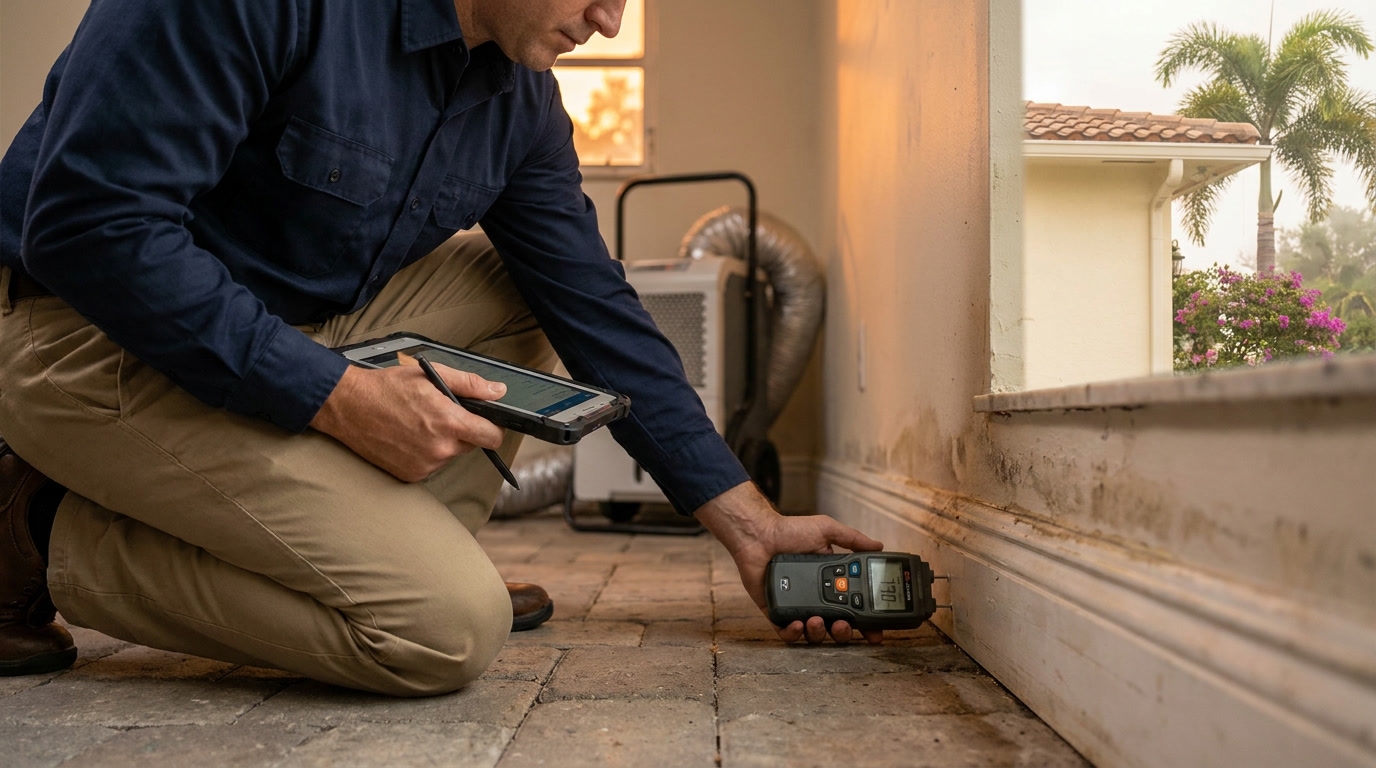
To effectively document water damage in basements, you need the right tools. A digital camera is essential for capturing clear images of the affected areas. Ensure your camera has a high resolution for detailed photos. Additionally, a moisture meter is crucial. It helps measure the moisture levels in walls and floors, providing accurate data on the extent of the damage. A notebook is also indispensable for jotting down observations and measurements.
When selecting equipment, consider the severity of the damage. For minor issues, a basic camera and moisture meter might suffice. However, extensive damage may require advanced tools. For instance, thermal imaging cameras can detect hidden moisture.
Using these tools effectively is key. Take multiple photos from different angles to capture the full scope of the damage. Use the moisture meter on various surfaces to get comprehensive readings. Document everything in your notebook, including dates and times. This thorough documentation can be invaluable when filing property claims.
For more insights, visit our blog page or learn about our services in Hollywood, FL.
To effectively document water damage in your basement, start by taking clear and comprehensive photos. Ensure your camera or smartphone is set to high resolution for detailed images. Capture the affected areas from multiple angles. Wide shots provide context, while close-ups highlight specific damage. Include photos that show the source of the water, such as leaking pipes or cracks in the foundation. For a thorough record, photograph the damage from eye level, ground level, and overhead perspectives. This variety helps convey the full extent of the issue.
Organize your photos systematically. Create folders labeled by date and location within the basement. This method makes it easier to reference specific images later. Additionally, label each photo with a brief description, such as "north wall seepage" or "floor puddle near heater." Proper organization aids in filing property claims efficiently. For more tips on managing water damage, visit our blog page. If you need professional assistance, our Fort Lauderdale public adjusters are ready to help.
Begin by noting the date and time of your observations. This establishes a clear timeline of events. Pay attention to the conditions when you first notice the damage. Is it raining heavily, or has there been a recent storm? Document these details meticulously. Look for visible signs of water damage, such as discoloration on walls or floors. Unusual smells, like musty odors, can indicate mold growth. Listen for any strange sounds, such as dripping or gurgling, which might suggest hidden leaks.
Maintaining a chronological log is crucial. It helps track the progression of damage and any changes over time. This log can be invaluable when filing property claims. Regular updates to your notes ensure you capture every detail. For more guidance, explore our blog page for tips on managing water damage. Remember, thorough documentation can significantly aid in the claims process. If you need professional assistance, consider contacting our Fort Lauderdale public adjusters for expert advice.
To accurately measure water damage in your basement, start by identifying the perimeter of the affected area. Use a tape measure to determine the length and width of each damaged section. Record these dimensions meticulously. Next, create a simple map or diagram of your basement layout. Mark the affected areas clearly, using symbols or colors to denote varying levels of damage. This visual representation will help in assessing the overall impact.
Utilize these measurements and maps when filing insurance claims or planning repairs. Precise documentation can expedite the claims process and ensure you receive adequate compensation. Additionally, it aids contractors in understanding the scope of work required. For more guidance on handling such situations, visit our blog page. If you’re dealing with extensive damage, consider consulting with Hollywood public adjusters to maximize your claim benefits.
When filing an insurance claim for water damage in your basement, thorough documentation is crucial. Insurance companies typically require detailed records, including photographs, videos, and written descriptions of the damage. Capture images from various angles to provide a comprehensive view. Include timestamps on all media to establish a timeline. Additionally, maintain a list of damaged items with their estimated values.
Organizing your evidence effectively can significantly impact your claim’s success. Create a digital folder to store all documentation, ensuring easy access and sharing. Label each file clearly, and consider using cloud storage for backup. This approach not only keeps your evidence organized but also facilitates quick retrieval when needed.
Effective communication with insurance adjusters is essential. Present your documented evidence clearly and concisely. Highlight key points and use your documentation to support your statements. This strategy can strengthen your position and expedite the claims process. For more guidance on handling insurance claims, visit our property claims page or explore our blog for additional tips.
To prevent future water damage in basements, start by improving drainage systems around your property. Ensure gutters and downspouts direct water away from the foundation. Additionally, seal any visible cracks in walls or floors to block water entry. Regularly inspect these areas to maintain their integrity. Document each preventive measure you take. Keep a detailed log with dates, descriptions, and photos of the improvements. This documentation will be invaluable for future reference and potential insurance claims. Regular inspections are crucial. They help catch early signs of water damage, such as dampness or mold. Record these inspections in your log as well. This proactive approach not only safeguards your property but also provides a comprehensive history of maintenance efforts. For more information on handling water damage, visit our water damage page. If you need assistance with property claims, check out our property claims services. Regular documentation and preventive measures are key to protecting your investment.
What should I do immediately after discovering water damage? First, ensure safety by turning off electricity in the affected area. Then, document the damage with photos and videos. Contact your insurance company promptly to report the incident. For professional assistance, consider reaching out to Fort Lauderdale public adjusters.
How can I tell if water damage is old or new? Look for discoloration and texture. New damage often appears darker and feels damp. In contrast, old damage may have dry, flaky surfaces and faded stains. Additionally, a musty odor can indicate prolonged exposure to moisture.
What are the best practices for storing documentation safely? Keep digital copies of all photos, videos, and reports. Use cloud storage for easy access and backup. Organize physical documents in waterproof containers. Regularly update your records to ensure accuracy. For more tips, visit our blog page.
For further assistance, explore our property claims services.
In conclusion, documenting water damage in basements is crucial for effective restoration and insurance claims. By thoroughly assessing the damage, taking clear photographs, and keeping detailed records, you can streamline the claims process. It’s important to act swiftly to prevent further damage and mold growth. If you’re unsure about the extent of the damage or how to proceed, consider consulting a professional. For more information on handling such situations, visit our blog page or learn about our services. Taking proactive steps now can save you time and money in the long run. If you need assistance, our Fort Lauderdale public adjusters are ready to help. Don’t wait until it’s too late; protect your property and ensure you receive the compensation you deserve.
Dania Beach, Broward County, Davie, Weston, Boca Raton, Cooper City, Coral Springs, Deerfield Beach, Fort Lauderdale, Hollywood, Parkland, Pembroke Pines, Pinecrest, Plantation, Pompano Beach, Sunrise, Fisher Island, Miramar, Delray Beach, Hallandale Beach , Lake Worth, Boynton