

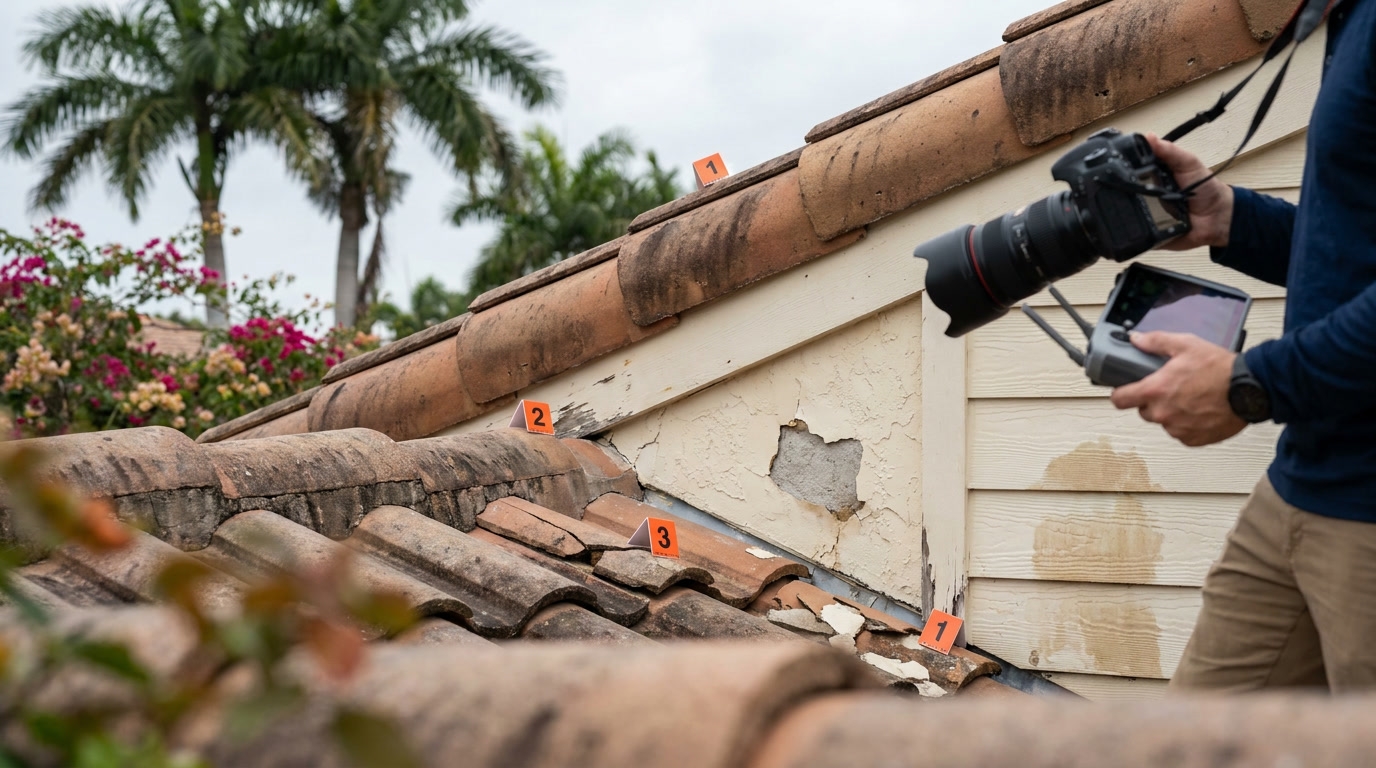
Dealing with property damage from storm surges can be a daunting task for any homeowner. These natural disasters can lead to significant destruction, leaving property owners overwhelmed and unsure of the next steps. At LMR Public Adjusters, South Florida’s premier public adjusters, we specialize in advocating for property owners to maximize their insurance claims. Our personalized and dedicated team is here to guide you through the complex process of handling storm surge damage. In this comprehensive guide, we will explore effective strategies to assess and manage property damage, ensuring you receive the compensation you deserve. By understanding the intricacies of storm surge damage and leveraging the expertise of experienced public adjusters, you can navigate the aftermath with confidence and peace of mind. Whether you’re dealing with water damage, structural issues, or other storm-related challenges, our team is committed to providing the support and expertise needed to restore your property and secure your financial recovery.
Storm surges are powerful and destructive natural phenomena that can cause significant damage to properties located near coastlines. Understanding their impact is crucial for property owners to effectively manage and mitigate potential damage. A storm surge is a rise in sea level caused by strong winds and low atmospheric pressure during a storm, often leading to severe flooding in coastal areas.
According to the National Oceanic and Atmospheric Administration (NOAA), storm surges can raise water levels by over 20 feet in extreme cases, inundating homes and businesses. This flooding can lead to extensive water damage, structural issues, and loss of personal belongings. The economic impact is substantial, with billions of dollars in damages reported annually.
Property owners should be aware of the risks and take proactive measures to protect their investments. This includes reinforcing structures, elevating utilities, and implementing flood barriers. Additionally, having a comprehensive insurance policy that covers storm surge damage is essential.
For those affected, understanding the claims process is vital. Consulting with a public adjuster can help navigate the complexities of insurance claims. For more information on how to handle property damage from storm surges, visit our property claims page or explore our blog for expert advice.
"Preparation and knowledge are key to minimizing the impact of storm surges on property."
For further reading, consider these resources:
By understanding the impact of storm surges, property owners can better prepare and protect their assets from these devastating events.
When dealing with property damage from storm surges, accurately assessing the extent of damage is crucial for effective recovery and insurance claims. Begin by conducting a thorough inspection of your property, both inside and out. Look for visible signs of damage such as structural issues, water intrusion, and compromised electrical systems. Pay special attention to areas prone to water damage, as these can lead to further complications like mold growth if not addressed promptly.
Document all damage meticulously with photographs and detailed notes. This documentation will be invaluable when filing insurance claims and can help expedite the process. Consider enlisting the help of a professional, such as a Fort Lauderdale public adjuster, who can provide expert guidance and ensure that no damage goes unnoticed. They can also assist in navigating the complexities of insurance policies and claims procedures.
Additionally, assess the impact on any commercial properties you own, as business interruptions can have significant financial implications. Understanding the full scope of damage is essential for planning repairs and mitigating further risks. By taking these steps, you can ensure a comprehensive evaluation of your property’s condition, paving the way for effective restoration and recovery. Remember, timely action is key to minimizing long-term damage and ensuring a smooth claims process.
After experiencing a storm surge, it’s crucial to take immediate steps to ensure safety and begin the recovery process. First, prioritize safety by avoiding flooded areas and downed power lines. If your property has sustained damage, document everything with photographs and videos before beginning any cleanup. This documentation is essential for filing property claims with your insurance company.
Next, contact your insurance provider as soon as possible to report the damage. Be prepared to provide detailed information and the documentation you gathered. It’s also wise to consult with a public adjuster who can help you navigate the claims process and ensure you receive a fair settlement. If you’re in the area, consider reaching out to Fort Lauderdale public adjusters for expert assistance.
While waiting for insurance assessments, take steps to prevent further damage. This might include covering broken windows or roof damage with tarps and removing water to prevent mold growth. However, avoid making permanent repairs until your insurance company has assessed the damage.
Finally, stay informed by checking local news and updates from authorities. This will help you understand the extent of the storm surge’s impact and any ongoing risks. For more tips and guidance, visit our blog page where we provide detailed advice on handling storm-related property damage.
When dealing with property damage from storm surges, documenting the damage accurately is crucial for a successful insurance claim. Begin by taking comprehensive photographs and videos of all affected areas, capturing both wide-angle shots and close-ups to detail the extent of the damage. Ensure that you include timestamps on these images to provide a clear timeline of the event. It’s also important to make a detailed inventory of damaged items, noting their condition, purchase date, and estimated value. This documentation will serve as vital evidence when filing your claim.
Next, gather any relevant receipts, warranties, or previous appraisals that can substantiate the value of your damaged property. If possible, locate your insurance policy documents to understand your coverage limits and exclusions. This will help you communicate effectively with your insurance company and adjusters.
Consider hiring a professional public adjuster to assist with the claims process. They can provide expert guidance and ensure that your claim is accurately represented. For more information on how public adjusters can help, visit our About Us page. Additionally, our FAQ section offers answers to common questions about property claims.
Finally, keep a detailed record of all communications with your insurance company, including phone calls, emails, and letters. This documentation will be invaluable if any disputes arise during the claims process. By meticulously documenting the damage and maintaining organized records, you can significantly improve your chances of a favorable insurance settlement.
Dealing with property damage from storm surges can be overwhelming, but understanding how to navigate the insurance process can significantly ease the burden. Start by thoroughly documenting the damage with photos and detailed notes. This documentation will be crucial when filing your insurance claim. Contact your insurance company as soon as possible to report the damage and initiate the claims process. Be prepared to provide them with all necessary information, including your policy number and a description of the damage.
Next, review your insurance policy to understand what is covered and what is not. Policies can vary significantly, so knowing the specifics of your coverage is essential. If you find the process daunting, consider hiring a public adjuster to assist you. Public adjusters are professionals who can help you navigate the complexities of insurance claims and ensure you receive a fair settlement. For more information on how public adjusters can assist, visit our about us page.
While waiting for the insurance adjuster to assess the damage, take steps to prevent further damage to your property. This might include temporary repairs, such as covering broken windows or tarping a damaged roof. Keep all receipts for any expenses incurred, as these may be reimbursable under your policy.
For additional guidance on handling property damage claims, explore our property claims resources. If you’re dealing with specific types of damage, such as water damage, our website offers targeted advice to help you through the process.
When dealing with property damage from storm surges, implementing effective repair and restoration strategies is crucial to restoring your home or business to its pre-damage condition. The first step is to assess the extent of the damage. This involves a thorough inspection of the property to identify areas affected by water, wind, and debris. Once the assessment is complete, prioritize repairs based on severity and potential for further damage.
Water damage is a common issue following storm surges. It’s essential to address this promptly to prevent mold growth and structural deterioration. Begin by removing standing water and drying out affected areas using dehumidifiers and fans. For more extensive damage, consider consulting with professionals who specialize in water damage restoration.
Structural repairs may include fixing roofs, walls, and foundations that have been compromised. It’s advisable to hire licensed contractors who have experience with storm-related repairs. Additionally, check for hidden issues such as mold damage and weakened support beams that could pose safety risks.
For those with insurance, filing a property claim can help cover repair costs. Understanding the claims process is vital, and resources like the property claims guide can provide valuable insights. Finally, consider implementing preventive measures to protect your property from future storm surges, such as installing flood barriers and reinforcing structures. By taking these steps, you can effectively manage and mitigate the impact of storm surge damage.
To effectively prepare for future storm surges, it is crucial to implement proactive measures that safeguard your property and minimize potential damage. Begin by assessing your property’s vulnerability to storm surges. This involves understanding the elevation and proximity to water bodies, which can be done by consulting local flood maps and historical data. Installing storm shutters and reinforcing doors and windows can significantly reduce the risk of water intrusion and wind damage. Additionally, elevating critical utilities such as electrical panels, heating systems, and appliances above potential flood levels can prevent costly water damage.
Consider landscaping modifications that direct water away from your property. This might include grading your yard or installing drainage systems. Regular maintenance of gutters and downspouts ensures they are clear of debris, allowing for efficient water flow during heavy rains. Investing in a sump pump with a battery backup can also be a wise decision to manage water accumulation in basements or low-lying areas.
For business owners, protecting commercial properties is equally important. Developing a comprehensive emergency response plan that includes employee safety protocols and data protection strategies is essential. Regularly reviewing and updating your insurance policy ensures adequate coverage for storm surge-related damages. Consulting with professionals, such as Fort Lauderdale public adjusters, can provide valuable insights and assistance in navigating the complexities of insurance claims. By taking these preventive steps, you can enhance your property’s resilience against future storm surges, ensuring peace of mind and financial protection.
In conclusion, handling property damage from storm surges requires a proactive and informed approach. By understanding the risks associated with storm surges and taking preventative measures, such as securing your property and investing in appropriate insurance coverage, you can mitigate potential damage. In the aftermath of a storm, it is crucial to assess the damage promptly, document everything meticulously, and contact your insurance provider to initiate the claims process. Additionally, engaging with professional contractors for repairs ensures that your property is restored safely and efficiently. By staying informed and prepared, you can protect your property and ensure a quicker recovery from the impacts of storm surges. Remember, resilience is key, and with the right strategies in place, you can safeguard your home and peace of mind against future storms.
Dania Beach, Broward County, Davie, Weston, Boca Raton, Cooper City, Coral Springs, Deerfield Beach, Fort Lauderdale, Hollywood, Parkland, Pembroke Pines, Pinecrest, Plantation, Pompano Beach, Sunrise, Fisher Island, Miramar, Delray Beach, Hallandale Beach , Lake Worth, Boynton