
When it comes to maintaining the integrity of your home, documenting mold in crawl spaces is a crucial step that should not be overlooked. Mold can pose significant health risks and lead to costly structural damage if not addressed promptly. At LMR Public Adjusters, South Florida’s premier public adjusters, we specialize in advocating for property owners to maximize their insurance claims. Our personalized, dedicated team is here to guide you through the process of effectively documenting mold in your crawl space. In this comprehensive guide, we’ll explore the best practices for identifying and recording mold growth, ensuring you have the necessary evidence to support your insurance claim. By understanding how to document mold correctly, you can protect your property and your investment. Whether you’re dealing with a minor mold issue or a more extensive problem, our expert tips will help you navigate the complexities of mold documentation with confidence.
Documenting mold in crawl spaces is a crucial step in maintaining the health and safety of a property. Crawl spaces, often hidden from view, can become breeding grounds for mold due to their dark, damp, and poorly ventilated conditions. Understanding the importance of documenting mold in these areas is essential for homeowners, property managers, and insurance adjusters alike. Mold can cause significant structural damage and pose serious health risks, making its documentation a vital part of property maintenance and insurance claims.
Mold thrives in environments with moisture, and crawl spaces are particularly susceptible due to their proximity to the ground and potential for water intrusion. This can occur from poor drainage, plumbing leaks, or high humidity levels. When mold is left unchecked, it can spread rapidly, compromising the structural integrity of the building and leading to costly repairs. Moreover, mold spores can infiltrate the living areas of a home, affecting indoor air quality and posing health risks such as allergies, respiratory issues, and other illnesses.
Documenting mold in crawl spaces serves several important purposes. Firstly, it provides a clear record of the extent and severity of the mold problem, which is essential for planning effective remediation strategies. Without proper documentation, it can be challenging to assess the full scope of the issue and determine the necessary steps to address it. This documentation typically includes photographs, written descriptions, and sometimes even video footage, providing a comprehensive overview of the situation.
Secondly, documentation is crucial for insurance purposes. Many insurance policies require detailed evidence of mold damage before approving claims. By thoroughly documenting the mold in crawl spaces, property owners can support their claims and increase the likelihood of receiving compensation for remediation costs. This is particularly important for those dealing with extensive mold damage, as remediation can be expensive and time-consuming. For more information on how to handle such claims, you can visit our property claims page.
Furthermore, documenting mold in crawl spaces can help prevent future issues. By identifying the sources of moisture and the conditions that led to mold growth, property owners can take proactive measures to mitigate these factors and prevent recurrence. This might include improving drainage, sealing leaks, or installing vapor barriers. Regular inspections and documentation can also help catch mold problems early, before they become severe.
In addition to these practical benefits, documenting mold in crawl spaces is important for legal and compliance reasons. In some regions, there are regulations and standards regarding mold remediation and disclosure, particularly in rental properties and commercial buildings. Proper documentation ensures that property owners comply with these regulations and can provide evidence of their efforts to address mold issues. For more insights on managing mold in commercial settings, visit our commercial properties page.
Finally, documenting mold in crawl spaces can provide peace of mind for property owners and occupants. Knowing that the issue is being monitored and addressed can alleviate concerns about health risks and property damage. It also demonstrates a commitment to maintaining a safe and healthy living environment, which can be particularly reassuring for tenants and potential buyers.
In conclusion, documenting mold in crawl spaces is an essential practice for maintaining property health, supporting insurance claims, preventing future issues, and ensuring compliance with regulations. By taking the time to thoroughly document mold problems, property owners can protect their investments and ensure the safety and well-being of their occupants. For more tips on managing mold and other property issues, check out our blog page.
For further reading, consider these resources:
"Mold thrives in environments with moisture, and crawl spaces are particularly susceptible due to their proximity to the ground and potential for water intrusion."
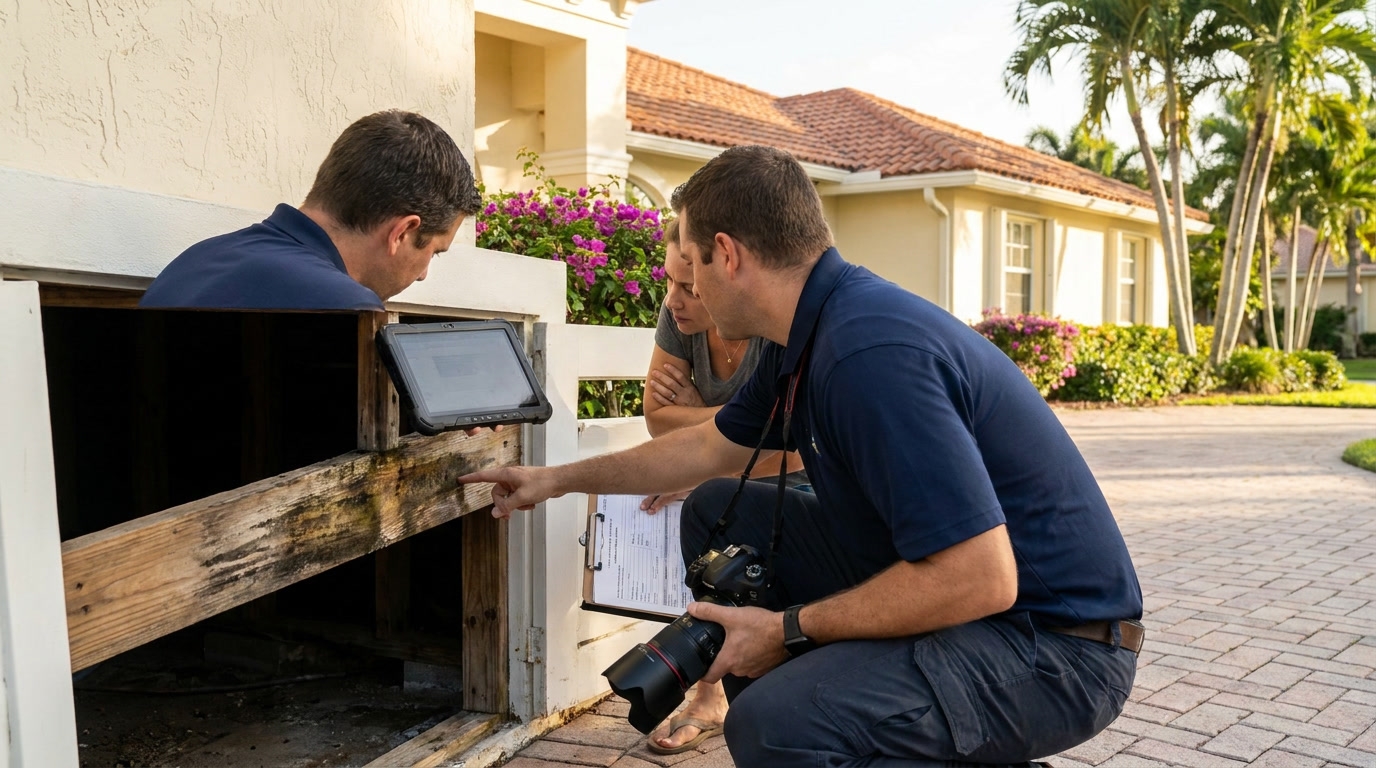
When documenting mold in crawl spaces, having the right tools and equipment is crucial to ensure accurate and comprehensive records. This process not only helps in assessing the extent of mold damage but also aids in formulating an effective remediation plan. One of the primary tools needed is a high-quality digital camera. A camera with good resolution is essential for capturing detailed images of the mold-affected areas. These images serve as visual evidence and are vital for insurance claims and professional assessments. Additionally, a moisture meter is indispensable for detecting moisture levels in the crawl space. Mold thrives in damp environments, so identifying areas with high moisture content can help pinpoint potential mold growth sites.
Another essential tool is a flashlight or a headlamp, which is necessary for illuminating dark and confined spaces within the crawl space. Proper lighting ensures that no mold growth goes unnoticed. A hygrometer is also useful for measuring humidity levels, as high humidity can contribute to mold proliferation. For safety, personal protective equipment (PPE) such as gloves, masks, and protective eyewear is crucial to protect against mold spores and other harmful particles.
Documentation tools like a notebook or a digital device for taking notes are important for recording observations and measurements. This information is critical when filing property claims or consulting with professionals. For more advanced documentation, a thermal imaging camera can be used to detect temperature variations that may indicate moisture intrusion, a common precursor to mold growth.
In addition to these tools, having a basic understanding of mold types and their characteristics can be beneficial. This knowledge can be enhanced by consulting resources such as the blog page of experts in mold damage. Furthermore, using a smartphone or tablet with internet access can be helpful for real-time research or to contact professionals for advice.
For those dealing with extensive mold issues, consulting with a professional public adjuster can be invaluable. They can provide guidance on the documentation process and help navigate the complexities of insurance claims. If you are located in Florida, you might consider reaching out to local experts such as Fort Lauderdale public adjusters for assistance.
In summary, documenting mold in crawl spaces requires a combination of essential tools and equipment, along with a strategic approach to ensure thorough and accurate records. This process not only aids in effective mold remediation but also supports successful insurance claims and professional consultations.
Inspecting crawl spaces for mold is a crucial task for maintaining the health and safety of your home. Mold in crawl spaces can lead to serious health issues and structural damage if not addressed promptly. This step-by-step guide will help you thoroughly inspect your crawl space for mold, ensuring you document any findings accurately. Before you begin, make sure you have the necessary protective gear, such as gloves, a mask, and goggles, to protect yourself from mold spores and other potential hazards.
Start by preparing the area for inspection. Ensure that the crawl space is well-lit, either by using a flashlight or installing temporary lighting. This will help you see clearly and identify any signs of mold. Next, check for any signs of moisture, as mold thrives in damp environments. Look for leaks, condensation, or standing water, which could indicate a plumbing issue or poor ventilation. If you find any water damage, it may be necessary to address these issues first to prevent further mold growth. For more information on handling water-related issues, you can visit our water damage page.
Once the area is prepared, begin your inspection by examining the walls, floors, and any exposed wood or insulation. Mold often appears as black, green, or white spots and may have a musty odor. Pay close attention to corners and areas where moisture is likely to accumulate. Use a moisture meter to measure the humidity levels in the crawl space, as high humidity can contribute to mold growth. Document any mold you find by taking clear photographs and noting the location and extent of the growth. This documentation will be crucial if you need to file a property claim or seek professional remediation services.
In addition to visual inspection, consider testing the air quality in the crawl space. Mold spores can become airborne and affect the air quality in your home. You can use a mold test kit to collect air samples and send them to a lab for analysis. This will help you determine the type and concentration of mold present, which can guide your remediation efforts. If you are unsure about conducting these tests yourself, it may be beneficial to hire a professional mold inspector.
After completing your inspection, review your findings and determine the next steps. If the mold growth is extensive, it may be necessary to hire a professional mold remediation service to safely remove the mold and prevent future growth. For smaller areas of mold, you may be able to clean the affected areas yourself using appropriate cleaning solutions and techniques. However, it is important to address the underlying moisture issues to prevent the mold from returning.
Finally, consider implementing preventative measures to protect your crawl space from future mold growth. This may include improving ventilation, installing a vapor barrier, or using a dehumidifier to control humidity levels. Regularly inspect your crawl space for signs of moisture and mold, and address any issues promptly to maintain a healthy home environment. For more tips and information on mold prevention and remediation, visit our mold damage page.
By following this step-by-step guide, you can effectively inspect your crawl space for mold and take the necessary actions to protect your home and health. Remember, early detection and intervention are key to preventing mold-related issues, so make crawl space inspections a regular part of your home maintenance routine.
When it comes to documenting mold in crawl spaces, capturing high-quality photographs is essential for accurate assessment and effective communication with professionals. Crawl spaces are often dark, cramped, and difficult to navigate, making it challenging to take clear and informative photos. However, by following best practices, you can ensure that your photographs are useful for mold remediation experts and insurance claims. First, always prioritize safety. Wear appropriate personal protective equipment, such as gloves, masks, and goggles, to protect yourself from mold spores and other potential hazards. Ensure that you have a reliable flashlight or headlamp to illuminate the area, as natural light is often insufficient in crawl spaces. A flashlight with adjustable brightness can help highlight specific areas of concern. When photographing mold, use a camera with a high resolution to capture detailed images. If using a smartphone, ensure that the lens is clean and the settings are optimized for low-light conditions. Consider using the camera’s HDR mode to balance the exposure and capture more detail in both shadows and highlights. Take multiple shots from different angles to provide a comprehensive view of the mold growth. Close-up shots are crucial for identifying the type of mold and assessing the extent of the damage. Include a reference object, such as a ruler or a coin, in the frame to provide scale. This will help professionals gauge the size of the mold-affected area. In addition to close-ups, take wide-angle shots to show the mold in relation to the surrounding environment. This context is important for understanding how the mold is spreading and identifying potential sources of moisture. Pay attention to the composition of your photos. Ensure that the mold is in focus and centered in the frame. Avoid using the digital zoom feature, as it can reduce image quality. Instead, physically move closer to the subject if possible. After taking the photos, review them to ensure they are clear and informative. Edit the images if necessary to enhance brightness and contrast, but avoid altering the photos in a way that misrepresents the mold’s appearance. Organize the photos in a logical sequence, labeling each image with relevant details such as the date, location, and specific area within the crawl space. This will make it easier for professionals to assess the situation and provide recommendations. For more information on handling mold issues and filing property claims, visit our blog page. If you need assistance with mold damage, our mold damage experts are here to help.
Effectively recording and organizing mold findings in crawl spaces is crucial for ensuring accurate documentation and facilitating remediation efforts. The process begins with a thorough inspection of the crawl space, identifying areas where mold is present. Use a systematic approach to cover every corner, paying special attention to areas prone to moisture accumulation, such as near plumbing fixtures or HVAC systems. Take clear, high-resolution photographs of affected areas, capturing both close-up details and wider context shots to provide a comprehensive visual record. These images will be invaluable for assessing the extent of the mold problem and for communicating with professionals or insurance adjusters.
Next, create a detailed written report to accompany the photographic evidence. This report should include the date of the inspection, the specific locations of mold growth, and any visible signs of water damage or leaks. Be sure to note the type of mold if identifiable, as different molds may require different remediation strategies. Include measurements of the affected areas to help quantify the scope of the problem. This documentation will be essential when filing property claims or seeking professional remediation services.
Organizing your findings effectively involves categorizing the information in a way that is easy to reference and update. Consider using digital tools or software designed for property management or inspection reporting. These tools often allow you to upload photos, input data, and generate reports that can be easily shared with stakeholders. Ensure that all documentation is backed up securely, either in cloud storage or on a physical drive, to prevent loss of information.
For those dealing with mold issues in commercial properties, it is particularly important to maintain a clear and organized record. This not only aids in addressing the current problem but also serves as a valuable resource for future inspections and maintenance. Regularly update your records with any new findings or changes in the condition of the crawl space to keep your documentation current.
Finally, consider consulting with a professional public adjuster to review your documentation. They can provide guidance on how to strengthen your records for insurance purposes and ensure that you are adequately prepared to handle any claims. If you are located in Florida, you might find it beneficial to connect with local experts such as Fort Lauderdale public adjusters who have experience dealing with mold-related issues in the area. By following these steps, you can effectively record and organize mold findings in crawl spaces, ensuring that you are well-prepared to address the issue and protect your property.
When you discover mold in your crawl space, it’s crucial to report the issue promptly to either the homeowner or a professional. Proper documentation and communication can prevent further damage and ensure a swift resolution. Start by gathering all necessary information about the mold issue. Take clear photographs of the affected areas, capturing the extent of the mold growth and any visible damage. These images will serve as visual evidence when discussing the problem with homeowners or professionals. It’s also helpful to note any unusual odors or health symptoms experienced by those living in the home, as these can be indicators of mold presence.
Once you have documented the mold, reach out to the homeowner or a professional mold remediation service. If you are a tenant, inform your landlord immediately, as they are responsible for maintaining the property. Provide them with the photographs and any other relevant information you have collected. This will help them understand the severity of the issue and take appropriate action. If you are the homeowner, consider contacting a professional mold remediation company to assess and address the problem. Professionals have the expertise and equipment necessary to safely remove mold and prevent its recurrence.
In your communication, be clear and concise about the location and extent of the mold. Explain any steps you have already taken to mitigate the issue, such as increasing ventilation or using dehumidifiers. This shows that you are proactive and concerned about the property’s condition. If you are unsure about the next steps, ask for guidance from the homeowner or professional. They may recommend specific actions or schedule an inspection to evaluate the situation further.
It’s also important to understand the potential impact of mold on property value and health. Mold can cause significant damage to structures and pose health risks to occupants, particularly those with respiratory issues or allergies. By addressing the problem promptly, you can minimize these risks and protect the property’s value. For more information on how mold can affect properties, you can visit the mold damage section on our website.
If the mold issue is related to water intrusion, such as a leaky pipe or poor drainage, it may be necessary to address these underlying causes to prevent future mold growth. In such cases, consulting with a professional who specializes in plumbing damage or water damage restoration can be beneficial. They can identify and repair the source of moisture, ensuring a comprehensive solution to the problem.
Finally, keep a record of all communications and actions taken regarding the mold issue. This documentation can be valuable if disputes arise or if you need to file an insurance claim. Understanding the process of filing property claims can also be helpful in navigating any potential financial implications of mold damage. By taking these steps, you can effectively report mold issues and work towards a resolution that protects both the property and its occupants.
Mold growth in crawl spaces is a common issue that can lead to significant structural damage and health problems if not addressed promptly. Implementing preventative measures is crucial to reducing the risk of mold development in these areas. One of the most effective strategies is controlling moisture levels, as mold thrives in damp environments. Ensuring proper ventilation in crawl spaces is essential. Installing vents or fans can help maintain air circulation, reducing humidity and preventing moisture buildup. Additionally, using a dehumidifier can be beneficial, especially in regions with high humidity levels. It is also important to inspect and repair any leaks in plumbing or the building structure, as water intrusion is a primary cause of mold growth. Regularly checking for signs of water damage, such as stains or soft spots, can help identify potential issues before they escalate.
Sealing the crawl space is another effective method to prevent mold. This involves covering the ground with a vapor barrier, such as heavy-duty plastic sheeting, to prevent moisture from the soil from entering the space. Ensuring that the crawl space is properly insulated can also help regulate temperature and reduce condensation. Furthermore, maintaining the exterior drainage system is crucial. Gutters and downspouts should be kept clean and directed away from the foundation to prevent water from pooling near the crawl space. Landscaping should be graded to slope away from the building, minimizing the risk of water infiltration.
Regular inspections and maintenance are key to preventing mold growth. Homeowners should schedule routine checks of their crawl spaces, especially after heavy rain or during seasonal changes. During these inspections, look for any signs of mold, such as a musty odor or visible growth on surfaces. If mold is detected, it is important to address it immediately to prevent it from spreading. In some cases, professional mold remediation may be necessary to ensure thorough removal.
Educating oneself about mold prevention can also be beneficial. Understanding the conditions that promote mold growth and the steps to mitigate these factors can empower homeowners to take proactive measures. Resources such as the blog page on mold prevention and damage can provide valuable insights and tips. Additionally, consulting with experts, such as Fort Lauderdale public adjusters, can offer guidance tailored to specific situations and environments.
In conclusion, preventing mold growth in crawl spaces requires a combination of moisture control, regular maintenance, and proactive measures. By implementing these strategies, homeowners can protect their properties from the damaging effects of mold and ensure a healthier living environment. For more information on how to manage mold and other property-related issues, consider visiting the about us section of our website.
In conclusion, effectively documenting mold in crawl spaces is a crucial step in maintaining the health and safety of your home. By following a systematic approach—conducting thorough inspections, taking clear photographs, and maintaining detailed records—you can ensure that any mold issues are accurately assessed and addressed. This documentation not only aids in remediation efforts but also provides valuable evidence for insurance claims or real estate transactions. Remember, early detection and proper documentation can prevent minor mold issues from escalating into significant health hazards or costly repairs. Stay proactive, and consider consulting with professionals if you encounter extensive mold growth or if you’re unsure about the best course of action. By taking these steps, you can protect your home and its occupants from the potential dangers of mold.
Dania Beach, Broward County, Davie, Weston, Boca Raton, Cooper City, Coral Springs, Deerfield Beach, Fort Lauderdale, Hollywood, Parkland, Pembroke Pines, Pinecrest, Plantation, Pompano Beach, Sunrise, Fisher Island, Miramar, Delray Beach, Hallandale Beach , Lake Worth, Boynton