
When a fire strikes a home or business, the aftermath can be devastating. Among the most critical and often overlooked damages is the destruction of electrical wiring. Filing a fire-damaged electrical wiring claim can be a daunting process, especially when dealing with insurance companies that may attempt to minimize payouts. Navigating this process requires a deep understanding of insurance policies, documentation procedures, and the technical aspects of fire-related electrical damage. This article will guide you through every step of the process, ensuring you are well-equipped to secure the compensation you deserve.
LMR Public Adjusters is a leading provider of full-spectrum public adjusting services in Florida. Our mission is to assist homeowners and businesses in navigating the complex process of filing insurance claims for property damage. With our expertise and dedication, we strive to ensure that our clients receive the maximum compensation they deserve.
At LMR Public Adjusters, we specialize in handling various types of claims, including storm damage, water damage, mold damage, fire damage, property claims, sinkhole damage, flood damage, wind damage, pipe burst damage, plumbing damage, tornado damage, and smoke damage. No matter the extent of the damage, we are here to help.
Our target audience includes homeowners and businesses in South Florida, particularly in Miami, Fort Lauderdale, West Palm Beach, Naples, Orlando, and Tampa. We understand the unique challenges and risks associated with living in this region, and our services are tailored to meet the specific needs of our clients.
What sets us apart from other public adjusting firms is our commitment to excellence and our track record of success. Our team of experienced insurance claim adjusters in Hollywood works tirelessly to ensure that our clients receive a fair and maximum settlement for their claims. We handle every aspect of the claims process, from conducting meticulous inspections to negotiating with insurance companies on behalf of our clients.
“According to the National Fire Protection Association (NFPA), electrical distribution or lighting equipment was involved in an estimated average of 34,000 home structure fires per year between 2014 and 2018.”
This statistic underscores the importance of understanding how to properly file a fire-damaged electrical wiring claim. Electrical fires can cause extensive hidden damage, making it essential to approach the claims process with precision and care.
The first few hours and days following a fire are critical. Your actions during this time can significantly impact the outcome of your insurance claim. Here’s what you should do immediately:
Before filing a fire-damaged electrical wiring claim, it’s essential to understand what your insurance policy covers. Most homeowner and commercial property insurance policies include fire damage, but the extent of coverage can vary.
“Standard homeowners insurance policies typically cover fire damage, including damage to electrical systems, as part of the dwelling coverage.”
However, some policies may have exclusions or limitations related to electrical systems, especially if the wiring was outdated or not up to code. Review your policy carefully or consult with a public adjuster to interpret the fine print.
Understanding the root cause of the fire can help substantiate your claim. Electrical fires can result from various issues, including:
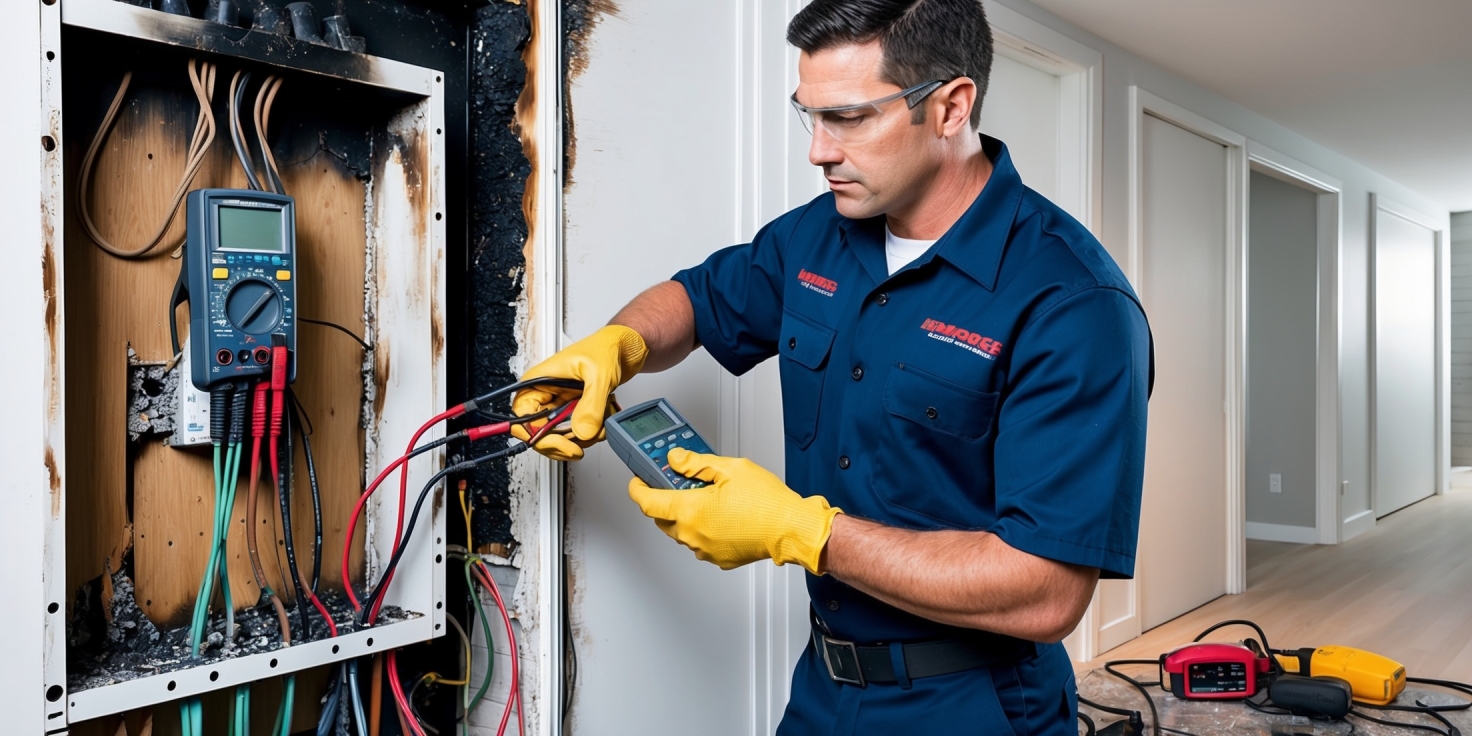
Electrical damage from a fire is not always visible. Hidden damage behind walls, in attics, or beneath floors can pose ongoing risks. A licensed electrician should conduct a thorough inspection to identify:
Filing a fire-damaged electrical wiring claim can be overwhelming, especially when dealing with insurance adjusters who may not have your best interests in mind. This is where a public adjuster can be invaluable.
“Public adjusters work on behalf of the policyholder, not the insurance company, to ensure a fair and accurate settlement.”
LMR Public Adjusters offers expert assistance in evaluating the full extent of your electrical damage, preparing detailed documentation, and negotiating with your insurance provider. Our team understands the intricacies of fire-related claims and works tirelessly to secure the compensation you deserve.
Proper documentation is the cornerstone of a successful claim. Be sure to include:
Repairing fire-damaged electrical wiring can be costly. Factors that influence the cost include:
Insurance adjusters are trained to minimize payouts. Be prepared for common tactics such as:
Having a public adjuster from LMR Public Adjusters on your side can counter these tactics effectively.
If your fire-damaged electrical wiring claim is denied, don’t lose hope. You have the right to appeal. Steps include:
While you can’t undo the past, you can take steps to prevent future incidents:
LMR Public Adjusters stands out for several reasons:
We’ve helped countless clients in Fort Lauderdale, Hollywood, Pembroke Pines, and Plantation recover from devastating property damage.
Filing a fire-damaged electrical wiring claim is a complex process that requires attention to detail, technical knowledge, and strategic negotiation. From the initial assessment to final settlement, every step matters. By understanding your policy, documenting thoroughly, and enlisting the help of professionals like LMR Public Adjusters, you can navigate this challenging journey with confidence.
“Electrical fires are not only dangerous but also financially devastating. Properly filing a claim can make the difference between a full recovery and a prolonged struggle.”
If you’ve experienced fire damage and suspect your electrical wiring has been compromised, don’t wait. Contact LMR Public Adjusters today for a free claim assessment. Our team is ready to help you secure the compensation you deserve and restore your property to its former condition.
LMR Public Adjusters
Address: 6030 Hollywood Blvd Suite 110, Hollywood, FL 33024
Phone: (954) 603-7174
Email: claims@lmrpublicadjusters.com
Website: https://www.lmrpublicadjusters.com/
Don’t let insurance companies shortchange you. Get the compensation you deserve for your fire-damaged electrical wiring claim. Contact LMR Public Adjusters today for a free, no-obligation claim assessment. Call (954) 603-7174 or visit our website to get started.
Dania Beach, Broward County, Davie, Weston, Boca Raton, Cooper City, Coral Springs, Deerfield Beach, Fort Lauderdale, Hollywood, Parkland, Pembroke Pines, Pinecrest, Plantation, Pompano Beach, Sunrise, Fisher Island, Miramar, Delray Beach, Hallandale Beach , Lake Worth, Boynton