

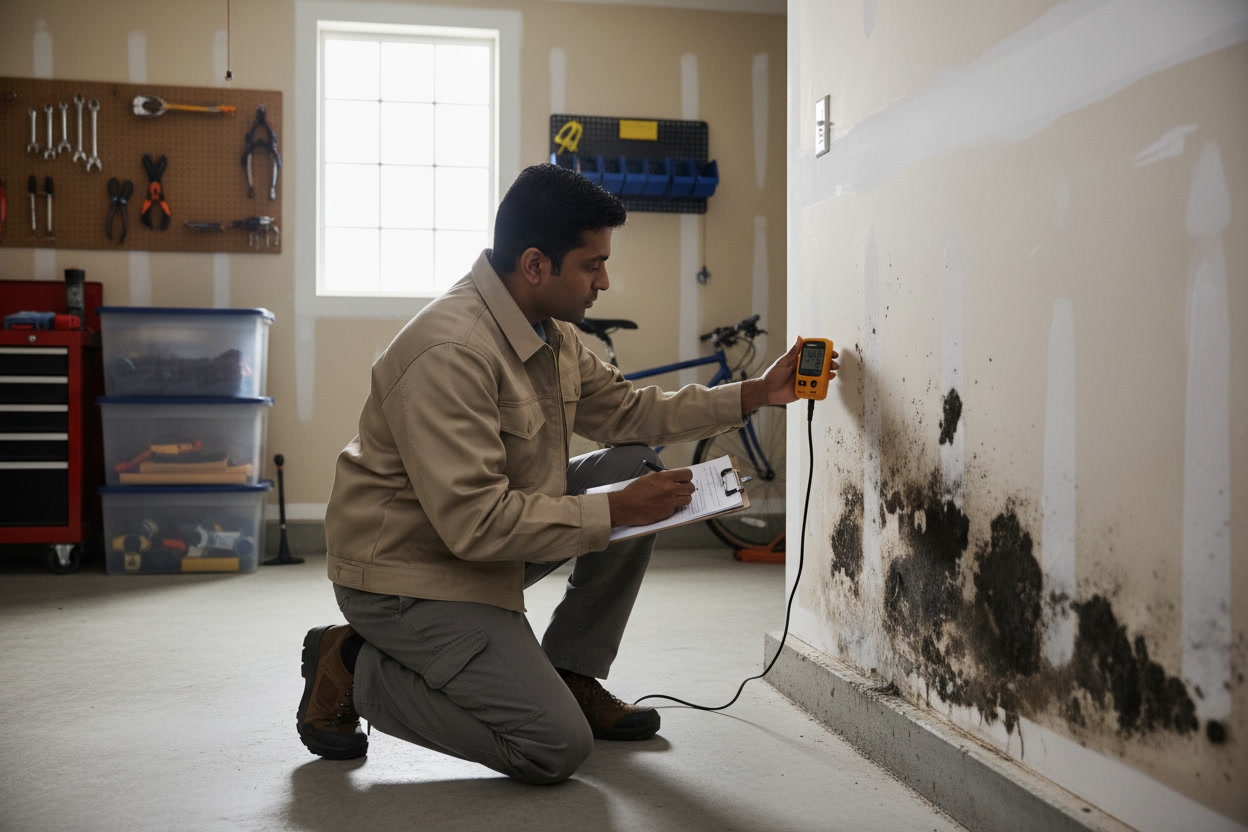
Discovering mold in your garage walls can be more than just a nuisance—it can signal serious underlying issues like water damage, poor ventilation, or hidden leaks. If you’re a homeowner or business owner in South Florida, filing a claim for mold in garage walls can be a complex and frustrating process, especially when dealing with insurance companies. At LMR Public Adjusters, we understand how overwhelming it can be to navigate mold damage claims, which is why we’re here to help you every step of the way. As a trusted provider of public adjusting services across Miami, Fort Lauderdale, West Palm Beach, Naples, Orlando, and Tampa, we specialize in mold damage claims and ensure our clients receive the maximum compensation they’re entitled to. Whether the mold is caused by storm damage, plumbing issues, or flood damage, our experienced team in Hollywood, FL, will conduct a thorough inspection, document the damage, and negotiate directly with your insurance company on your behalf. With our “No Recovery, No Fee” policy and free claim assessment, you have nothing to lose and everything to gain. Don’t let mold compromise your property’s value or your health—contact LMR Public Adjusters today and let us help you file a successful mold damage claim.
Mold growth in garage walls is a common yet often overlooked issue that can lead to significant property damage and health concerns if not addressed promptly. Understanding the underlying causes and early warning signs of mold is crucial for homeowners, especially when preparing to file a claim for mold damage. Mold thrives in environments where moisture, warmth, and organic material are present—conditions that are frequently found in garages due to their limited ventilation, exposure to the elements, and storage of various materials.
One of the primary causes of mold in garage walls is water intrusion. This can occur from several sources, including roof leaks, poor drainage, flooding, or even condensation from temperature fluctuations. Garages are particularly vulnerable because they are often not as well-insulated or sealed as other parts of the home. According to the Environmental Protection Agency (EPA), mold can begin to grow on damp surfaces within 24 to 48 hours, making timely detection and remediation essential.
Another contributing factor is humidity. In regions with high humidity levels, garages can become breeding grounds for mold if not properly ventilated. The lack of air circulation allows moisture to accumulate, especially on walls and ceilings. This is exacerbated when homeowners store damp items such as wet tools, gardening equipment, or even vehicles that bring in rainwater or snow. Over time, this moisture can seep into the walls, providing the perfect environment for mold spores to flourish.
Construction materials used in garages can also play a role. Drywall, wood, and insulation are all susceptible to mold when exposed to moisture. If the garage was built using porous materials without adequate waterproofing, the risk of mold increases significantly. Furthermore, older garages may have cracks or gaps in the walls or foundation that allow water to enter, further contributing to mold development.
Recognizing the signs of mold early can prevent extensive damage and costly repairs. Some of the most common indicators include:
It is important to note that mold can sometimes grow in hidden areas, such as behind walls or under flooring, making it difficult to detect without professional inspection. According to the Centers for Disease Control and Prevention (CDC), mold exposure can lead to symptoms such as nasal stuffiness, throat irritation, coughing, and skin irritation. In severe cases, it can cause more serious health issues, especially in children, the elderly, and those with compromised immune systems.
To prevent mold growth, homeowners should take proactive measures such as sealing cracks, improving ventilation, using dehumidifiers, and promptly addressing any water leaks. Regular inspections, especially after heavy rains or plumbing issues, can help identify potential problems before they escalate. If mold is detected, it is essential to document the damage thoroughly with photographs and written descriptions, as this information will be critical when filing a claim.
When it comes to filing a claim for mold in garage walls, understanding the root causes and early signs of mold can significantly strengthen your case. Insurance companies often require proof that the mold was caused by a covered peril, such as a sudden pipe burst or storm damage. Therefore, being able to demonstrate that the mold resulted from an insurable event, rather than long-term neglect or maintenance issues, is key to a successful claim.
For more information on how to navigate the claims process, visit our detailed guide on property claims. If you are unsure whether your policy covers mold damage, our FAQ section provides answers to common questions and can help clarify your coverage options.
In conclusion, mold in garage walls is a serious issue that requires immediate attention. By understanding the causes—such as water intrusion, humidity, and poor construction—and recognizing the signs early, homeowners can take the necessary steps to mitigate damage and protect their property. Proper documentation and knowledge of your insurance policy are essential when filing a claim. If you suspect mold in your garage, consider consulting with a professional public adjuster to ensure your claim is handled effectively and fairly.
"Mold problems can be prevented by controlling moisture indoors. When water leaks or spills occur indoors — ACT QUICKLY. If wet or damp materials or areas are dried 24-48 hours after a
Filing a mold damage insurance claim for garage walls can be a complex process, but following the right steps can significantly increase your chances of a successful outcome. The first and most crucial step is to identify the presence of mold and assess the extent of the damage. Mold in garage walls often results from water intrusion, poor ventilation, or plumbing leaks. Once you notice visible signs of mold or detect a musty odor, document everything thoroughly. Take clear photographs and videos of the affected areas, including any water stains, discoloration, or structural damage. This visual evidence will be essential when presenting your case to the insurance company.
Next, review your homeowner’s insurance policy carefully to determine whether mold damage is covered. Many policies have specific clauses regarding mold, often limiting coverage unless the mold resulted from a covered peril such as a burst pipe or storm damage. If the language in your policy is unclear, consider consulting a professional to interpret the terms. It’s also helpful to visit the FAQ section of reputable public adjuster websites to gain insights into common mold claim questions and policy limitations.
After confirming coverage, notify your insurance company immediately. Most insurers require prompt reporting of damage, and delays can jeopardize your claim. When contacting your insurer, provide them with the documentation you’ve gathered and request a claim number. Be honest and detailed in your description of the damage, but avoid speculating about the cause unless you have professional verification. It’s advisable to keep a written record of all communications with your insurance company, including dates, names of representatives, and summaries of conversations.
Hiring a licensed mold remediation specialist to inspect the damage is another critical step. These professionals can provide a detailed report outlining the type of mold, the extent of the infestation, and the necessary remediation steps. This report not only supports your claim but also ensures that the mold is properly addressed to prevent future issues. Additionally, if the mold was caused by a plumbing issue or water leak, you may need to consult a plumber or water damage expert. For more information on related issues, you can explore topics like plumbing damage and water damage to understand how these factors can influence your claim.
Once you have all the necessary documentation and professional assessments, submit your claim to the insurance company along with a detailed estimate for repairs and remediation. Be prepared for the insurer to send an adjuster to inspect the damage. During this inspection, it’s beneficial to have your own public adjuster present to ensure that the assessment is fair and comprehensive. Public adjusters work on your behalf to negotiate with the insurance company and can significantly improve the outcome of your claim.
Throughout the process, maintain organized records of all expenses related to the damage, including temporary repairs, mold testing, and remediation services. These receipts will be important when seeking reimbursement. If your claim is denied or the settlement offer is insufficient, don’t hesitate to appeal the decision. You have the right to dispute the insurer’s findings and provide additional evidence to support your case.
In summary, filing a successful mold damage insurance claim for garage walls involves prompt action, thorough documentation, professional assessments, and effective communication with your insurer. By understanding your policy, seeking expert help, and staying organized, you can navigate the claims process more confidently and secure the compensation needed to restore your property. For more guidance and support, consider learning more about the services offered by experienced public adjusters through their about us page.
In conclusion, filing a claim for mold in your garage walls can be a straightforward process if you understand your insurance policy, document the damage thoroughly, and act promptly. Mold issues, if left unaddressed, can lead to serious structural damage and health concerns, so it’s essential to take them seriously. By working closely with your insurance provider and possibly consulting a professional mold remediation expert, you can ensure that your claim is handled efficiently and that your garage is restored to a safe and healthy condition. Always remember, prevention and early detection are key to avoiding costly repairs in the future.
Dania Beach, Broward County, Davie, Weston, Boca Raton, Cooper City, Coral Springs, Deerfield Beach, Fort Lauderdale, Hollywood, Parkland, Pembroke Pines, Pinecrest, Plantation, Pompano Beach, Sunrise, Fisher Island, Miramar, Delray Beach, Hallandale Beach , Lake Worth, Boynton