
Mold in HVAC systems is a silent invader that can wreak havoc on your health and property. If you’ve discovered mold lurking in your air conditioning or heating system, you’re not alone. Many homeowners face this issue, and it can be a daunting task to tackle. But fear not! This guide will walk you through the process of filing a claim for mold in HVAC systems, ensuring you get the compensation you deserve. We’ll also introduce you to LMR Public Adjusters, South Florida’s premier public adjusters, who are dedicated to advocating for property owners like you. So, let’s dive in!
Mold is a type of fungus that thrives in damp, warm environments. It can grow on almost any surface, including your HVAC system. When mold spores are released into the air, they can cause a range of health issues, from allergies to respiratory problems. Mold in HVAC systems is particularly concerning because it can spread throughout your home, affecting indoor air quality.
Mold in HVAC systems often develops due to moisture buildup. This can happen when there’s a leak, poor ventilation, or high humidity levels. The dark, enclosed spaces of HVAC systems provide the perfect breeding ground for mold. Regular maintenance and inspections can help prevent mold growth, but sometimes it’s unavoidable.
How do you know if you have mold in your HVAC system? Look out for these signs:
If you notice any of these signs, it’s crucial to address the problem promptly.
Mold spores can trigger allergic reactions, such as sneezing, runny nose, and itchy eyes. For those with asthma or other respiratory conditions, mold exposure can exacerbate symptoms and lead to more severe health problems.
Prolonged exposure to mold in HVAC systems can have serious health consequences. It can lead to chronic respiratory issues, skin irritation, and even neurological problems. Protecting your health should be a top priority when dealing with mold.
Certain groups, such as children, the elderly, and individuals with compromised immune systems, are more susceptible to the health effects of mold. If you have vulnerable individuals in your household, it’s even more critical to address mold issues promptly.
The first step is to turn off your HVAC system to prevent further spread of mold spores. This will help contain the problem and minimize exposure.
Take photos and videos of the mold growth and any visible damage. This documentation will be crucial when filing a claim with your insurance company.
Hiring a professional mold remediation service is essential to ensure the mold is removed safely and effectively. They have the expertise and equipment needed to handle the situation.
LMR Public Adjusters are experts in helping property owners maximize their insurance claims. They can guide you through the process and ensure you receive the compensation you deserve. Visit their website to learn more about their services.
Before filing a claim, review your insurance policy to understand what is covered. Some policies may have specific exclusions or limitations for mold damage.
In addition to photos and videos, gather any relevant documents, such as maintenance records and inspection reports. This information will support your claim.
Time is of the essence when filing a claim for mold in HVAC systems. Submit your claim as soon as possible to avoid delays and potential complications.
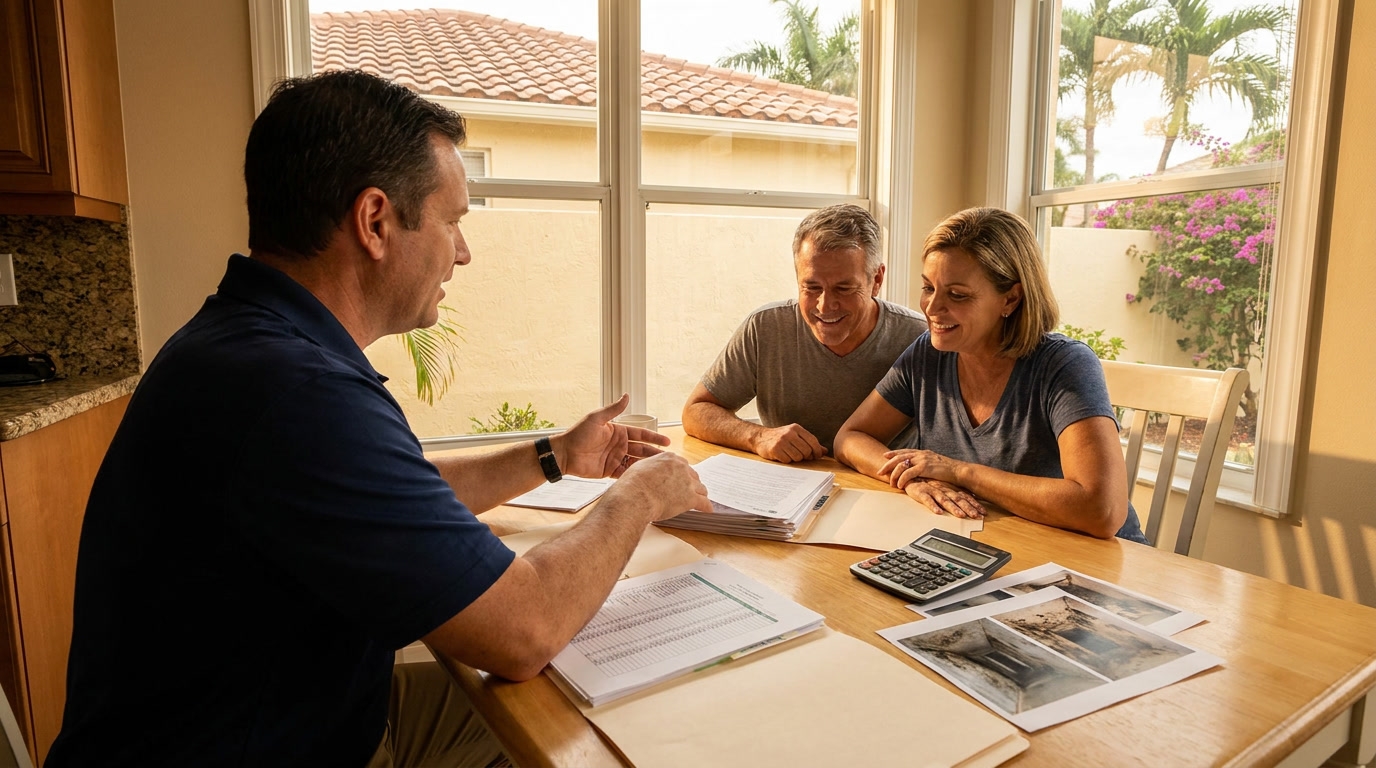
A public adjuster, like those at LMR Public Adjusters, can help you navigate the claims process. They will advocate on your behalf to ensure you receive a fair settlement.
LMR Public Adjusters are South Florida’s premier public adjusters, known for their dedication to helping property owners maximize insurance claims. They have a personalized, dedicated team ready to assist you.
LMR Public Adjusters have extensive experience handling mold claims. They understand the complexities involved and can guide you through each step of the process, from documentation to negotiation.
Choosing LMR Public Adjusters means choosing a team that is committed to your best interests. They work tirelessly to ensure you receive the compensation you deserve, allowing you to focus on restoring your home.
Regular maintenance and inspections are key to preventing mold in HVAC systems. Schedule routine check-ups with a professional to catch any issues early.
Maintaining proper humidity levels in your home can help prevent mold growth. Use dehumidifiers if necessary and ensure your home is well-ventilated.
If you notice any leaks in your HVAC system, address them promptly to prevent moisture buildup. This will help reduce the risk of mold growth.
While it’s possible to clean small areas of mold yourself, it’s generally recommended to hire a professional for HVAC systems. They have the expertise and equipment to handle the situation safely.
Coverage for mold in HVAC systems varies by policy. Review your insurance policy to understand what is covered and consult with a public adjuster for guidance.
The duration of mold remediation depends on the extent of the damage. It can take anywhere from a few days to several weeks. A professional mold remediation service can provide a more accurate timeline.
If your claim is denied, don’t lose hope. Contact a public adjuster, like LMR Public Adjusters, for assistance. They can help you appeal the decision and fight for a fair settlement.
To prevent mold from returning, maintain regular HVAC system inspections, control humidity levels, and address any leaks promptly. Consistent maintenance is key.
The cost of mold remediation varies depending on the extent of the damage and the size of the affected area. It’s best to get a quote from a professional mold remediation service for an accurate estimate.
Dealing with mold in HVAC systems can be a daunting task, but with the right approach and support, you can overcome it. Remember to document the damage, file your claim promptly, and seek the assistance of professionals like LMR Public Adjusters. By taking these steps, you can ensure a successful resolution and protect your home and health from the dangers of mold. For more information, visit LMR Public Adjusters.
Dania Beach, Broward County, Davie, Weston, Boca Raton, Cooper City, Coral Springs, Deerfield Beach, Fort Lauderdale, Hollywood, Parkland, Pembroke Pines, Pinecrest, Plantation, Pompano Beach, Sunrise, Fisher Island, Miramar, Delray Beach, Hallandale Beach , Lake Worth, Boynton