
Let’s face it—mold is more than just an eyesore. When it’s hiding in your wall cavities, it becomes a silent destroyer, eating away at your home’s structure and your peace of mind. If you’re dealing with Mold in Wall Cavities, you’re not alone—and you’re not powerless. Filing an insurance claim can be tricky, but with the right knowledge and support, you can come out on top.
In this comprehensive guide, we’ll walk you through everything you need to know about filing a claim for mold damage, especially when it’s tucked away behind your walls. And if you’re in South Florida, you’re in luck—LMR Public Adjusters are the go-to experts for navigating these claims, ensuring you get every penny you deserve.
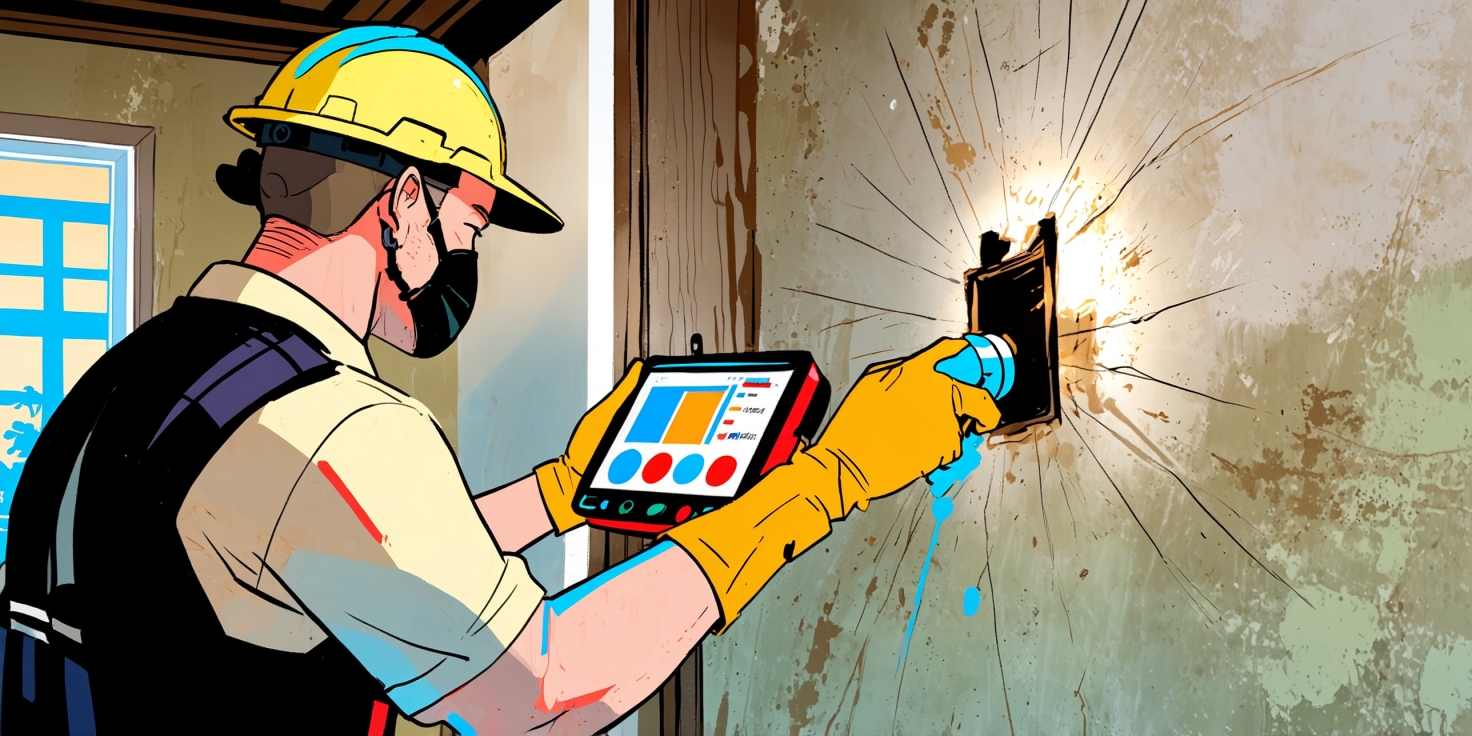
So, what exactly is mold in wall cavities? It’s the type of mold that grows in the hidden spaces between your walls—often undetected until it’s too late. This mold thrives in dark, damp environments, making wall cavities the perfect breeding ground.
Common causes include:
By the time you notice a musty smell or discoloration on your walls, the mold may have already spread extensively. That’s why early detection and swift action are crucial. LMR Public Adjusters can help assess the damage and guide you through the claims process.
It’s easy to underestimate mold, especially when it’s out of sight. But mold in wall cavities can lead to:
According to the EPA, mold exposure can cause serious health effects, especially in children, the elderly, and those with compromised immune systems. That’s why it’s vital to act fast and file a claim as soon as you suspect mold in your walls.
Wondering if you’ve got a mold problem? Here are some telltale signs:
If you notice any of these, it’s time to call in the pros. LMR Public Adjusters can help you determine the extent of the damage and whether it’s covered by your insurance policy.
Understanding the root cause of mold is key to both prevention and filing a successful claim. Here are the usual suspects:
Each of these causes may be covered under different parts of your insurance policy. That’s where LMR Public Adjusters come in—they know how to interpret your policy and fight for your rights.
Here’s the kicker—insurance companies aren’t exactly mold-friendly. Many policies have mold exclusions or strict limitations. However, if the mold is a result of a covered peril (like a burst pipe), you may be eligible for compensation.
Insurance companies often argue that mold is due to “neglect” or “lack of maintenance.” That’s why documentation and expert representation are critical. LMR Public Adjusters know how to counter these arguments and present a strong case on your behalf.
Before you pick up the phone to call your insurer, take these steps:
These steps can make or break your claim. The more evidence you have, the stronger your case will be.
Let’s be real—insurance companies have adjusters working for them. Shouldn’t you have someone in your corner too? That’s where public adjusters come in.
LMR Public Adjusters are South Florida’s premier public adjusters, advocating for property owners to maximize insurance claims with a personalized, dedicated team. They handle everything from paperwork to negotiations, ensuring you get the payout you deserve.
Here’s how LMR Public Adjusters take the stress off your shoulders:
They’ve helped thousands of homeowners across South Florida, from Fort Lauderdale to Hollywood, win their mold claims.
The claims process can be a rollercoaster. Here’s a quick breakdown:
| Step | Description |
|---|---|
| Inspection | Damage is assessed by a professional |
| Documentation | Photos, reports, and estimates are gathered |
| Claim Filing | Submitted to your insurance company |
| Negotiation | Adjusters go back and forth on the payout |
| Settlement | You receive your compensation |
With LMR Public Adjusters by your side, you’ll have peace of mind every step of the way.
It depends. Some claims are resolved in weeks, others take months. Factors include:
LMR Public Adjusters work diligently to expedite the process and keep you informed throughout.
Payouts vary widely. Some homeowners receive a few thousand dollars, while others get tens of thousands. It all depends on:
With expert help from LMR Public Adjusters, you can maximize your payout and avoid lowball offers.
Prevention is always better than cure. Here’s how to keep mold at bay:
Regular maintenance can save you thousands in repairs and claims.
Short answer: not recommended. Mold removal is best left to professionals, especially when it’s in wall cavities. DIY methods often miss hidden spores, leading to regrowth.
Instead, hire certified mold remediation experts and let LMR Public Adjusters handle the claim.
You have the right to:
Don’t let your insurer bully you into accepting less. Know your rights and stand your ground.
If your claim is denied, don’t panic. You can:
LMR Public Adjusters specialize in denied claims and can help you fight back.
Most policies cover mold only if it results from a covered peril. That’s why it’s crucial to understand your policy’s fine print. If you’re unsure, let LMR Public Adjusters review it for you.
Business owners, listen up—mold can shut down your operations and cost you big time. LMR Public Adjusters also handle commercial mold claims, helping you recover lost income and repair costs.
Mold is a red flag for buyers. It can lower your home’s value by 10-30%. Filing a claim and addressing the issue promptly can help preserve your investment.
From Pompano Beach to Plantation, LMR has helped thousands of homeowners win their mold claims. Their personalized approach and relentless advocacy make all the difference.
Mold in wall cavities is a hidden menace, but you don’t have to face it alone. With the right knowledge and the right team—like LMR Public Adjusters—you
Dania Beach, Broward County, Davie, Weston, Boca Raton, Cooper City, Coral Springs, Deerfield Beach, Fort Lauderdale, Hollywood, Parkland, Pembroke Pines, Pinecrest, Plantation, Pompano Beach, Sunrise, Fisher Island, Miramar, Delray Beach, Hallandale Beach , Lake Worth, Boynton