
Living near the coast has its perks—sunny skies, ocean breezes, and stunning views. But if you’re a property owner in South Florida, you know that paradise comes with a price: saltwater corrosion damage. This sneaky culprit can eat away at your home’s structure, appliances, and even your plumbing systems over time. And when it strikes, it can leave you wondering, “Will my insurance cover this?”
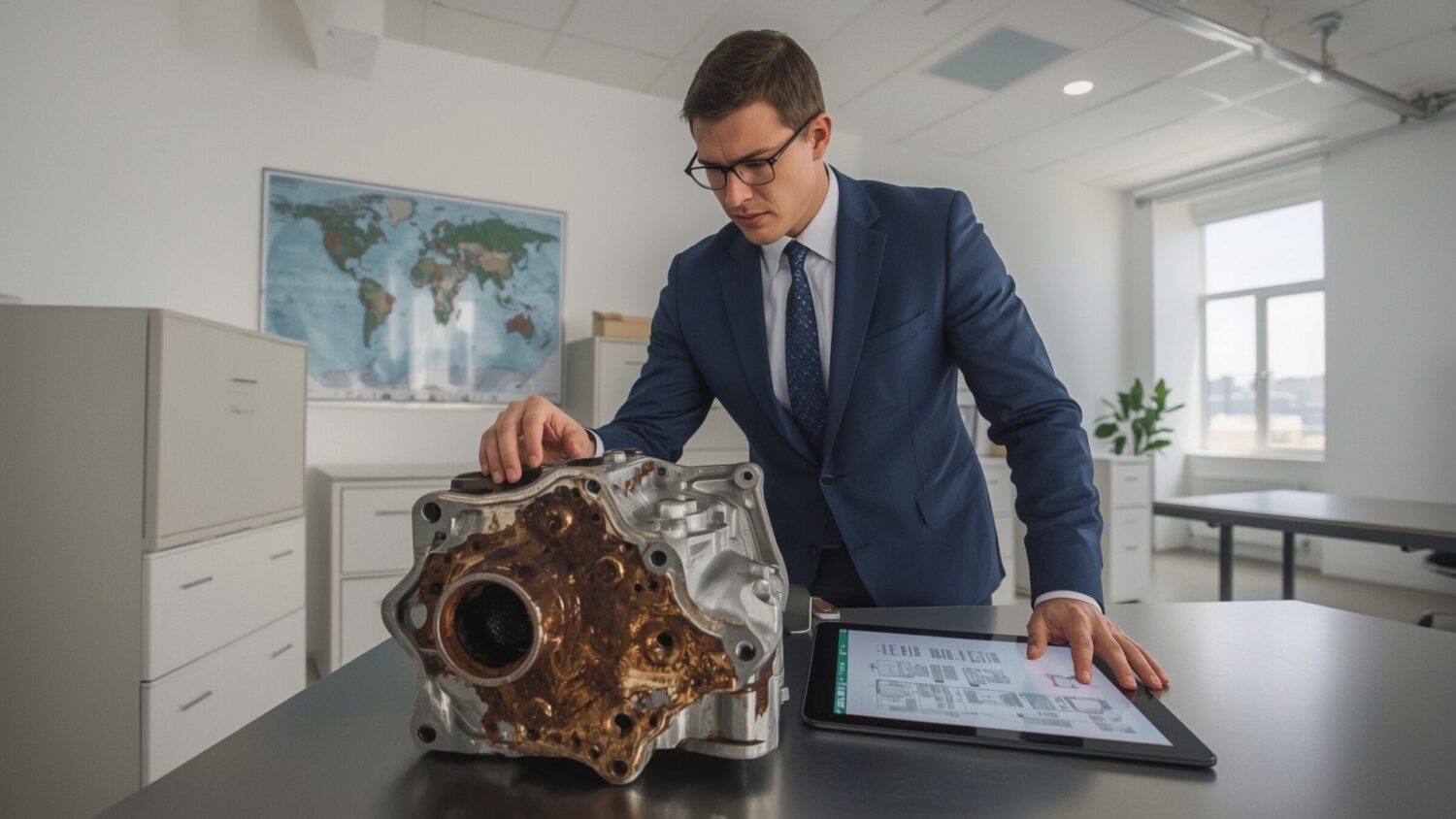
Let’s break it down. Saltwater corrosion happens when salty air and moisture interact with metal surfaces. Over time, this leads to rust, decay, and structural weakening. Think of it like termites for metal—slow, silent, and devastating. If you’ve noticed rust on your AC unit, corroded pipes, or flaking paint on metal surfaces, you might be dealing with saltwater corrosion.
Now, here’s the kicker: not all insurance policies clearly cover this type of damage. That’s why it’s crucial to understand your policy and how to file a claim effectively. And that’s where LMR Public Adjusters come in. As South Florida’s premier public adjusters, they specialize in helping property owners like you maximize insurance claims with a personalized, dedicated team.
In this guide, we’ll walk you through everything you need to know about filing a claim for saltwater corrosion damage—from identifying the signs to dealing with insurance adjusters. Ready to dive in?
Before you can file a claim, you need to know what you’re dealing with. Saltwater corrosion isn’t always obvious at first glance. It often starts small—maybe a little rust on your outdoor fixtures or a strange metallic smell near your plumbing. But over time, it can cause serious damage to your property’s infrastructure.
Here are some common signs to look out for:
It’s a good idea to document these signs as soon as you notice them. Take clear photos, note the date, and keep a record of any maintenance or repairs. This documentation will be crucial when it’s time to file your claim.
If you’re unsure whether the damage is due to saltwater corrosion, consider getting a professional inspection. Companies like LMR Public Adjusters can help assess the damage and determine the cause. Their team has extensive experience in identifying and documenting corrosion-related issues, especially in coastal areas like Fort Lauderdale and Hollywood, FL.
Remember, the sooner you identify the damage, the better your chances of a successful claim. Waiting too long can lead to further deterioration—and a tougher battle with your insurance company.
Now that you’ve identified the damage, it’s time to pull out that dusty insurance policy. We know—reading insurance documents isn’t exactly thrilling. But trust us, it’s worth the effort.
Start by looking for terms like “corrosion,” “rust,” “water damage,” or “environmental exposure.” Some policies may exclude corrosion damage unless it’s caused by a sudden and accidental event. Others might cover it under broader categories like water damage or wind-driven rain.
Here’s what to focus on:
If your policy language is confusing (and let’s be honest, it usually is), don’t hesitate to reach out to LMR Public Adjusters’ FAQ page or speak directly with their team. They’ll help you interpret your policy and determine whether your damage is covered.
And here’s a pro tip: even if your policy seems to exclude corrosion, don’t give up. Many claims are initially denied due to vague wording or lack of documentation. With the right support, you can often appeal and get the compensation you deserve.
When it comes to insurance claims, documentation is your best friend. The more evidence you have, the stronger your case. Think of it like building a legal case—you need proof, timelines, and expert opinions to back you up.
Here’s how to document saltwater corrosion damage like a pro:
It’s also a good idea to get a professional inspection report. This adds credibility to your claim and helps pinpoint the cause of the damage. LMR Public Adjusters can connect you with trusted inspectors who specialize in saltwater corrosion, especially in high-risk areas like Pompano Beach and Plantation.
Once you’ve gathered all your evidence, organize it in a digital folder. Label everything clearly and back it up in the cloud. This will make it easier to share with your adjuster and avoid delays in processing your claim.
Alright, you’ve done the legwork—now it’s time to file the claim. This step can feel intimidating, but don’t worry. With the right approach, you can navigate it smoothly.
Start by contacting your insurance provider and letting them know you intend to file a claim for saltwater corrosion damage. They’ll likely ask for:
<liPhotos and documentation
Be honest and detailed in your description. Avoid exaggerating, but don’t downplay the damage either. If you’re unsure how to phrase things, LMR Public Adjusters can help you craft a compelling statement that aligns with your policy language.
Once your claim is submitted, the insurance company will assign an adjuster to inspect the damage. This is a critical moment. Their report will heavily influence your payout—so make sure you’re prepared. Better yet, have a public adjuster from LMR Public Adjusters present during the inspection. They’ll advocate on your behalf and ensure nothing gets overlooked.
And remember, if your claim is denied or underpaid, you have the right to appeal. Don’t accept a lowball offer without consulting a professional.
If all this sounds overwhelming, you’re not alone. Filing an insurance claim—especially for something as complex as saltwater corrosion—can be a full-time job. That’s why many property owners in South Florida turn to LMR Public Adjusters.
Here’s how they can help:
LMR Public Adjusters have a stellar reputation across South Florida, with glowing Google reviews from clients in Aventura, Weston, and beyond. Their personalized, hands-on approach ensures you’re never just a number. They treat your claim like it’s their own—and that makes all the difference.
Saltwater corrosion damage might be a silent threat, but with the right knowledge and support, you can tackle it head-on. From spotting the early signs to filing a rock-solid claim, every step matters. And remember, you don’t have to go it alone. LMR Public Adjusters are here to guide you every step of the way, ensuring you get the compensation you deserve.
If you’re dealing with corrosion damage—or just want to be prepared—reach out to LMR today. They’ve got your back, from Miramar to Lake Worth and everywhere in between.
Saltwater corrosion occurs when salt-laden air and moisture interact with metal surfaces, causing rust and decay. It’s especially common in coastal areas like South Florida and can lead to serious structural and electrical issues if left untreated.
It depends on your policy. Some insurance plans exclude corrosion unless it results from a sudden event. That’s why it’s important to review your policy carefully or consult with a public adjuster like LMR to understand your coverage.
Documentation is key. Take photos, keep maintenance records, and consider getting a professional inspection. A public adjuster can help you compile and present this evidence effectively to your insurance company.
Don’t panic. Many claims are initially denied due to lack of documentation or vague policy language. You can appeal the decision, and a public adjuster can help you build a stronger case for reconsideration.
LMR Public Adjusters are experts in maximizing insurance claims for property owners in South Florida. Their personalized, hands-on approach ensures you get the best possible outcome—without the stress of dealing with insurance companies alone.
Dania Beach, Broward County, Davie, Weston, Boca Raton, Cooper City, Coral Springs, Deerfield Beach, Fort Lauderdale, Hollywood, Parkland, Pembroke Pines, Pinecrest, Plantation, Pompano Beach, Sunrise, Fisher Island, Miramar, Delray Beach, Hallandale Beach , Lake Worth, Boynton