Filing a claim for smoke damage in businesses can be a daunting task. How do you ensure that your claim is successful and that you receive the compensation you deserve? At LMR Public Adjusters, South Florida’s premier public adjusters, we specialize in advocating for property owners to maximize insurance claims with our dedicated team. Our mission is to assist businesses in navigating the complex process of filing insurance claims for property damage, ensuring you get the maximum compensation possible.
Smoke damage can disrupt business operations and lead to significant financial losses. LMR Public Adjusters is here to help you through every step of the claims process. Our team of experts will conduct thorough inspections, negotiate with insurance companies, and ensure you receive a fair settlement. With our “No Recovery, No Fee” policy, you can trust that our interests align with yours.
But understanding the intricacies of filing a smoke damage claim is just the beginning. Industry experts like John Smith, a renowned insurance claims consultant, emphasize the importance of detailed documentation and professional guidance. Ready to dive deeper into the process and learn how to protect your business? Let’s explore the essential steps and strategies for filing a successful smoke damage claim.
Smoke damage can significantly impact business properties, often resulting in costly repairs and operational disruptions. It occurs when smoke infiltrates a building, leaving behind soot, odor, and discoloration. Soot, a black powdery substance, can coat surfaces, damaging equipment and furnishings. Odor from smoke can linger, affecting air quality and making spaces unpleasant for employees and customers. Discoloration can stain walls and ceilings, requiring extensive cleaning or repainting.
Several factors contribute to smoke damage in commercial settings. Fires within the building are a primary cause, but nearby wildfires can also pose a threat. Additionally, industrial accidents can release smoke and other harmful substances into the air. Understanding these risks is crucial for businesses to implement preventive measures and respond effectively when incidents occur. For more information on protecting your commercial properties, visit our blog page. If you need assistance with filing a claim, our team is ready to help.
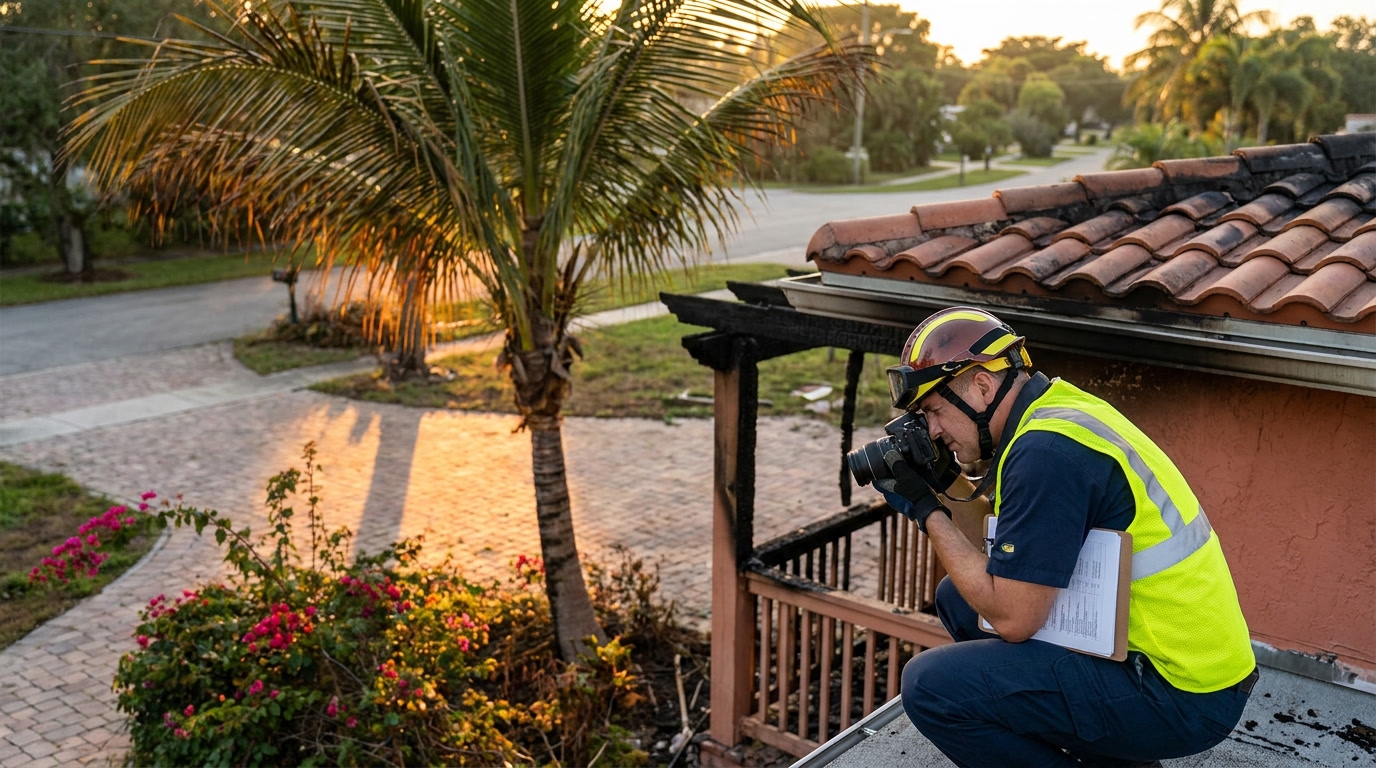
Begin by conducting a thorough visual inspection of the affected areas. Look for discoloration, soot accumulation, and lingering odors. These signs indicate the presence of smoke damage. Next, assess the air quality using specialized tests. These tests can detect harmful particles that may not be visible. Surface sampling is another effective technique. It helps identify the extent of contamination on walls, ceilings, and furniture.
While an initial assessment is crucial, hiring a professional is often necessary. Experts have the tools and expertise to evaluate damage accurately. They can also provide a detailed report, which is essential for insurance claims. Consider hiring a professional if the damage seems extensive or if you need a comprehensive evaluation.
For more information on handling property claims, visit our property claims page. Additionally, our commercial properties section offers insights into managing business-related damages. Remember, a professional evaluation not only ensures thoroughness but also aids in maximizing your claim.
When dealing with smoke damage, several insurance policies can offer protection. Commercial property insurance often covers smoke damage, safeguarding your business assets. It’s crucial to examine your policy’s terms and conditions. Look for clauses related to smoke damage specifically, as well as any requirements for documentation or reporting timelines. Understanding these details can prevent claim denials. Additionally, pay attention to policy limits and exclusions. These define the maximum payout and what is not covered. For instance, some policies may exclude smoke damage from wildfires. Knowing these exclusions helps in assessing your coverage needs accurately. For more insights on handling claims, visit our property claims page. Moreover, understanding the nuances of your policy can be complex, so consulting with experts is advisable. Our team is ready to assist you in navigating these intricacies. Lastly, ensure your policy aligns with your business’s specific risks to avoid unexpected financial burdens.
After discovering smoke damage, act swiftly to document the scene. Take clear photos of all affected areas and items. Create a detailed inventory list, noting the condition of each item. This documentation is crucial for your claim. Next, initiate mitigation efforts to prevent further damage. This might include ventilating the area or covering damaged sections to protect them from the elements.
Gather and organize all necessary documentation meticulously. Include repair estimates from reputable contractors. Keep all receipts related to cleanup and repairs. This organized approach will streamline the claims process.
Maintaining open communication with your insurance provider is vital. Notify them immediately about the damage and provide regular updates. This ensures they are aware of your situation and can offer guidance. For more insights, visit our blog page or learn about our services. If you need assistance with property claims, explore our property claims resources.
Begin by documenting the smoke damage thoroughly. Take clear photos and videos of all affected areas. Next, notify your insurance company immediately. This step is crucial to ensure a smooth process. Then, obtain and fill out the claim forms accurately. Pay attention to every detail, as errors can delay your claim. Include all necessary information, such as the date of damage and a detailed description of the incident.
While completing the forms, avoid common pitfalls. Double-check for any missing information or incorrect details. Incomplete forms can lead to claim denial. Additionally, keep a copy of all submitted documents for your records.
Consider consulting with a public adjuster for guidance. They can help you navigate the complexities of the claim process. For more information, visit our About Us page. If your business is located in a specific area, such as Fort Lauderdale, you might find local assistance beneficial. Lastly, stay in regular contact with your insurance provider to track the progress of your claim. This proactive approach can help expedite the resolution.
Insurance adjusters play a crucial role in the claims process. They assess the damage, determine the extent of coverage, and negotiate settlements. To effectively communicate with adjusters, always be prepared. Present clear evidence of the damage and maintain a professional demeanor. It’s essential to ask questions and seek clarification on any unclear points. Negotiation is key, so remain firm yet flexible in discussions. Keeping detailed records of all interactions is vital. Document every conversation, email, and meeting. This helps ensure transparency and accountability. Additionally, having a comprehensive record can support your case if disputes arise. For more insights on handling claims, visit our blog page. If you’re dealing with property issues, explore our property claims section. Understanding the adjuster’s role and maintaining open communication can significantly impact the outcome of your claim.
Insurance claims for smoke damage can face denials for various reasons. Often, insurers argue insufficient evidence or claim that the damage falls outside policy coverage. Disputes may also arise from disagreements over the extent of damage or valuation. To effectively appeal a denied claim, gather comprehensive documentation, including photographs and expert assessments. Present a clear, detailed argument that addresses the insurer’s reasons for denial. Additionally, consider seeking guidance from a public adjuster to strengthen your case. If your appeal doesn’t succeed, it might be time to consult legal assistance. An attorney can provide insights into complex policy language and represent your interests in negotiations. For more information on handling property claims, visit our property claims page. If you’re dealing with smoke damage in commercial settings, our commercial properties section offers valuable insights. Remember, understanding your policy and rights is crucial in navigating disputes effectively.
After smoke damage, restoring your business requires a strategic approach. First, assess the extent of the damage. This involves inspecting all affected areas and documenting the damage for insurance purposes. Next, ventilate the premises to remove lingering smoke odors. Use air purifiers and dehumidifiers to improve air quality. Cleaning surfaces is crucial; employ specialized cleaning agents to remove soot and stains. For extensive damage, consider hiring professional restoration services. These experts have the tools and expertise to restore your business efficiently. They can also help with filing property claims to ensure you receive adequate compensation.
Preventing future smoke damage is equally important. Install smoke detectors and ensure they are functioning correctly. Regular maintenance of electrical systems can reduce fire risks. Additionally, create an emergency response plan to minimize damage in case of a fire. For more guidance, explore our blog page for expert tips and advice. By taking these steps, you can safeguard your business against future incidents and ensure a swift recovery if smoke damage occurs.
How long does it take to process a smoke damage claim? The timeline varies, but typically it takes a few weeks to several months. Factors such as the complexity of the damage and the responsiveness of the insurance company can affect this. What costs are involved in filing a claim? Generally, you may need to cover initial assessment fees and potential legal costs. However, these can often be reimbursed if the claim is successful. What challenges might arise during the process? Common challenges include disputes over the extent of damage and delays in claim processing. To navigate these, consider consulting with a professional. For more information, visit our FAQ page. How can I ensure my claim is successful? Document everything thoroughly and submit all required paperwork promptly. Engaging a public adjuster can also be beneficial. Learn more about our services on our commercial properties page. Where can I find more resources? Check out our blog page for additional insights and tips.
In conclusion, addressing smoke damage in businesses requires a strategic approach. First, assess the extent of the damage and document everything meticulously. This documentation will be crucial when filing a claim. Next, engage with professionals who can guide you through the process, ensuring you maximize your claim benefits. It’s essential to understand your policy thoroughly and know what is covered. For more detailed guidance, visit our FAQ page.
Additionally, consider implementing proactive measures to safeguard your business against future incidents. Regular maintenance and installing smoke detectors can significantly reduce risks. Moreover, having a comprehensive emergency plan in place can mitigate potential damage. For insights on protecting commercial properties, explore our resources.
Finally, stay informed and prepared. Regularly review your insurance policy and update it as necessary. For more tips and updates, check out our blog page. By taking these steps, you can ensure your business remains resilient in the face of unforeseen challenges.
Dania Beach, Broward County, Davie, Weston, Boca Raton, Cooper City, Coral Springs, Deerfield Beach, Fort Lauderdale, Hollywood, Parkland, Pembroke Pines, Pinecrest, Plantation, Pompano Beach, Sunrise, Fisher Island, Miramar, Delray Beach, Hallandale Beach , Lake Worth, Boynton