

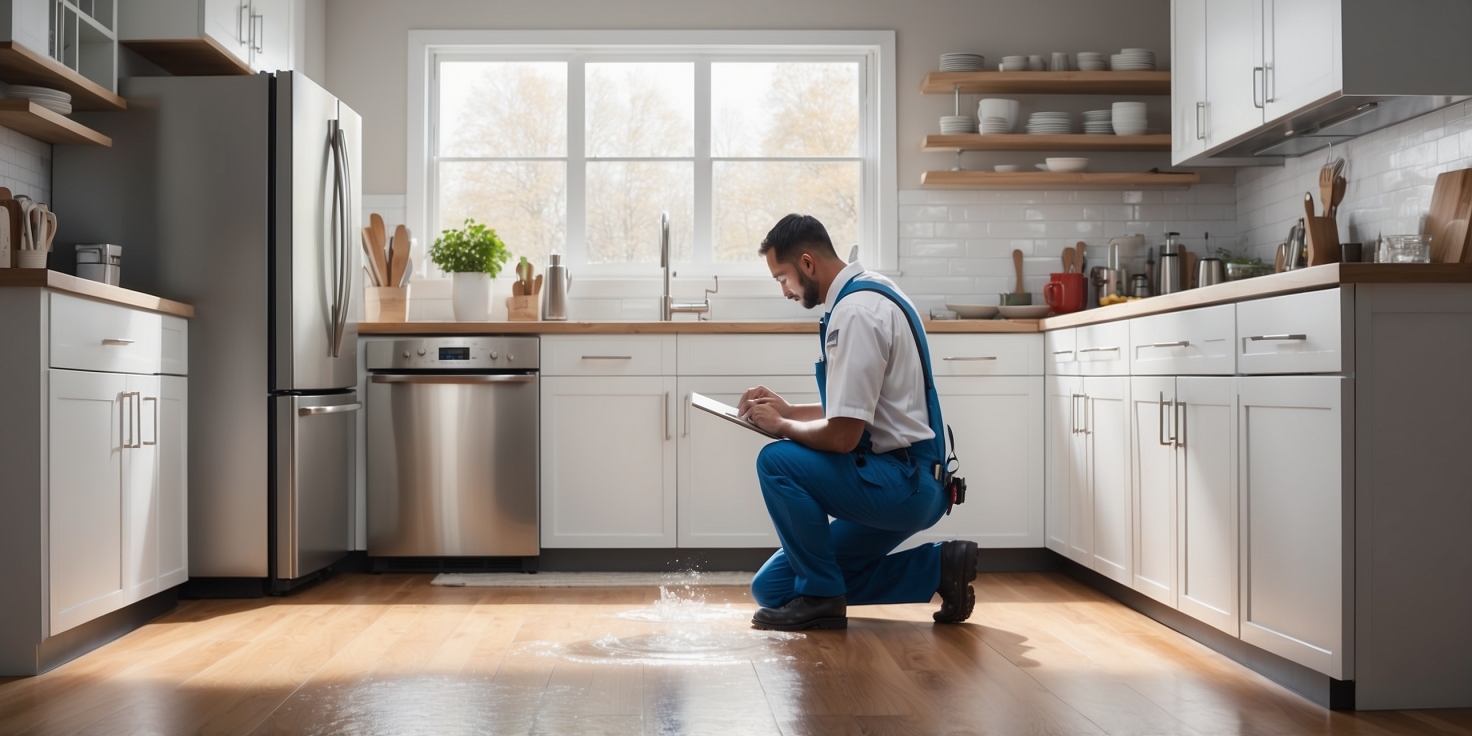
Filing a Claim for Water Damage from Ice Makers can be more complicated than most homeowners expect. Did you know that a small leak from your refrigerator’s ice maker can lead to thousands of dollars in property damage? If you live in South Florida, where humidity and water-related issues are common, this type of damage can escalate quickly. At LMR Public Adjusters, we help homeowners and businesses navigate the insurance claim process to recover what they’re rightfully owed.
Ice maker leaks often go unnoticed until significant damage occurs. This article breaks down how to identify water damage from ice makers, the steps to file a successful insurance claim, and how LMR Public Adjusters can maximize your settlement. With years of experience in water damage claims, our team ensures you don’t leave money on the table.
But there’s more to the process than just spotting a leak and calling your insurer. Industry experts like Ron Reitz, a licensed public adjuster with decades of experience, emphasize the importance of documentation and professional representation. So, if you’re ready to protect your property and get the compensation you deserve, let’s dive into the essential steps of filing a claim for ice maker water damage.
Ice makers may seem harmless, but they can trigger serious water damage. A cracked water line or loose connection can leak unnoticed for days. Clogged drains often cause overflow, soaking nearby floors and cabinets. Over time, even a slow drip can lead to costly repairs.
Homeowners should watch for early warning signs. Warped or buckling floors near the refrigerator are common indicators. Water stains on walls or ceilings may also point to hidden leaks. Mold growth behind or under appliances is another red flag that shouldn’t be ignored.
According to the Insurance Institute for Business & Home Safety, ice maker failures are among the top five causes of residential water damage. These incidents cost homeowners an average of $5,000 per claim. That number can skyrocket if the damage spreads or mold develops.
If you suspect damage, act quickly. Visit our home damaged page for expert guidance. You can also explore our property claims resources to understand your options. Early detection and action can save thousands in repairs and prevent long-term issues.
The moment you notice water damage from your ice maker, act fast. First, shut off the water supply to prevent further leakage. Then, unplug the appliance to eliminate any electrical hazards. Quickly remove nearby valuables or furniture to avoid additional loss. Use towels or a wet vacuum to soak up standing water.
Next, document everything. Take clear photos and videos of the affected areas, including the appliance, flooring, and walls. This evidence will support your insurance claim and help prove the extent of the damage. Don’t throw away damaged items until your claim is processed.
Contact a licensed professional to assess the situation. Hidden moisture can lead to mold or structural issues. A thorough inspection ensures nothing gets overlooked. For expert help with your claim, visit our property claims page or learn more about our team on the about us section.
Time is critical. Acting quickly can reduce repair costs and improve your chances of a successful insurance claim.
Homeowners insurance typically covers sudden and accidental water damage, including leaks from appliances like ice makers. However, policies often exclude gradual damage caused by wear and tear or poor maintenance. Understanding this distinction is crucial when filing a claim.
For instance, if your ice maker suddenly bursts and floods your kitchen, your policy likely covers the repair costs. On the other hand, if a slow leak has been dripping unnoticed for months, insurers may deny the claim due to negligence. Always review your policy’s exclusions and limitations to avoid surprises.
Covered scenarios usually involve unexpected events, such as a pipe bursting or a valve failing. Uncovered cases often stem from long-term corrosion or ignored maintenance issues. To strengthen your claim, document the damage immediately and contact a professional for an inspection.
If you’re unsure about your coverage, consult a licensed adjuster. Learn more about how we assist with property claims and explore our expertise in handling plumbing damage. Acting quickly can make all the difference in your claim’s outcome.
Start by contacting your insurance provider immediately after discovering the water damage. Ask for clear instructions on initiating the claim. Document everything thoroughly. Take high-resolution photos of the affected areas and damaged items. Include close-ups and wide shots for context. Gather repair estimates from licensed contractors. Keep receipts for emergency services or temporary repairs. Also, collect appliance maintenance records to show proper care.
Next, fill out the claim form accurately and submit all required documentation. Follow up regularly to ensure your claim is progressing. When speaking with the insurance adjuster, stay calm and professional. Be honest but avoid speculating. Stick to the facts and refer to your documentation. If needed, request a second opinion or independent evaluation.
For additional support, consider reviewing our property claims process or learn more about our team on the about us page. These resources can guide you through complex claim situations. Always keep a written record of all communications. This helps protect your interests and ensures transparency throughout the process.
An insurance adjuster evaluates the extent of your water damage and determines the payout for your claim. Be ready before their visit. Document everything—take clear photos, videos, and keep receipts for any emergency repairs. Create a detailed list of damaged items and areas. This preparation helps avoid delays and disputes.
Stay present during the inspection. Walk the adjuster through the damage and point out hidden issues. Ask questions and take notes. Their report directly impacts your settlement, so accuracy matters.
Afterward, contact at least three licensed contractors for repair estimates. Compare their pricing, timelines, and scope of work. This gives you leverage when negotiating with your insurer. Avoid accepting the first offer without reviewing all options.
Choose contractors familiar with insurance claims. They can help justify costs and ensure proper documentation. For more guidance, visit our property claims page or explore our FAQ section. These resources offer valuable insights into managing your claim efficiently.
Insurance companies often deny water damage claims due to poor maintenance or delayed reporting. If you fail to document the issue promptly, your claim may be rejected. Another common reason is policy exclusions that homeowners overlook. Misunderstanding coverage terms can also lead to denial.
To challenge a denied claim, start by reviewing your policy in detail. Gather all evidence, including photos, repair estimates, and communication records. Submit a written appeal with clear documentation supporting your case. Be concise and professional in your explanation.
If the insurer remains uncooperative, consider hiring a public adjuster. They understand the claims process and can negotiate on your behalf. For complex or high-value claims, legal assistance may be necessary. An attorney can help interpret policy language and protect your rights.
Explore our property claims page for more insights. If your home has suffered damage, visit our home damaged section for guidance. Acting quickly and strategically improves your chances of a successful outcome.
Regular maintenance is key to avoiding costly water damage from ice makers. Start by inspecting the water supply hose every few months. Look for cracks, bulges, or signs of wear. Replace it immediately if you notice any damage. Clean the ice maker’s filter regularly to prevent clogs and buildup. A clogged filter can cause pressure issues and leaks.
Install a water leak detector near the appliance. These devices alert you at the first sign of moisture. For added protection, consider an automatic shut-off valve. It cuts off the water supply if a leak is detected, minimizing potential damage.
Schedule professional inspections at least once a year. Technicians can identify hidden issues before they escalate. This proactive approach saves money and stress in the long run. It also helps maintain your appliance’s efficiency.
If you’ve experienced water damage before, visit our property claims page for guidance. Learn more about how we assist homeowners on our about us section. Don’t wait for another disaster—take action now to protect your home.
Repairing water damage from ice makers typically costs between $2,000 and $5,000. The final amount depends on the extent of the damage, materials affected, and labor rates. Hardwood flooring, drywall, and cabinetry often require replacement, which increases expenses.
Insurance companies assess payouts based on your policy coverage, the cause of the damage, and depreciation. They send an adjuster to evaluate the loss and determine a fair settlement. However, if the damage resulted from negligence or poor maintenance, your claim may be reduced or denied.
Policyholders must also consider deductibles, which usually range from $500 to $2,500. If the repair cost is close to your deductible, you might pay most of it out of pocket. Always review your policy details to understand what’s covered.
For more insights, visit our FAQ section or explore our property claims page. These resources help clarify what to expect during the claims process and how to maximize your payout.
A homeowner in Weston discovered a slow leak from their refrigerator’s ice maker. The damage had spread beneath the flooring. Fortunately, they contacted a public adjuster early. Their claim was approved quickly, and they received full compensation for repairs. This case highlights the value of acting fast and documenting everything.
In contrast, a family in Hollywood ignored a small puddle near their fridge for weeks. By the time they filed a claim, mold had developed. Their insurance company denied the claim, citing negligence. They later turned to a Hollywood public adjuster for help, but the payout was significantly reduced.
Another case in Fort Lauderdale involved a burst ice maker line during a vacation. The homeowners returned to extensive water damage. They filed a claim immediately and hired a Fort Lauderdale public adjuster. Their proactive approach led to a successful settlement.
These examples show how timing, documentation, and professional help can make or break a claim. Don’t wait until it’s too late. If you suspect damage, visit our water damage page to learn more.
Act fast when you spot water damage from your ice maker. Shut off the water supply immediately. Then, document everything with photos and videos. Contact your insurance provider right away to report the issue. Most homeowners policies cover sudden and accidental leaks, but check your specific coverage.
You typically have up to a year to file a claim, though this varies by policy. If your claim gets denied, you can appeal. Provide additional evidence or hire a public adjuster to strengthen your case. To prove the damage wasn’t due to neglect, show maintenance records and inspection reports.
Replacing your ice maker depends on the extent of the damage. A technician can assess whether repair or replacement is best. Always hire a licensed contractor with strong reviews. Prevent future leaks by inspecting hoses and connections regularly.
Filing a claim may raise your premiums, but not always. It depends on your insurer and claim history. If the process feels overwhelming, consider hiring a professional from our team to guide you through it.
Dania Beach, Broward County, Davie, Weston, Boca Raton, Cooper City, Coral Springs, Deerfield Beach, Fort Lauderdale, Hollywood, Parkland, Pembroke Pines, Pinecrest, Plantation, Pompano Beach, Sunrise, Fisher Island, Miramar, Delray Beach, Hallandale Beach , Lake Worth, Boynton