
Let’s start with the basics—what exactly is a roof valley, and why is it such a common troublemaker when it comes to water damage? A roof valley is the V-shaped channel where two sloping roof sections meet. It’s designed to direct rainwater and debris off your roof and into the gutters. But when things go wrong—like clogged gutters, poor installation, or aging materials—these valleys can become a major source of water intrusion.
Water damage from roof valleys isn’t just a cosmetic issue. It can lead to mold growth, rotting wood, compromised insulation, and even structural damage. If you’ve noticed water stains on your ceiling, peeling paint, or a musty smell in your attic, your roof valley might be the culprit.
In South Florida, where heavy rainstorms are a regular occurrence, roof valley issues are especially common. That’s why it’s crucial to act fast and file a claim properly. And who better to help you navigate this process than LMR Public Adjusters—South Florida’s premier public adjusters? Their dedicated team is committed to helping property owners like you maximize insurance claims with personalized support every step of the way.
Before diving into the claim process, it’s essential to understand the signs of water damage and how roof valleys play a role. If you’re unsure whether your damage qualifies, check out our FAQ page for more insights or browse our blog for real-life examples and tips.
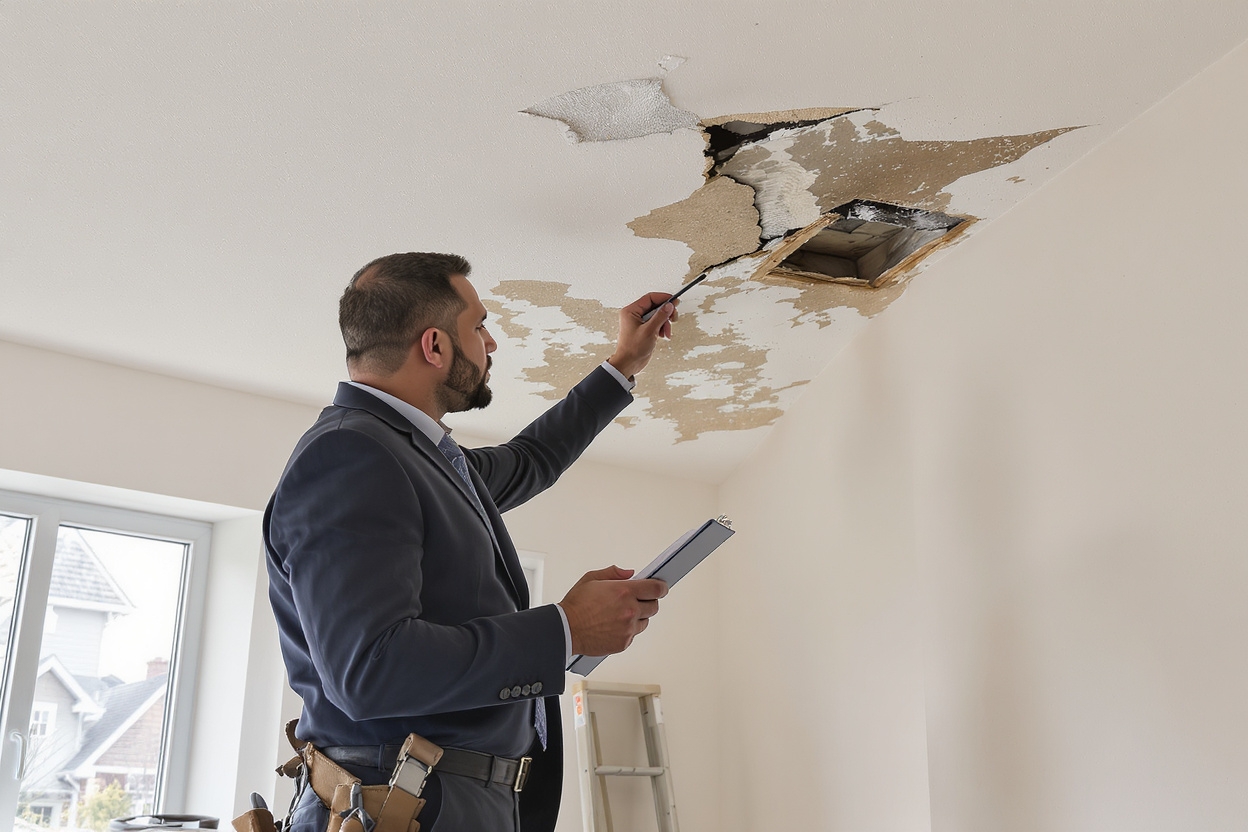
Before you even think about calling your insurance company, you need to assess the damage. This doesn’t mean climbing up on your roof with a flashlight—leave that to the professionals. But you can start by checking inside your home for signs like:
Outside, look for missing shingles, debris buildup in the valleys, or visible sagging. If you’re in a high-risk area like Fort Lauderdale or Hollywood, FL, these issues can escalate quickly due to frequent storms.
Document everything. Take clear photos and videos from multiple angles. This evidence will be crucial when filing your claim. Also, keep a written log of when you first noticed the damage and any steps you’ve taken since.
Need help identifying the extent of your damage? LMR Public Adjusters offers free inspections to help you understand what you’re dealing with. Their team knows exactly what to look for and can spot hidden damage that you might miss.
Now that you’ve documented the damage, it’s time to pull out your insurance policy. Yes, that thick packet of papers you probably haven’t looked at since you signed it. But trust me, this step is crucial.
Look for terms like “water damage,” “roof leaks,” and “storm damage.” Pay close attention to exclusions—some policies don’t cover damage due to wear and tear or lack of maintenance. If your roof is over 20 years old, your insurer might only cover a portion of the repair costs.
Also, check your deductible. If your deductible is $2,500 and the repair costs are $3,000, you might wonder if it’s even worth filing a claim. But don’t make that decision alone. LMR Public Adjusters can review your policy with you and help determine whether your claim is worth pursuing.
Still confused by all the legal jargon? You’re not alone. That’s why LMR’s personalized team is here to translate your policy into plain English and advocate on your behalf.
This might sound counterintuitive, but hear me out. Before you call your insurance company, it’s smart to reach out to a public adjuster. Why? Because once you file a claim, the insurance company sends out their own adjuster—someone who works for them, not you.
Public adjusters, like the experts at LMR Public Adjusters, work for you. They assess the damage, estimate repair costs, and negotiate with your insurer to get you the best possible payout. Think of them as your personal advocate in a system that often feels stacked against homeowners.
LMR has helped countless property owners in areas like Pembroke Pines and Plantation recover from roof valley water damage. Their team knows the ins and outs of insurance claims and can help you avoid common pitfalls that could delay or reduce your settlement.
Want to see what others are saying? Check out their Google reviews to hear real stories from satisfied clients.
Once you’ve teamed up with a public adjuster, it’s time to officially file your claim. Your adjuster will help you prepare all necessary documentation, including:
Filing a claim can be done online, over the phone, or through your insurance company’s app. Your public adjuster will guide you through the process and ensure all paperwork is submitted correctly and on time.
After filing, your insurer will assign an adjuster to inspect the damage. This is where having LMR on your side really pays off. They’ll be there during the inspection to make sure nothing is overlooked or undervalued.
Whether you’re in Parkland, Miramar, or Aventura, LMR’s team is ready to help you file with confidence and clarity.
Once the inspection is complete, your insurance company will make an initial offer. Spoiler alert: it’s often lower than what you actually need. That’s where your public adjuster steps in to negotiate on your behalf.
LMR Public Adjusters will compare the insurer’s offer with their own damage assessment and push for a fair settlement. They’ll handle all the back-and-forth communication, so you don’t have to stress over phone calls, emails, or confusing paperwork.
Negotiations can take time, but patience pays off. LMR’s team has a strong track record of increasing claim payouts for homeowners across Dania Beach, Weston, and Lake Worth. They won’t stop until you get the compensation you deserve.
Once a settlement is reached, you’ll receive your payout and can begin repairs. Make sure to keep all receipts and invoices, as your insurer may request proof of completed work.
Now that your claim is settled and repairs are underway, let’s talk prevention. Roof valley water damage can be a recurring issue if not properly addressed. Here are some tips to keep your roof in top shape:
Consider investing in a waterproof underlayment for added protection. And if you live in a storm-prone area like Hollywood or Pinecrest, it’s worth having your roof inspected after every major storm.
Need help finding a reliable contractor? LMR Public Adjusters can connect you with trusted professionals in your area. They’re more than just claim experts—they’re your partners in property protection.
Filing a claim for water damage from roof valleys doesn’t have to be a nightmare. With the right knowledge, documentation, and support, you can navigate the process smoothly and secure the compensation you need to restore your home. Remember, you don’t have to go it alone. LMR Public Adjusters—South Florida’s premier public adjusters—are here to advocate for you every step of the way.
From residential to commercial properties, their personalized, dedicated team is committed to maximizing your insurance claim and helping you get back on your feet. Don’t wait—reach out today and take the first step toward peace of mind.
A roof valley is the area where two roof slopes meet, forming a V-shape that channels rainwater off the roof. If not properly maintained or installed, it can trap debris and water, leading to leaks and water damage inside your home.
Review your policy for terms like “roof leak,” “storm damage,” or “water intrusion.” Coverage often depends on the cause of the damage—sudden events like storms are usually covered, while gradual wear and tear may not be. A public adjuster can help interpret your policy.
It’s best to contact a public adjuster first. They work for you, not the insurance company, and can help you prepare your claim, assess the damage, and negotiate a better settlement.
It varies depending on the complexity of the damage and your insurer’s responsiveness. With a public adjuster like LMR, the process is often faster and more efficient, as they handle all the paperwork and negotiations for you.
Absolutely! LMR handles a wide range of claims including wind damage, mold damage, plumbing issues, and pipe bursts. Their team is equipped to handle any property damage claim with expertise and care.
Dania Beach, Broward County, Davie, Weston, Boca Raton, Cooper City, Coral Springs, Deerfield Beach, Fort Lauderdale, Hollywood, Parkland, Pembroke Pines, Pinecrest, Plantation, Pompano Beach, Sunrise, Fisher Island, Miramar, Delray Beach, Hallandale Beach , Lake Worth, Boynton