
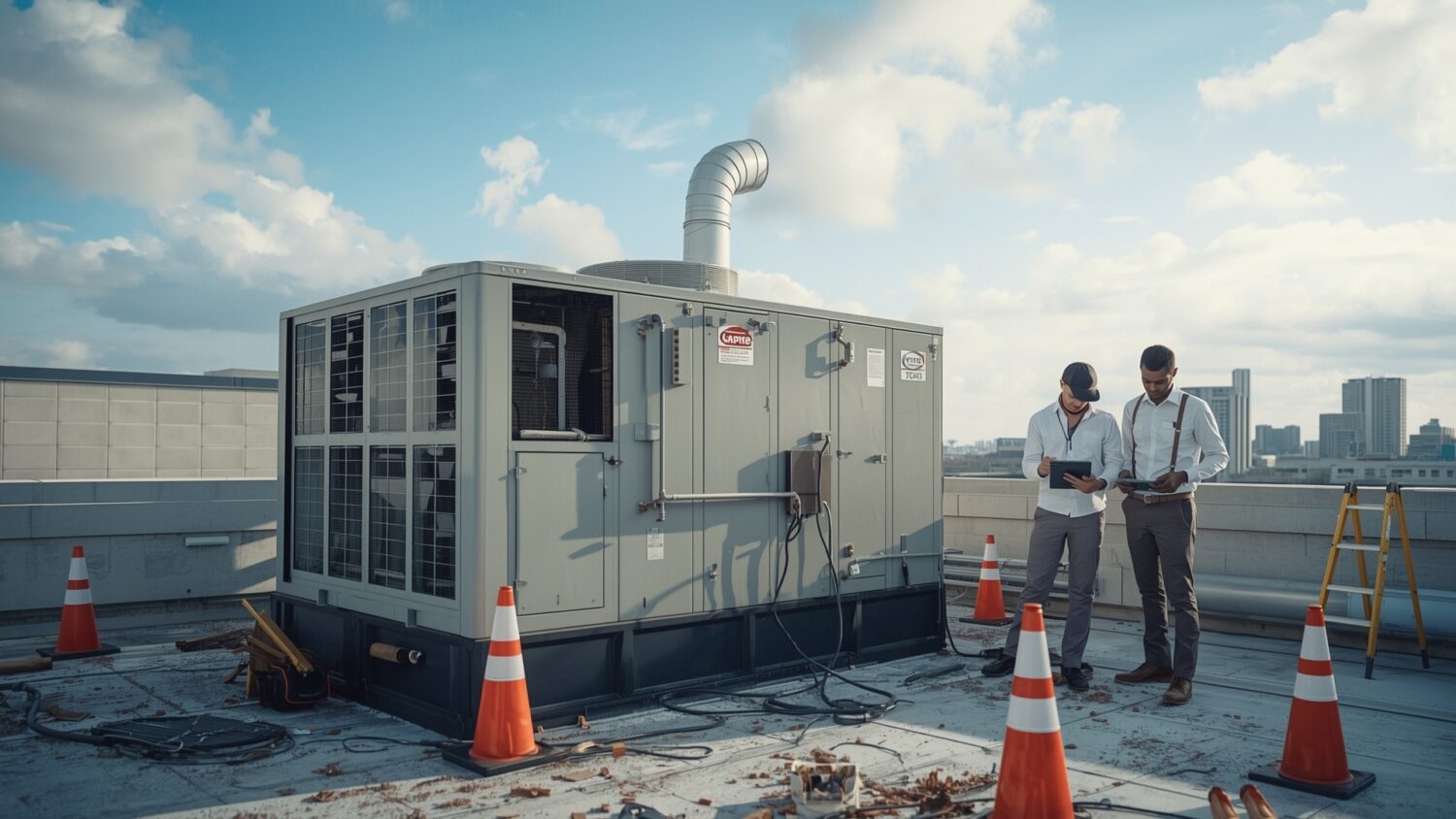
When powerful winds sweep through your area, the damage they leave behind can be devastating—especially to critical systems like your rooftop HVAC unit. These systems are not only essential for maintaining indoor comfort but also represent a significant investment for both residential and commercial property owners. Unfortunately, rooftop HVAC systems are particularly vulnerable to wind damage due to their exposed location. Filing an insurance claim for such damage can be a complex and frustrating process, especially if you’re unfamiliar with the intricacies of property insurance policies.
At LMR Public Adjusters, we understand how overwhelming it can be to navigate the claims process alone. As South Florida’s premier public adjusters, our mission is to advocate for property owners and ensure they receive the maximum compensation they deserve. With a personalized and dedicated team, we specialize in handling claims related to wind damage, including those affecting rooftop HVAC systems.
In this comprehensive guide, we’ll walk you through everything you need to know about filing a claim for wind damage to your rooftop HVAC system—from identifying the damage and documenting it properly, to understanding your insurance policy and working with a public adjuster. Whether you’re a homeowner or a commercial property manager, this guide is designed to empower you with the knowledge and tools needed to protect your investment and recover quickly.
Wind damage to rooftop HVAC systems is more common than many property owners realize. These systems are typically installed on flat or slightly sloped roofs, making them highly susceptible to high winds, flying debris, and even falling tree limbs. The damage can range from minor cosmetic issues to complete system failure, depending on the severity of the storm and the condition of the unit prior to the event.
Common signs of wind damage to rooftop HVAC systems include:
In many cases, the damage may not be immediately visible. For example, internal components may be compromised even if the exterior appears intact. That’s why it’s crucial to have a professional inspection conducted as soon as possible after a wind event. A licensed HVAC technician can assess the extent of the damage and provide a detailed report, which will be essential when filing your insurance claim.
It’s also important to understand that not all wind damage is covered under standard insurance policies. Coverage often depends on the specific terms and conditions outlined in your policy, including deductibles, exclusions, and limitations. This is where working with experienced public adjusters like LMR Public Adjusters can make a significant difference. We help you interpret your policy and ensure that all aspects of the damage are properly documented and included in your claim.
Time is of the essence when dealing with wind damage to your rooftop HVAC system. Taking prompt and appropriate action can not only prevent further damage but also strengthen your insurance claim. Here are the critical steps you should take immediately following a wind event:
While these steps may seem straightforward, the reality is that insurance companies often look for reasons to minimize payouts. They may argue that the damage was pre-existing or not severe enough to warrant a full replacement. That’s why it’s beneficial to work with a public adjuster who can advocate on your behalf and ensure that your claim is handled fairly and efficiently.
At LMR Public Adjusters, we specialize in managing property claims from start to finish. Our team will guide you through each step, from initial inspection to final settlement, ensuring that no detail is overlooked.
Filing an insurance claim for wind damage to your rooftop HVAC system involves several steps, each of which must be executed carefully to ensure a successful outcome. Here’s a detailed breakdown of the process:
Contact your insurance provider immediately after discovering the damage. Most policies require prompt notification, and delays can jeopardize your claim. Provide a brief description of the damage and inform them that a formal claim will follow.
Compile all relevant documentation, including:
Complete the necessary claim forms provided by your insurer. Attach all supporting documents and be as detailed as possible. Clearly state the extent of the damage and the estimated cost of repairs or replacement.
Your insurance company will likely send an adjuster to inspect the damage. Be present during the inspection and provide them with all documentation. It’s advisable to have your own public adjuster present to ensure that the inspection is thorough and unbiased.
Once the inspection is complete, the insurance company will offer a settlement based on their assessment. If the offer is insufficient, your public adjuster can negotiate on your behalf to secure a fair payout.
At LMR Public Adjusters, we have extensive experience in negotiating with insurance companies. Our goal is to maximize your claim and ensure that you receive the compensation needed to restore your HVAC system to full functionality.
Dealing with insurance companies can be daunting, especially when you’re already coping with the aftermath of a storm. Public adjusters serve as your advocate throughout the claims process, ensuring that your interests are protected and that you receive the compensation you deserve.
Here are some key benefits of working with a public adjuster:
LMR Public Adjusters is proud to serve communities across South Florida, including Fort Lauderdale, Hollywood, and Pompano Beach. Our team is committed to providing personalized service and expert guidance every step of the way.
Wind damage to rooftop HVAC systems can be both costly and disruptive, but with the right approach, you can navigate the insurance claims process successfully. From understanding the nature of the damage and documenting it thoroughly, to filing a detailed claim and negotiating a fair settlement, each step plays a crucial role in securing the compensation you need.
Don’t let the complexities of insurance policies and claims procedures overwhelm you. Partner with a trusted advocate who understands the system and is committed to your best interests. LMR Public Adjusters has built a reputation as South Florida’s premier public adjusters by consistently delivering results for our clients. Whether you’re dealing with wind, water, mold, or plumbing damage, our team is here to help you recover faster and more completely.
Take the first step toward a successful claim by visiting our FAQ page or exploring our blog for more expert insights. Ready to get started? Contact us today and let us help you turn your insurance policy into the protection it was meant to be.
Dania Beach, Broward County, Davie, Weston, Boca Raton, Cooper City, Coral Springs, Deerfield Beach, Fort Lauderdale, Hollywood, Parkland, Pembroke Pines, Pinecrest, Plantation, Pompano Beach, Sunrise, Fisher Island, Miramar, Delray Beach, Hallandale Beach , Lake Worth, Boynton