

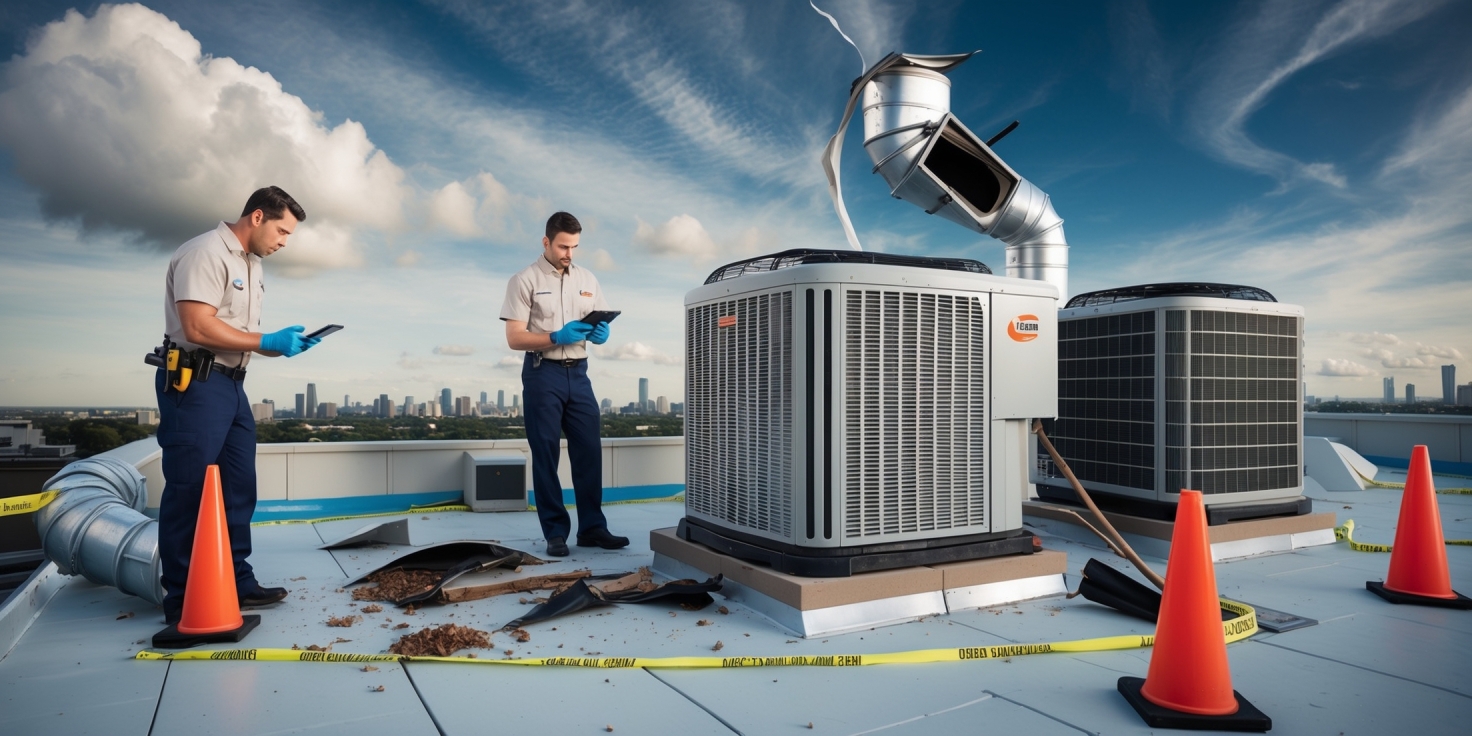
When strong winds strike, rooftop units such as HVAC systems, vents, and other essential equipment are often among the first to suffer damage. Filing a claim for wind damage to rooftop units can be a complex and time-sensitive process, especially when trying to ensure full compensation from your insurance provider. At LMR Public Adjusters, South Florida’s premier public adjusters, we specialize in helping property owners navigate the insurance claims process with confidence. Our dedicated team works closely with you to assess the extent of wind damage, document losses, and negotiate with insurance companies to maximize your settlement. Whether you’re dealing with commercial or residential property damage, understanding how to file a wind damage insurance claim properly can make all the difference in your recovery. Trust LMR Public Adjusters to be your advocate every step of the way.
Wind damage to rooftop units (RTUs) is a common yet often underestimated issue for both residential and commercial property owners. These HVAC systems, typically mounted on flat rooftops, are highly vulnerable to high-speed winds, especially during hurricanes or severe storms. Understanding how wind affects these units is crucial when preparing to file a claim for wind damage.
Strong gusts can dislodge or completely detach RTUs, damaging the unit itself and compromising the roof structure. According to the Federal Emergency Management Agency (FEMA), improperly secured rooftop equipment is one of the leading causes of roof failure during high-wind events. This can lead to costly repairs and extended downtime for businesses.
“Wind speeds as low as 50 mph can cause significant damage to rooftop HVAC units if they are not properly anchored or maintained.” – National Weather Service
Common signs of wind damage include bent or broken components, refrigerant leaks, and water intrusion due to compromised seals. Property owners should conduct regular inspections and maintenance to mitigate risks.
For more information on how to handle such claims, visit our property claims page or explore our detailed blog for expert insights.
To learn more about our services and team, check out our about us section or browse our FAQ page for answers to common questions. For additional guidance, the Insurance Institute for Business & Home Safety (https://ibhs.org) offers valuable resources on wind mitigation strategies.
Before filing a claim for wind damage to rooftop units, it’s crucial to thoroughly assess the extent of the damage. Start by conducting a visual inspection of the rooftop HVAC systems, vents, and other mechanical units. Look for signs of physical damage such as dents, dislodged components, or missing panels. Pay close attention to any unusual noises or performance issues that may indicate internal damage. Document everything with clear photographs and detailed notes, as this evidence will be essential when submitting your insurance claim.
It’s also advisable to consult with a professional to evaluate hidden or structural issues that may not be immediately visible. Wind damage can compromise the integrity of the entire roofing system, potentially leading to water infiltration or further mechanical failure. If your property is located in a high-risk area, such as coastal or hurricane-prone regions, regular inspections can help mitigate long-term risks.
For property owners managing commercial properties, the financial impact of rooftop unit damage can be significant. Prompt and accurate assessment ensures that you receive the compensation you deserve. If you’re unsure about the process, our team of experts is here to help. Visit our FAQ page for answers to common questions or explore our full range of property claims services to learn more about how we can support you through the claims process.
When filing a claim for wind damage to rooftop units, proper documentation is essential to ensure a smooth and successful insurance process. Start by taking clear, high-resolution photographs of all visible damage from multiple angles. Include wide shots to show the overall impact and close-ups to highlight specific issues such as dents, cracks, or dislodged components. It’s also important to document the date and time the damage occurred, along with any weather reports or alerts that support your claim.
Create a detailed inventory of the affected rooftop units, including model numbers, installation dates, and estimated repair or replacement costs. If possible, gather maintenance records to demonstrate the condition of the units prior to the wind event. This can help validate your claim and reduce the chances of disputes with your insurance provider.
Consider seeking assistance from experienced professionals like Pompano Beach public adjusters who specialize in evaluating storm-related property damage. They can help you navigate the claims process and ensure all necessary documentation is submitted accurately and on time.
For more insights on how to handle property damage claims, visit our blog page or explore our comprehensive property claims resources. Proper documentation not only strengthens your claim but also speeds up the recovery process, helping you restore your property efficiently.
Before initiating a claim for wind damage to rooftop units, it’s essential to thoroughly examine your insurance policy to understand what is covered and what may be excluded. Policies can vary significantly depending on the provider and the type of property—whether residential or commercial. Carefully review the sections related to windstorm or hurricane coverage, as well as any deductibles or limitations that may apply specifically to rooftop equipment.
Pay close attention to the fine print regarding exclusions, such as wear and tear or pre-existing damage, which could affect your claim’s approval. If your property is a business, your policy may also include business interruption coverage, which can be crucial if operations are halted due to the damage. For homeowners, understanding the scope of coverage for structural damage and personal property is equally important.
If you’re unsure about any part of your policy, consulting with a professional can help clarify your options. Our team at LMR Public Adjusters has extensive experience assisting clients with property claims and navigating complex policy language. Whether you’re dealing with a minor issue or significant storm damage, we can help you determine the best course of action.
To learn more about how we can support you, visit our About Us page or explore our blog for helpful tips and insights on managing insurance claims effectively.
Filing a claim for wind damage to rooftop units requires a clear understanding of the process to ensure a successful outcome. The first step is to assess the damage immediately after the storm has passed. Take detailed photographs and videos of the affected rooftop units, including any visible structural damage or debris. This documentation will serve as vital evidence when submitting your insurance claim.
Next, review your insurance policy to understand what is covered under wind damage. Policies can vary, so knowing your coverage limits and exclusions is essential. Contact your insurance provider as soon as possible to report the damage and initiate the claims process. Be prepared to provide all necessary documentation, including maintenance records and proof of ownership.
Hiring a professional public adjuster can significantly ease the process. They can help evaluate the damage, estimate repair costs, and negotiate with the insurance company on your behalf. Learn more about how public adjusters can assist by visiting our page on property claims.
If your commercial property has been affected, it’s crucial to act quickly to minimize business disruption. Visit our commercial properties page for more information on tailored support for business owners.
Finally, keep a record of all communications with your insurer and any expenses related to temporary repairs. Following these steps can help ensure a smoother and more efficient claims process.
When filing a claim for wind damage to rooftop units, collaborating effectively with your insurance adjuster is essential to ensure a fair and accurate settlement. Insurance adjusters are responsible for evaluating the extent of the damage and determining the compensation you’re entitled to under your policy. To streamline the process, it’s important to document all visible damage thoroughly with photographs and detailed notes. Providing maintenance records and receipts for repairs or replacements can also strengthen your claim.
Having a public adjuster on your side can make a significant difference. Unlike insurance company adjusters, public adjusters work exclusively for policyholders, advocating for your best interests. They can help interpret complex policy language, assess the full scope of the damage, and negotiate with your insurer to maximize your payout. If your rooftop units are part of a commercial property, consider exploring our services for commercial properties to ensure your business operations are protected.
Understanding the claims process can be overwhelming, especially after a severe storm. That’s why it’s helpful to review our FAQ section for answers to common questions about insurance claims and adjuster roles. Whether you’re dealing with minor repairs or major structural issues, working with experienced professionals can help you navigate the process with confidence and secure the compensation you deserve.
To minimize the risk of future wind damage to rooftop units, proactive maintenance and strategic planning are essential. Start by securing all rooftop equipment with heavy-duty fasteners and wind-rated brackets to prevent dislodgement during storms. Regular inspections, especially before hurricane season, can help identify vulnerabilities such as loose panels, rusted components, or deteriorated seals. Installing wind deflectors or protective barriers can also reduce the impact of high-speed gusts on exposed units.
Property owners should also consider consulting with professionals to assess their building’s wind resistance. Upgrading to wind-resistant HVAC units or enclosures can significantly reduce the chance of damage. Additionally, maintaining proper drainage on the roof prevents water accumulation, which can weaken structural integrity and increase susceptibility to wind damage.
For commercial buildings, it’s crucial to have a disaster preparedness plan in place. This includes documenting equipment conditions, securing insurance coverage, and understanding the claims process. If damage does occur, knowing how to file a claim effectively can make a significant difference in recovery. Visit our property claims page for guidance on navigating insurance procedures.
To learn more about how our team can assist in protecting your investment, explore our commercial properties services. Taking these preventative steps not only safeguards your rooftop units but also ensures long-term peace of mind.
In conclusion, filing a claim for wind damage to rooftop units requires prompt action, thorough documentation, and a clear understanding of your insurance policy. By assessing the damage quickly, gathering detailed evidence, and working closely with your insurance provider, you can help ensure a smoother claims process and a fair settlement. Don’t hesitate to consult with professionals, such as roofing contractors or public adjusters, to support your claim and protect your investment. Being proactive and informed is key to recovering from wind damage and restoring your property efficiently.
Dania Beach, Broward County, Davie, Weston, Boca Raton, Cooper City, Coral Springs, Deerfield Beach, Fort Lauderdale, Hollywood, Parkland, Pembroke Pines, Pinecrest, Plantation, Pompano Beach, Sunrise, Fisher Island, Miramar, Delray Beach, Hallandale Beach , Lake Worth, Boynton