
Discovering mold in your closet or along wall seams can be alarming—not only does it pose serious health risks, but it can also indicate hidden water damage that may compromise your property’s structural integrity. Properly documenting mold damage is a crucial first step in filing a successful insurance claim. At LMR Public Adjusters, we understand how overwhelming this process can be, especially for homeowners and businesses in South Florida cities like Miami, Fort Lauderdale, and West Palm Beach. Our team of experienced insurance claim adjusters in Hollywood is here to guide you through every step of the claims process, ensuring that your mold damage claim is thoroughly documented and accurately represented.
Whether you’re dealing with mold from a recent plumbing leak, storm damage, or high humidity levels common in Florida, knowing how to document mold in closet and wall seams can make a significant difference in the outcome of your insurance claim. Our experts specialize in mold damage claims and are committed to helping you secure the maximum compensation you deserve. With our “No Recovery, No Fee” policy and free claim assessments, LMR Public Adjusters is your trusted partner in navigating mold-related property damage claims. Let us help you protect your home or business and restore peace of mind.
Mold growth in closets and along wall seams is a common yet often overlooked issue that can lead to significant property damage and health concerns if not identified and addressed promptly. Recognizing the early signs of mold is crucial for effective documentation and remediation. Mold thrives in dark, damp, and poorly ventilated areas, making closets and wall seams ideal breeding grounds. These areas often go unnoticed during routine cleaning, allowing mold to proliferate undetected. According to the Environmental Protection Agency (EPA), mold can begin to grow within 24 to 48 hours in moist conditions, emphasizing the importance of early detection.
One of the most apparent indicators of mold is a musty or earthy odor. This smell is often the first sign homeowners notice, especially in enclosed spaces like closets. The scent may be subtle at first but tends to intensify as the mold spreads. Visual signs are also common and include discolored patches on walls, ceilings, or clothing stored in closets. These patches may appear black, green, white, or even orange, depending on the type of mold. In wall seams, mold often manifests as dark lines or spots where two surfaces meet, such as where the wall meets the ceiling or floor.
Another telltale sign is the presence of moisture or water stains. Leaks from plumbing or roof damage can create the perfect environment for mold to grow. If you notice peeling paint, bubbling wallpaper, or warped drywall, these could be signs of hidden moisture and potential mold growth. In some cases, mold may be hidden behind walls or under flooring, making it more challenging to detect without professional inspection. For residents in South Florida, where humidity levels are consistently high, the risk of mold is even greater. According to the Florida Department of Health, mold-related complaints are among the top environmental health concerns in the state.
Health symptoms can also serve as indirect indicators of mold presence. Individuals exposed to mold may experience allergic reactions such as sneezing, coughing, skin irritation, and respiratory issues. These symptoms often worsen when spending time in affected areas and improve upon leaving. Children, the elderly, and individuals with compromised immune systems are particularly vulnerable to mold-related health problems.
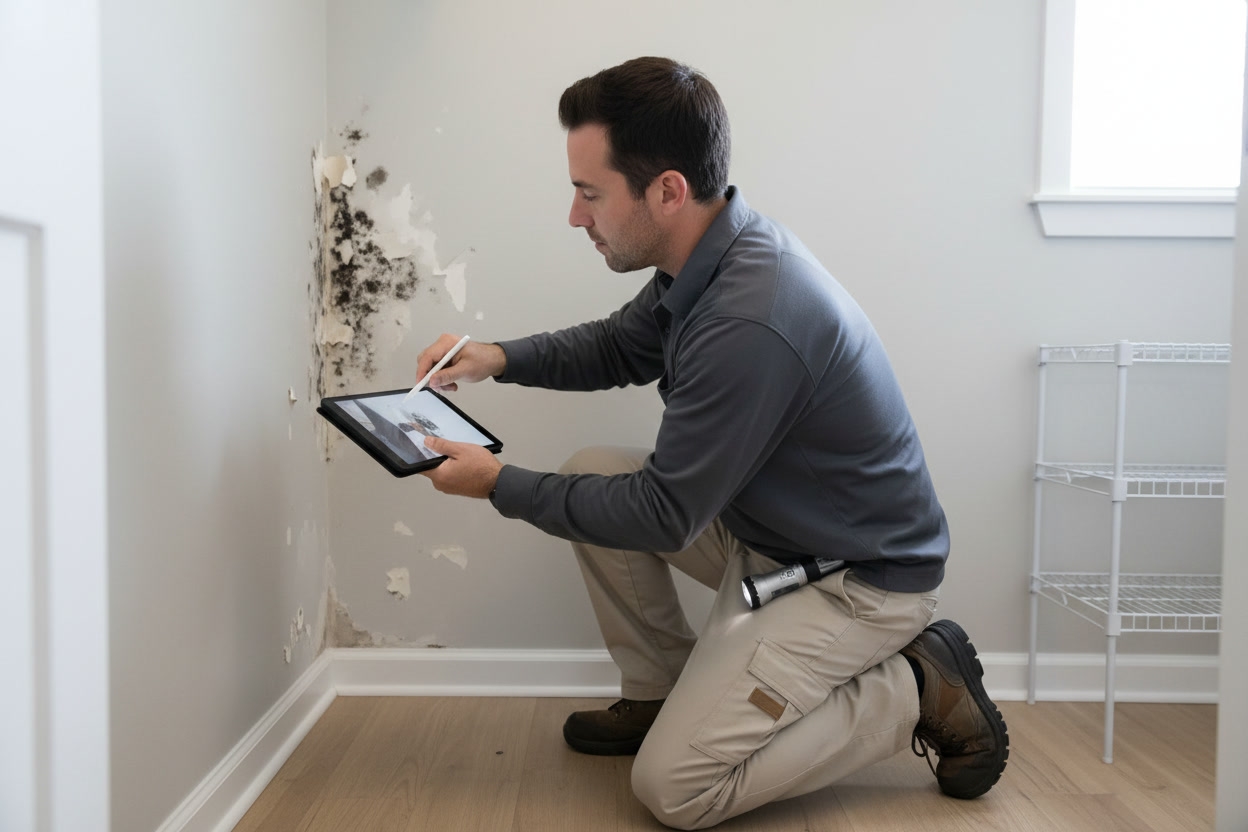
To accurately identify mold in closets and wall seams, it is essential to conduct a thorough inspection. Start by removing all items from the closet and examining the walls, ceiling, and floor for any signs of discoloration or dampness. Use a flashlight to inspect dark corners and behind shelving units. Pay close attention to the seams where walls meet, as these areas are prone to moisture accumulation. If you suspect mold but cannot see it, consider using a moisture meter or hiring a professional mold inspector for a more in-depth assessment.
Here are some common signs and examples of mold in closets and wall seams:
“According to the Centers for Disease Control and Prevention (CDC), mold exposure can cause a variety of health effects, or none at all. Some people are sensitive to molds. For these people, molds can cause nasal stuffiness, throat irritation, coughing or wheezing, eye irritation, or, in some cases, skin irritation.”
Proper documentation of mold is essential for filing insurance claims and ensuring effective remediation. Take clear, high-resolution photographs of all visible mold, including close-ups and wide-angle shots to show the extent of the damage. Note the location, size, and color of the mold patches, and keep a written log of any odors or health symptoms experienced. This documentation can be invaluable when working with a public adjuster or insurance company.
For those dealing with mold issues, it’s advisable to consult professionals who specialize in property damage assessment. At LMR Public Adjusters, we offer expert guidance on documenting and filing claims for mold damage. Our team is experienced in identifying hidden mold and ensuring that homeowners receive fair compensation for their losses. If you’re unsure about the extent of the damage or how to proceed, visit our FAQ page for answers to common questions.
In conclusion, identifying mold in closets and wall seams requires vigilance and a proactive approach. By recognizing the early signs, conducting thorough inspections, and documenting findings meticulously, homeowners can mitigate the risks associated with mold and protect their property and health. For more information on mold identification and claims assistance, explore our resources and connect with our team of experts.
Capturing clear and accurate evidence of mold in closet and wall seams is essential for proper documentation, insurance claims, and remediation planning. To begin, using the right tools is crucial. A high-resolution digital camera or a smartphone with a quality camera should be used to take close-up and wide-angle shots of the affected areas. Ensure that the lighting is adequate; natural light is ideal, but if unavailable, use a flashlight or portable LED light to illuminate dark corners and seams. Take multiple photos from different angles to capture the extent of the mold growth and any visible moisture damage. For more detailed documentation, consider using a moisture meter to detect hidden dampness behind walls or within closet materials. This tool helps validate the presence of conditions conducive to mold growth, even if mold is not visibly apparent. Infrared thermography cameras can also be useful for identifying temperature variations that may indicate moisture intrusion behind walls. In addition to visual evidence, keeping a written log of observations, including dates, locations, and descriptions of the mold, adds credibility to your documentation. If you suspect extensive contamination, air quality testing kits or professional mold testing services can provide lab-verified results. These tests can detect mold spores in the air and help determine the type and concentration of mold present. When documenting mold for insurance purposes, it is important to include photos of the surrounding areas to show the context and possible sources of moisture, such as leaky pipes or roof damage. For those unfamiliar with the claims process, visiting the FAQ section can offer valuable insights into how to proceed. Additionally, understanding the broader implications of mold damage and how it affects different types of properties can be explored through the commercial properties page. Proper documentation not only supports your claim but also assists remediation professionals in developing an effective treatment plan. Always ensure that your evidence is organized and backed up digitally to prevent loss.
In conclusion, properly documenting mold in your closet and wall seams is a crucial step in addressing the problem effectively. By identifying the signs early, taking clear photographs, noting the location and extent of the mold, and keeping detailed records, you not only help professionals assess the situation more accurately but also protect yourself when dealing with landlords, insurance companies, or remediation services. Remember, thorough documentation can make all the difference in ensuring the mold issue is resolved efficiently and safely. Stay proactive, and don’t hesitate to seek expert help when needed.
Dania Beach, Broward County, Davie, Weston, Boca Raton, Cooper City, Coral Springs, Deerfield Beach, Fort Lauderdale, Hollywood, Parkland, Pembroke Pines, Pinecrest, Plantation, Pompano Beach, Sunrise, Fisher Island, Miramar, Delray Beach, Hallandale Beach , Lake Worth, Boynton