
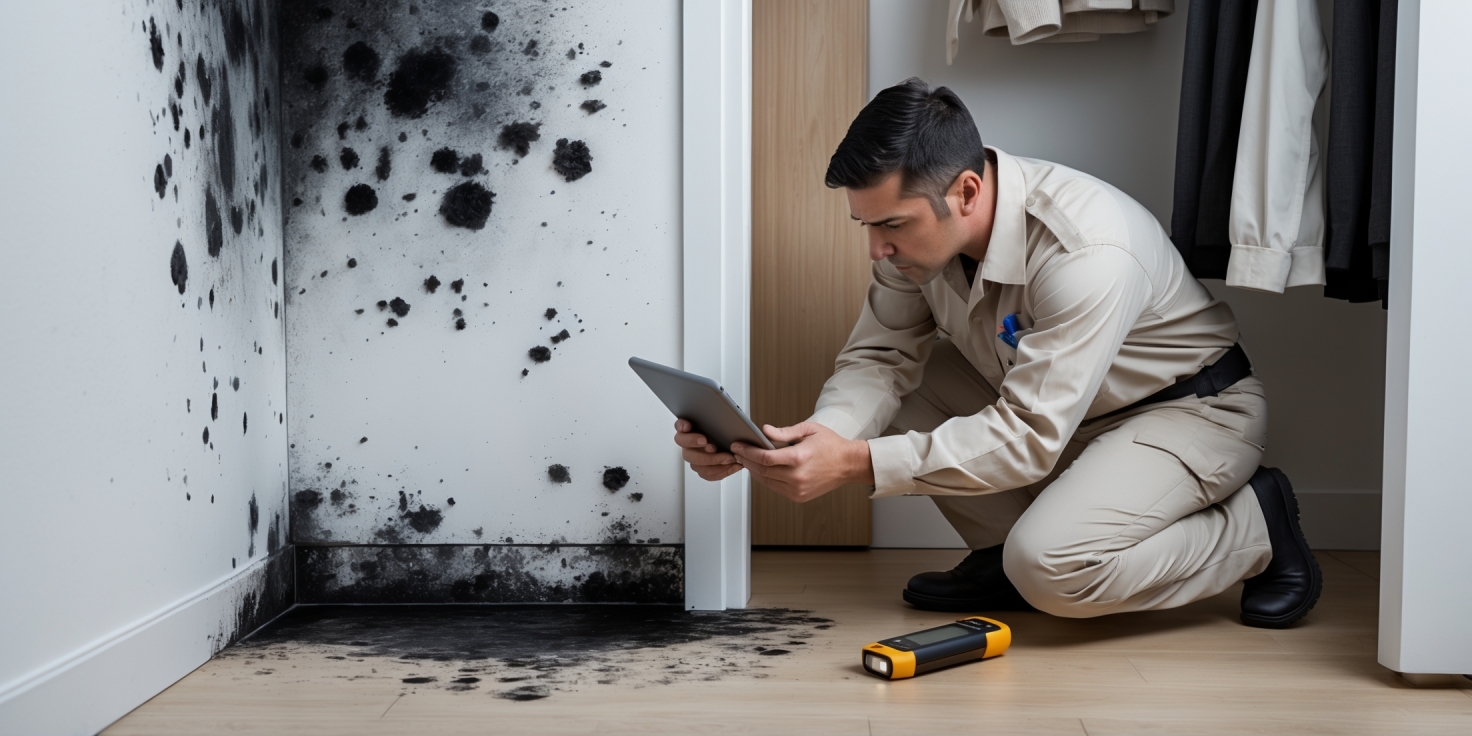
Discovering mold in closet corners can be both alarming and frustrating for homeowners. Not only does it pose potential health risks, but it can also lead to significant property damage if not addressed promptly. Knowing how to document mold in closet corners is essential for ensuring a successful insurance claim and protecting your home’s value. At LMR Public Adjusters, South Florida’s premier public adjusters, we specialize in helping property owners navigate the complexities of mold damage claims. Our dedicated team works closely with you to accurately document mold growth, assess the extent of the damage, and advocate on your behalf to maximize your insurance settlement. Whether you’re dealing with black mold, moisture buildup, or hidden mold behind walls, proper documentation is the first step toward a successful resolution. Let us guide you through the process with expert tips and insights to ensure your claim is supported with the right evidence.

Mold growth in closet corners is often overlooked until it becomes a serious issue. Recognizing the early signs is essential for effective documentation and timely remediation. Mold thrives in dark, damp, and poorly ventilated spaces, making closets a common breeding ground. Identifying mold early can prevent structural damage and protect your health.
Common indicators include a musty odor, discoloration on walls or clothing, and visible black, green, or white patches. According to the Environmental Protection Agency (EPA), mold can begin growing within 24 to 48 hours in moist conditions. This makes it crucial to inspect closets regularly, especially after water damage or high humidity.
“Mold exposure can lead to respiratory issues, allergic reactions, and other health problems, particularly in individuals with compromised immune systems.” — Centers for Disease Control and Prevention (CDC)
To help identify mold in closet corners, look for:
For more information on how to handle mold-related issues, visit our detailed guide on mold damage claims. If your property has suffered from water intrusion, our experts in water damage assessment can assist in documenting and filing your claim.
For additional insights, check out the EPA’s mold resources at https://www.epa.gov/mold. You can also learn more about our services by visiting our About Us page or exploring our comprehensive property claims support.
Before you begin documenting mold in closet corners, it’s essential to gather the right tools to ensure accuracy and clarity. Proper documentation not only helps in identifying the extent of the mold problem but also supports any potential insurance claims or remediation efforts. Start with a high-resolution camera or smartphone to capture clear images of the affected areas. Make sure to take photos from multiple angles and include close-ups to highlight the severity of the mold growth.
A flashlight or portable light source is also crucial, especially in dimly lit closet spaces. Mold often thrives in dark, hidden corners, so adequate lighting will help you spot and document even the smallest patches. Additionally, a moisture meter can be valuable in detecting hidden dampness that may not be visible to the naked eye.
Using a notepad or digital device to record observations such as the smell, color, and texture of the mold can further strengthen your documentation. If you’re unsure about the type of mold or the extent of the damage, consider consulting professionals who specialize in mold damage assessments.
For more information on how to handle similar property issues, visit our detailed section on property claims. Being well-prepared with the right tools ensures that your documentation is thorough, reliable, and useful for both remediation and insurance purposes.
Capturing clear and detailed photographs is essential when documenting mold in closet corners. Start by using a high-resolution camera or a smartphone with a good camera to ensure the images are sharp and focused. Natural lighting is ideal, but if the closet is dark, use a flashlight or the camera’s flash to illuminate the area without casting harsh shadows. Take wide-angle shots to show the overall location of the mold within the closet, followed by close-up images that highlight the texture, color, and extent of the mold growth.
Photograph the mold from multiple angles and include a ruler or another object for scale to help convey the size of the affected area. It’s also helpful to document any visible water stains, leaks, or signs of moisture that may have contributed to the mold issue. These details can support your case when filing a claim for mold damage.
Be sure to keep your photos organized and time-stamped, as this can be crucial for insurance purposes. If you’re unsure about the documentation process, consider consulting professionals who specialize in property claims. Proper photographic evidence not only strengthens your claim but also helps public adjusters assess the full extent of the damage. For more guidance, visit our blog for expert tips and updates.

When documenting mold in closet corners, accurately recording the size and location of the mold growth is essential for effective remediation and insurance claims. Begin by visually inspecting all corners, including behind stored items and along baseboards. Use a measuring tape to determine the dimensions of each affected area, noting the width and height in inches or centimeters. Take clear, close-up photographs from multiple angles, ensuring that each image includes a reference object, such as a ruler or coin, for scale.
Mark the exact location of the mold on a sketch or floor plan of the closet. Indicate whether the mold is on drywall, wood, or another surface, as this can influence the treatment method. If the mold appears in multiple spots, number each area and create a corresponding list with measurements and surface types.
This detailed documentation is crucial when filing a claim for mold damage, especially if the issue stems from hidden leaks or poor ventilation. It also helps professionals assess the severity of the problem and determine the best course of action. For more information on how to handle mold-related issues in residential or commercial properties, consult with experienced public adjusters who can guide you through the claims process and ensure you receive fair compensation.

When documenting mold in closet corners, it’s essential to observe and record the environmental conditions that may contribute to mold growth. Mold thrives in damp, dark, and poorly ventilated spaces, making closets a common problem area. Start by checking for signs of excess moisture, such as condensation on walls, musty odors, or visible water stains. Use a hygrometer to measure humidity levels—anything above 60% can encourage mold development.
Pay close attention to the closet’s ventilation. A lack of airflow can trap moisture, especially in closets located near bathrooms or laundry rooms. Note whether the closet is adjacent to any plumbing fixtures, as leaks or condensation from pipes can create ideal conditions for mold. If you suspect a plumbing issue, it may be helpful to explore our resources on plumbing damage.
Also, assess the materials stored in the closet. Items like cardboard boxes, fabric, and leather can absorb moisture and support mold growth. Documenting these conditions with photos and written notes will strengthen your case when filing a claim. For more guidance on handling mold-related issues, visit our section on mold damage.
Understanding and recording these environmental factors is crucial for identifying the root cause of mold and ensuring a thorough remediation process. If you’re unsure how to proceed, our team of experts is here to help you navigate the claims process efficiently.
To effectively address mold issues in closet corners, maintaining a detailed mold documentation log is essential. This log serves as a comprehensive record of mold growth, helping homeowners track the extent of the problem and communicate clearly with professionals or insurance adjusters. Begin by noting the date and time of each mold discovery, along with a description of the affected area. Include details such as the color, texture, and odor of the mold, as these characteristics can help identify the mold type.
Photographic evidence is crucial—take clear, high-resolution images from multiple angles and update them regularly to show any progression. Also, document environmental conditions like humidity levels and any recent water damage or leaks that may have contributed to the mold growth. This information can be vital when filing a claim for property claims or seeking professional remediation.
Keeping a mold log not only supports your case with insurance companies but also helps mold remediation experts develop a targeted treatment plan. If you’re unsure about how to proceed, consider consulting professionals who specialize in mold damage to ensure your documentation meets industry standards. For more insights on protecting your home and managing mold-related issues, explore our blog page.
If you discover mold in the corners of your closet, it’s essential to know when it’s time to call in a professional for assessment. While small patches of mold can sometimes be handled with DIY methods, extensive growth, recurring mold, or signs of structural damage require expert evaluation. Mold can spread quickly and may indicate hidden moisture problems behind walls or under flooring. A professional assessment ensures that the root cause is identified and properly addressed, preventing future outbreaks.
You should also contact a professional if you or your family members experience health symptoms such as allergies, respiratory issues, or skin irritation, as these can be linked to mold exposure. Additionally, if the mold is black or has a strong musty odor, it could be a sign of toxic mold, which requires immediate attention.
Public adjusters can help you document the damage and navigate the insurance claim process. If you’re unsure about your coverage or how to proceed, visiting our FAQ page can provide clarity. For more in-depth information on mold-related issues, our mold damage resource offers valuable insights.
In cases where mold is linked to water intrusion or plumbing issues, a professional can also help determine if there’s a need for additional claims, such as plumbing damage. Acting promptly can protect your property and health while ensuring a smoother insurance process.
In conclusion, properly documenting mold in closet corners is a crucial step in addressing and resolving the issue effectively. By identifying the signs early, taking clear photographs, noting environmental conditions, and keeping detailed records, you not only create a solid foundation for remediation but also protect your health and property. Whether you’re handling the problem yourself or seeking professional help, thorough documentation ensures transparency and can be invaluable for insurance claims, landlord communications, or future property transactions. Stay proactive, stay informed, and remember that early action can prevent more serious mold problems down the line.
Dania Beach, Broward County, Davie, Weston, Boca Raton, Cooper City, Coral Springs, Deerfield Beach, Fort Lauderdale, Hollywood, Parkland, Pembroke Pines, Pinecrest, Plantation, Pompano Beach, Sunrise, Fisher Island, Miramar, Delray Beach, Hallandale Beach , Lake Worth, Boynton