
Mold in crawl spaces is like that unwelcome guest who sneaks in unnoticed and overstays their welcome. It can cause structural damage, health issues, and a whole lot of stress. But fear not! Documenting mold in crawl spaces is the first step to tackling this pesky problem. In this guide, we’ll walk you through the process, ensuring you have all the tools and knowledge you need to handle mold like a pro. And remember, if you ever need expert help, LMR Public Adjusters is here to advocate for you.
Before diving into the nitty-gritty of documentation, let’s talk about why it’s crucial. Mold documentation isn’t just about jotting down notes; it’s about creating a comprehensive record that can help you in various ways.
Documenting mold is essential for several reasons. First, it helps in assessing the extent of the problem. By keeping a detailed record, you can track the growth and spread of mold over time. This information is invaluable when it comes to property claims and insurance processes.
Moreover, having a well-documented case can support your claims if you need to prove that mold has caused damage to your property. Insurance companies often require detailed evidence, and a thorough documentation process can make all the difference. At LMR Public Adjusters, we specialize in helping property owners maximize their insurance claims with personalized, dedicated support.
Mold isn’t just an eyesore; it’s a health hazard. Exposure to mold can lead to respiratory issues, allergies, and other health problems. By documenting mold, you can take proactive steps to protect your health and the health of your loved ones. It’s like putting on a seatbelt before driving; it just makes sense.
Now that we understand the importance of documenting mold, let’s talk about the tools you’ll need. Think of this as your mold-fighting toolkit.
To effectively document mold, you’ll need a few key items:
Having the right tools is like having a map on a treasure hunt. It guides you and makes the process much smoother.
Safety first! When dealing with mold, it’s essential to protect yourself. Wear gloves, a mask, and goggles to prevent exposure to mold spores. It’s like suiting up for battle; you wouldn’t go in unprepared, would you?
With your tools in hand, it’s time to dive into the documentation process. Follow these steps to ensure you cover all your bases.
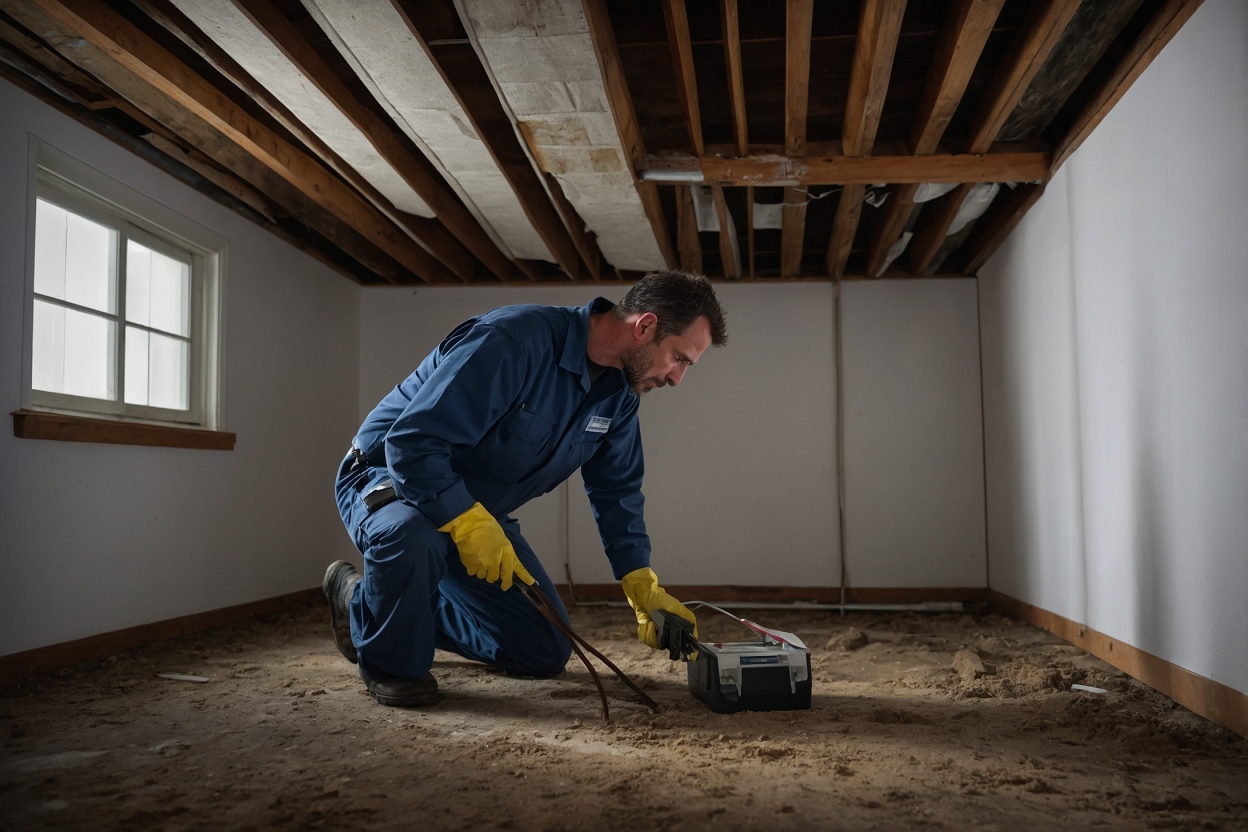
Start with a thorough visual inspection of the crawl space. Look for visible signs of mold, such as discoloration, fuzzy patches, or a musty odor. Use your flashlight to check dark corners and hidden areas. Take photos of any mold you find, capturing different angles and close-ups.
Remember, mold can be sneaky. It often hides in places you least expect, like behind insulation or under floorboards. Be thorough in your inspection, and don’t be afraid to get a little dirty.
Once you’ve identified moldy areas, use your moisture meter to measure moisture levels. Record these readings in your notebook or app, along with any other observations. Note the size and location of mold patches, and document any potential sources of moisture, such as leaks or condensation.
This step is like gathering evidence for a case. The more detailed your records, the stronger your case will be when dealing with insurance claims or remediation efforts.
If the mold problem is extensive or you’re unsure about handling it yourself, it’s time to call in the experts. LMR Public Adjusters can connect you with trusted professionals who specialize in mold remediation. They can assess the situation, provide expert advice, and help you navigate the insurance process.
Think of them as your mold-fighting allies, ready to assist you in your time of need.
Once you’ve documented the mold, it’s time to put that information to good use. Here’s how you can leverage your documentation for insurance claims.
When filing an insurance claim for mold damage, your documentation will be your best friend. Compile all your photos, notes, and moisture readings into a comprehensive report. This report should clearly outline the extent of the damage, the potential causes, and any steps you’ve taken to address the issue.
Submit this report to your insurance company along with your claim. Be sure to keep copies of everything for your records. If you need assistance, LMR Public Adjusters is here to help you navigate the claims process and ensure you receive the compensation you deserve.
Insurance adjusters are like detectives, piecing together the puzzle of your claim. Your documentation will provide them with the evidence they need to assess the situation accurately. Be prepared to answer questions and provide additional information if needed.
Remember, the goal is to present a clear and compelling case. With thorough documentation and the support of LMR Public Adjusters, you’ll be well-equipped to handle any challenges that come your way.
Documenting mold in crawl spaces may not be the most glamorous task, but it’s an essential step in protecting your property and health. By following the steps outlined in this guide, you’ll be well-prepared to tackle mold head-on and ensure your insurance claims are successful.
Remember, you’re not alone in this journey. LMR Public Adjusters is South Florida’s premier public adjuster, dedicated to advocating for property owners like you. Whether you need help with documentation, claims, or remediation, their personalized, dedicated team is here to support you every step of the way.
What is the best way to document mold in crawl spaces?
The best way to document mold is by conducting a thorough visual inspection, taking detailed photos, measuring moisture levels, and recording all observations in a notebook or digital app.
Why is mold documentation important for insurance claims?
Mold documentation provides the evidence needed to support your insurance claim. It helps assess the extent of the damage and proves that mold has caused harm to your property.
What tools do I need for mold documentation?
Essential tools for mold documentation include a camera or smartphone, a notebook or digital app, a moisture meter, and a flashlight. Protective gear such as gloves, a mask, and goggles is also recommended.
When should I contact a professional for mold issues?
If the mold problem is extensive or you’re unsure about handling it yourself, it’s best to contact a professional. LMR Public Adjusters can connect you with trusted mold remediation experts.
How can LMR Public Adjusters help with mold claims?
LMR Public Adjusters specializes in helping property owners maximize their insurance claims. They provide personalized support, expert advice, and assistance throughout the claims process.
Dania Beach, Broward County, Davie, Weston, Boca Raton, Cooper City, Coral Springs, Deerfield Beach, Fort Lauderdale, Hollywood, Parkland, Pembroke Pines, Pinecrest, Plantation, Pompano Beach, Sunrise, Fisher Island, Miramar, Delray Beach, Hallandale Beach , Lake Worth, Boynton