
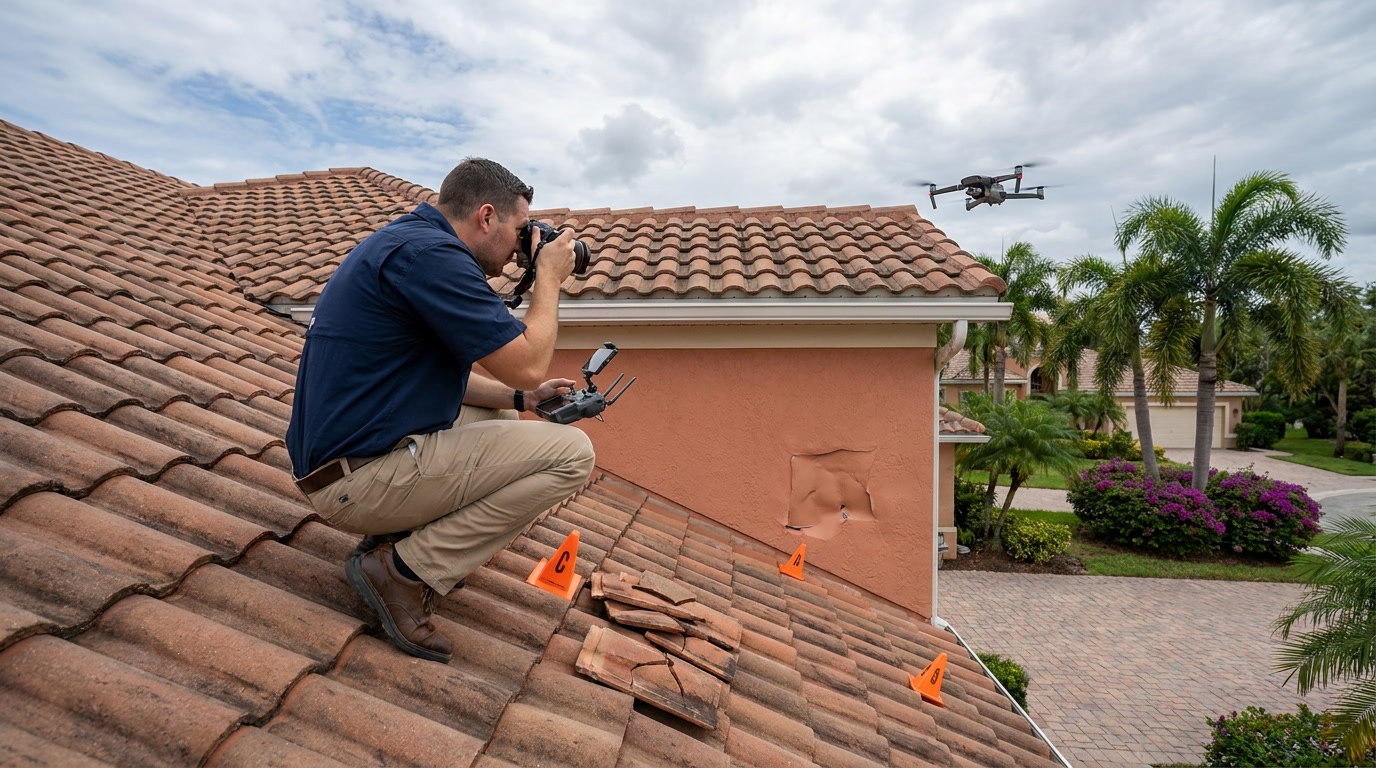
Experiencing a storm can be a daunting ordeal, especially when it results in significant damage to your property. Whether it’s your home or business, the aftermath of a storm requires immediate attention, particularly when it comes to documenting the damage for insurance claims. Proper documentation is crucial to ensure you receive the compensation you deserve. This comprehensive guide will walk you through the essential steps to effectively document storm damage for claims.
Understanding the Importance of Storm Damage Documentation
Storm damage documentation is a critical step in the insurance claims process. It serves as the foundation for your claim, providing evidence of the damage incurred and justifying the compensation you seek. Without proper documentation, you risk having your claim denied or receiving less compensation than you deserve. Insurance companies rely heavily on the documentation you provide to assess the extent of the damage and determine the appropriate payout.
Immediate Actions to Take After a Storm
Once the storm has passed and it’s safe to do so, it’s important to take immediate action to document the damage. Here are the steps you should follow:
Gathering Additional Evidence
In addition to photographs and an inventory, there are other forms of evidence that can strengthen your claim:
Organizing Your Documentation
Once you have gathered all the necessary evidence, it’s important to organize it effectively. This will make it easier for your insurance company to review your claim and expedite the process. Here are some tips for organizing your documentation:
Submitting Your Claim
With your documentation organized, you’re ready to submit your claim. Follow these steps to ensure a smooth submission process:
Working with a Public Adjuster
Navigating the insurance claims process can be complex and overwhelming, especially when dealing with storm damage. A public adjuster can provide valuable assistance by advocating on your behalf and ensuring that you receive a fair settlement. LMR Public Adjusters is a leading provider of full-spectrum public adjusting services in Florida. Our mission is to assist homeowners and businesses in navigating the complex process of filing insurance claims for property damage. With our expertise and dedication, we strive to ensure that our clients receive the maximum compensation they deserve.
At LMR Public Adjusters, we specialize in handling various types of claims, including storm damage, water damage, mold damage, fire damage, property claims, sinkhole damage, flood damage, wind damage, pipe burst damage, plumbing damage, tornado damage, and smoke damage. No matter the extent of the damage, we are here to help.
Our target audience includes homeowners and businesses in South Florida, particularly in Miami, Fort Lauderdale, West Palm Beach, Naples, Orlando, and Tampa. We understand the unique challenges and risks associated with living in this region, and our services are tailored to meet the specific needs of our clients.
What sets us apart from other public adjusting firms is our commitment to excellence and our track record of success. Our team of experienced insurance claim adjusters in Hollywood works tirelessly to ensure that our clients receive a fair and maximum settlement for their claims. We handle every aspect of the claims process, from conducting meticulous inspections to negotiating with insurance companies on behalf of our clients.
Our unique selling points include:
If you are struggling with storm damage or any other type of property damage, look no further than LMR Public Adjusters. We are here to help you navigate the insurance claims process and ensure that you receive the compensation you deserve. Contact us today for a free claim assessment.
Contact Information:
LMR Public Adjusters
Address: 6030 Hollywood Blvd Suite 110, Hollywood, FL 33024
Phone: (954) 603-7174
Email: claims@lmrpublicadjusters.com
For more information, visit our website: https://www.lmrpublicadjusters.com/
Conclusion
Documenting storm damage for claims is a crucial step in securing the compensation you need to recover and rebuild. By following the steps outlined in this guide, you can ensure that your documentation is thorough, organized, and compelling. Remember, the key to a successful claim lies in the details, so take the time to gather comprehensive evidence and present it effectively. If you need assistance, consider working with a public adjuster like LMR Public Adjusters to navigate the process and maximize your settlement.
Contact LMR Public Adjusters today for a free claim assessment and let us help you get the compensation you deserve.
Dania Beach, Broward County, Davie, Weston, Boca Raton, Cooper City, Coral Springs, Deerfield Beach, Fort Lauderdale, Hollywood, Parkland, Pembroke Pines, Pinecrest, Plantation, Pompano Beach, Sunrise, Fisher Island, Miramar, Delray Beach, Hallandale Beach , Lake Worth, Boynton