

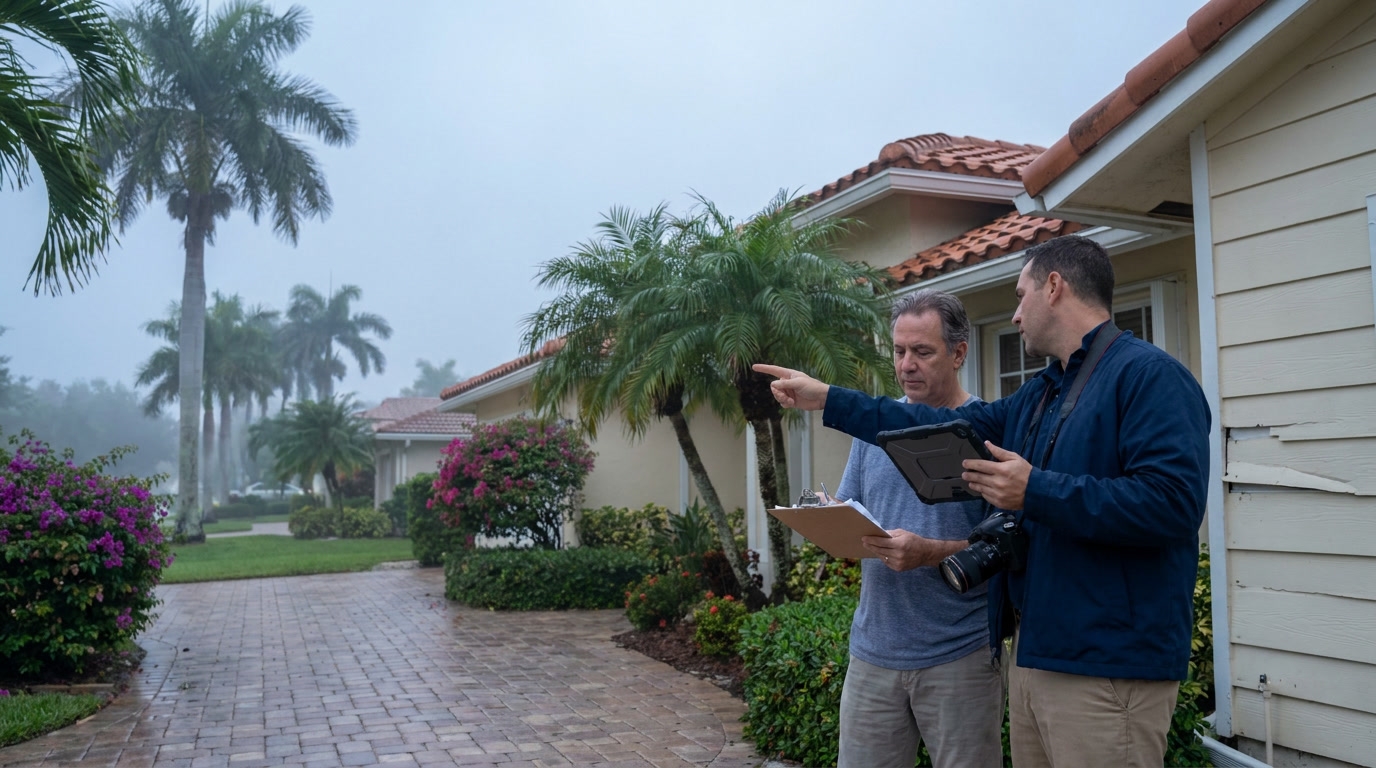
When severe weather strikes, wind damage to siding can be a significant concern for homeowners. Properly documenting this damage is crucial for ensuring a successful insurance claim. At LMR Public Adjusters, South Florida’s premier public adjusters, we specialize in advocating for property owners to maximize their insurance claims with our personalized, dedicated team. In this guide, we will walk you through the essential steps to effectively document wind damage to your siding. By understanding how to assess and record the damage accurately, you can streamline the claims process and secure the compensation you deserve. Whether you’re dealing with cracked, loose, or missing siding, our expert tips will help you capture the necessary evidence to support your claim. With our guidance, you can confidently navigate the complexities of insurance claims and protect your property investment.
Wind damage to siding can be subtle or severe, but recognizing the signs is crucial for effective documentation and repair. Identifying these signs early can prevent further damage and costly repairs. Here are some key indicators to look for:
"According to the Insurance Information Institute, wind and hail account for the largest share of homeowners insurance claims, making it essential to document any damage promptly."
For more detailed guidance on handling wind damage, visit our wind damage page. If you’re dealing with extensive damage, our Fort Lauderdale public adjusters can assist you in filing a claim. Additionally, our blog page offers valuable insights into protecting your property from wind damage.
For further reading, check out the National Weather Service’s resources on wind damage here.
When documenting wind damage to siding, having the right tools and materials is crucial for an accurate and thorough assessment. Start with a high-quality digital camera or smartphone with a good camera to capture clear images of the damage. Ensure your device has sufficient storage and battery life to avoid interruptions. A measuring tape is essential for noting the dimensions of the damaged areas, which can be critical information for insurance claims. A notebook or digital note-taking app will help you record details such as the date, time, and specific observations about the damage.
For safety, wear protective gear such as gloves and sturdy shoes, especially if you need to inspect areas with sharp or loose materials. A flashlight can be useful for examining damage in shaded or poorly lit areas. Additionally, having a ladder on hand will allow you to inspect higher sections of the siding safely.
It’s also beneficial to familiarize yourself with the insurance claim process. You can find more information on property claims by visiting our property claims page. For those in specific areas, our Fort Lauderdale public adjusters and Hollywood public adjusters are available to assist with local claims. Proper documentation not only aids in the claims process but also helps in planning necessary repairs and ensuring your property is restored to its original condition.
Inspecting your siding for wind damage is a crucial step in maintaining the integrity of your home. Begin by conducting a thorough visual inspection. Walk around your property and look for any visible signs of damage, such as cracks, dents, or missing pieces. Pay special attention to areas where the siding meets the roof or windows, as these are common spots for damage. If you notice any issues, take detailed notes and photographs to document the damage.
Next, gently press on the siding to check for any looseness or instability. Loose siding can indicate underlying damage that may not be immediately visible. If you find any sections that move or feel unstable, make a note of these areas for further inspection.
After the visual and physical inspection, consider the age and material of your siding. Older siding or materials like wood may be more susceptible to wind damage. If you’re unsure about the condition of your siding, it might be beneficial to consult with a professional. For more information about protecting your property from wind damage, visit our wind damage page.
Finally, if you discover significant damage, it’s important to file a claim with your insurance company. Our property claims page provides valuable resources and guidance on how to proceed with filing a claim. For additional support, consider reaching out to our team of experts who can assist you in navigating the claims process.
When documenting wind damage to siding for insurance claims, taking effective photographs is crucial. Clear, detailed images can significantly impact the success of your claim. Start by capturing wide-angle shots of the entire property to provide context. This helps the insurance adjuster understand the extent of the damage in relation to the rest of the property. Next, take close-up photos of the affected areas, focusing on any visible damage such as cracks, dents, or missing pieces. Ensure that these images are well-lit and in focus to clearly show the damage.
It’s also important to include photos of undamaged areas to highlight the contrast. This can help demonstrate that the damage was caused by a specific event, such as a windstorm, rather than pre-existing conditions. If possible, take photos from multiple angles to provide a comprehensive view of the damage.
For more guidance on documenting property damage, consider visiting our blog page or learning about our services. Additionally, if you need assistance with your claim, our team of experts is available to help. Whether you’re dealing with wind damage or other types of property damage, having a professional on your side can make a significant difference in the outcome of your claim.
When documenting wind damage to siding, recording detailed notes and observations is crucial for a comprehensive assessment. Begin by thoroughly inspecting the exterior of your property, noting any visible signs of damage such as cracks, dents, or missing pieces of siding. Pay close attention to areas that are more susceptible to wind damage, such as corners and edges. Use a notebook or a digital device to jot down specific details, including the location and extent of the damage. This information will be invaluable when filing a property claim.
Photographs are an essential part of your documentation process. Capture clear images of the damaged areas from multiple angles, ensuring that each photo is time-stamped for accuracy. These images will serve as visual evidence to support your claim. Additionally, consider taking a video walkthrough of the affected areas to provide a more comprehensive view of the damage.
If you notice any indirect damage, such as water infiltration due to compromised siding, make sure to document these issues as well. This can be crucial for claims related to water damage that may have resulted from the initial wind impact.
For those unfamiliar with the claims process, consulting with a professional, such as a Fort Lauderdale public adjuster, can provide valuable guidance. They can help ensure that your documentation is thorough and that you receive the compensation you deserve for the wind damage to your siding.
When documenting wind damage to siding, organizing your documentation for easy access is crucial. Start by creating a dedicated folder, either physical or digital, to store all related materials. This folder should include photographs, repair estimates, insurance policy details, and any correspondence with your insurance company. Label each item clearly with dates and descriptions to ensure quick retrieval when needed.
Consider using cloud storage solutions to back up your digital files. This not only safeguards your documentation against loss but also allows you to access it from anywhere. For physical documents, use a filing system with labeled dividers for different categories, such as "Photos," "Estimates," and "Correspondence."
Additionally, maintaining a detailed log of all communications with your insurance provider can be invaluable. Record the date, time, and summary of each conversation, along with the names of the representatives you speak with. This log can serve as a reference in case of disputes or misunderstandings.
For more guidance on handling insurance claims, visit our FAQ page. If you’re dealing with extensive damage, our Pompano Beach public adjusters can provide expert assistance. For additional insights, explore our blog page for tips on managing property claims effectively. By organizing your documentation efficiently, you can streamline the claims process and ensure you have all necessary information at your fingertips.
When dealing with wind damage to your siding, effective communication with your insurance provider is crucial. Start by thoroughly documenting the damage with clear photographs and detailed notes. This evidence will support your claim and facilitate a smoother process. When contacting your insurance provider, have your policy number and all relevant information readily available to expedite the conversation. Be clear and concise in describing the extent of the wind damage and any immediate repairs needed to prevent further issues.
It’s beneficial to familiarize yourself with your insurance policy to understand what is covered and what isn’t. This knowledge will help you ask informed questions and avoid misunderstandings. If you’re unsure about any aspect of your policy, don’t hesitate to ask your insurance representative for clarification. Additionally, consider visiting the FAQ section on our website for answers to common questions about property claims.
Keep a record of all communications with your insurance provider, including dates, times, and the names of representatives you speak with. This documentation can be invaluable if disputes arise. If you feel overwhelmed, consider consulting with a professional public adjuster who can assist you in navigating the claims process. Our team at LMR Public Adjusters is experienced in handling wind damage claims and can provide the support you need to ensure a fair settlement.
In conclusion, effectively documenting wind damage to your siding is a crucial step in ensuring that you can successfully navigate the insurance claims process and restore your home to its original condition. By promptly assessing the damage, taking clear and comprehensive photographs, maintaining detailed records, and understanding your insurance policy, you can streamline the process and increase the likelihood of a favorable outcome. Remember, thorough documentation not only aids in securing the necessary repairs but also helps in safeguarding your investment in the long run. By following these steps, you can confidently address wind damage and protect your home from future incidents.
Dania Beach, Broward County, Davie, Weston, Boca Raton, Cooper City, Coral Springs, Deerfield Beach, Fort Lauderdale, Hollywood, Parkland, Pembroke Pines, Pinecrest, Plantation, Pompano Beach, Sunrise, Fisher Island, Miramar, Delray Beach, Hallandale Beach , Lake Worth, Boynton