

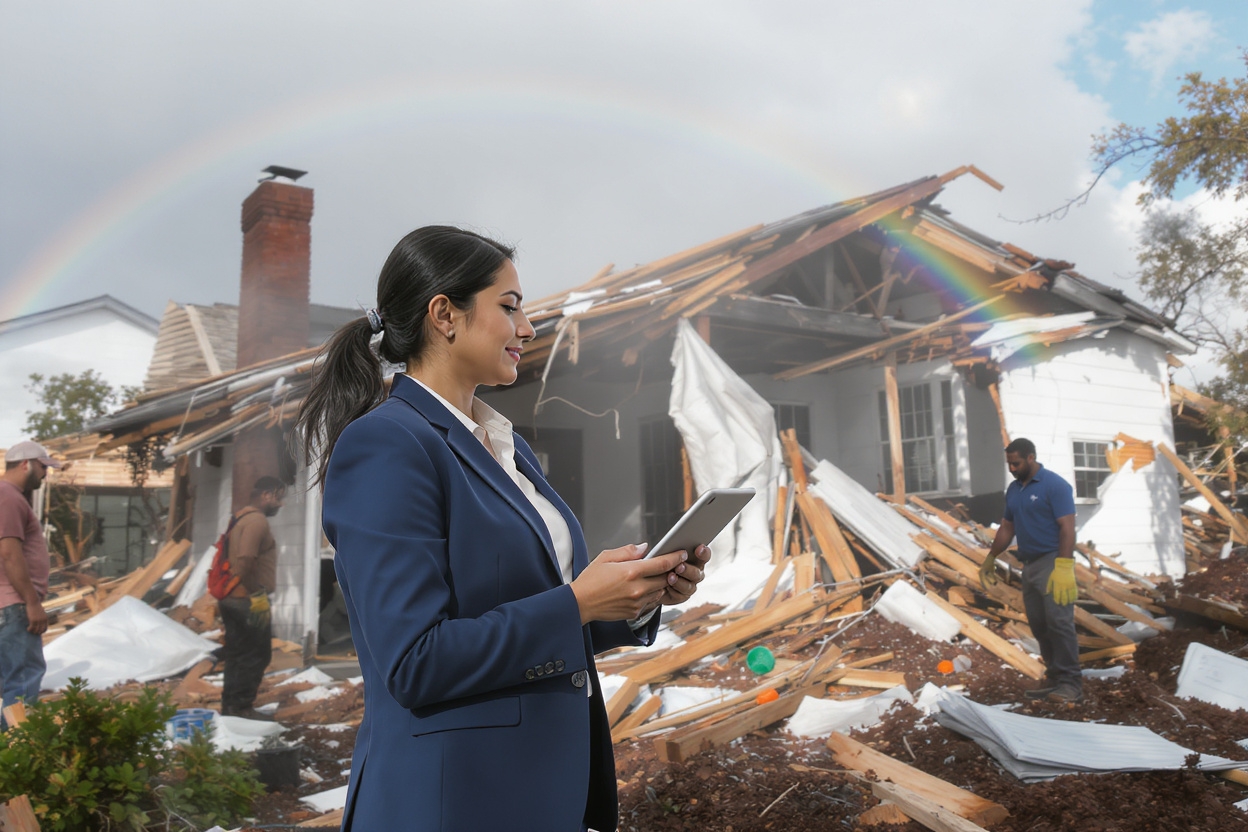
Navigating the aftermath of a hurricane can be overwhelming, especially when it comes to filing a claim for hurricane damage. At LMR Public Adjusters, we understand the complexities involved in the insurance claims process and are dedicated to helping homeowners and businesses in Florida secure the compensation they deserve. As a leading provider of public adjusting services, we specialize in handling a wide range of claims, including storm damage, water damage, and wind damage. Our experienced team is committed to guiding you through every step, from conducting thorough inspections to negotiating with insurance companies on your behalf. Whether you’re in Miami, Fort Lauderdale, or Tampa, our expertise and dedication ensure that you receive a fair and maximum settlement. With our "No Recovery, No Fee" policy and free claim assessments, we prioritize your interests and provide a seamless, stress-free experience. Trust LMR Public Adjusters to be your advocate in the insurance claims process and contact us today for expert assistance.
Understanding your insurance policy is a crucial step in effectively filing a claim for hurricane damage. Insurance policies can be complex documents filled with legal jargon and specific terms that can be difficult to decipher. However, having a clear understanding of your policy can make a significant difference in the outcome of your claim. This knowledge empowers you to navigate the claims process more efficiently and ensures that you receive the compensation you are entitled to.
First and foremost, it is essential to know the type of coverage your policy provides. Homeowners insurance typically covers damage caused by hurricanes, but there are often specific provisions and exclusions. For instance, while wind damage is generally covered, flood damage might not be included in a standard policy. According to the Insurance Information Institute, about 90% of natural disasters in the United States involve flooding, yet many homeowners are unaware that flood damage requires separate coverage through the National Flood Insurance Program (NFIP) or a private insurer. Understanding these distinctions is vital to ensure you have adequate protection.
Your policy will also outline the limits of your coverage. This refers to the maximum amount your insurer will pay for a covered loss. It is crucial to review these limits to ensure they are sufficient to cover the potential cost of rebuilding your home or replacing your belongings. Additionally, familiarize yourself with the deductible, which is the amount you must pay out of pocket before your insurance coverage kicks in. Policies often have separate deductibles for hurricane damage, which can be a percentage of your home’s insured value rather than a fixed dollar amount.
Another important aspect of your insurance policy is the list of exclusions. These are specific situations or types of damage that are not covered by your policy. Common exclusions related to hurricanes might include damage from mold, which can develop if water intrusion is not addressed promptly. To learn more about how mold damage can affect your claim, you can visit this resource.
It is also beneficial to understand the claims process outlined in your policy. This includes the steps you need to take immediately following a hurricane, such as documenting the damage with photos and videos, and notifying your insurer as soon as possible. The policy will specify the timeframe within which you must file your claim, known as the "notice of loss" period. Missing this deadline can result in your claim being denied.
Furthermore, your policy may include provisions for additional living expenses (ALE). If your home is uninhabitable due to hurricane damage, ALE coverage can help pay for temporary housing and other increased living costs. Understanding the extent and limits of ALE coverage can be crucial if you need to relocate while repairs are being made.
In addition to reviewing your policy, it is advisable to consult with a public adjuster who can help you interpret the terms and advocate on your behalf during the claims process. Public adjusters are licensed professionals who represent policyholders in negotiating insurance claims. They can provide valuable assistance in ensuring that you receive a fair settlement. For more information about public adjusters and how they can assist you, visit this page.
Lastly, it is important to keep your insurance policy updated. This means reviewing your coverage annually and making adjustments as necessary, especially if you have made significant improvements to your home or acquired valuable possessions. Keeping an up-to-date inventory of your belongings can also facilitate the claims process and ensure you are adequately compensated for your losses.
In summary, understanding your insurance policy is a critical component of effectively filing a claim for hurricane damage. By familiarizing yourself with the coverage, limits, exclusions, and claims process, you can better protect your home and assets. For more detailed guidance on property claims, you can explore this resource.
When a hurricane strikes, the aftermath can be overwhelming, especially when it comes to dealing with property damage. Filing a claim for hurricane damage is a critical step in recovering from the disaster, and it begins with thoroughly documenting and reporting the damage. This process is essential not only for ensuring that you receive the compensation you deserve but also for streamlining the claims process with your insurance company. Here is a comprehensive guide on how to effectively document and report hurricane damage.
The first step in documenting hurricane damage is to conduct a thorough inspection of your property as soon as it is safe to do so. Begin by taking a walk around the exterior of your home or business, noting any visible damage. Look for missing shingles, broken windows, damaged siding, and any other signs of structural damage. It is crucial to take clear, detailed photographs of all damage from multiple angles. These images will serve as vital evidence when you file your claim. Additionally, make sure to capture any damage to landscaping, fences, or outbuildings, as these may also be covered under your policy.
Once the exterior inspection is complete, move inside and assess the interior of your property. Pay close attention to ceilings, walls, and floors for signs of water intrusion or structural damage. Document any water stains, cracks, or other indicators of damage. Again, take photographs and, if possible, video footage to provide a comprehensive view of the damage. It is also helpful to make a written list of all damaged items, including furniture, electronics, and personal belongings. Be as detailed as possible, noting the brand, model, and approximate value of each item. This inventory will be invaluable when discussing your claim with the insurance adjuster.
In addition to visual documentation, it is important to keep a record of any temporary repairs you make to prevent further damage. For example, if you need to cover a broken window or patch a leaking roof, save all receipts and document the repairs with photographs. These expenses may be reimbursable under your insurance policy, so it is essential to keep detailed records.
After you have thoroughly documented the damage, it is time to report it to your insurance company. Contact your insurer as soon as possible to initiate the claims process. Be prepared to provide them with a detailed account of the damage, including the photographs, videos, and inventory you have compiled. It is also helpful to have your policy number and any relevant documents on hand when you make the call. During this initial contact, ask about the specific steps you need to follow and any deadlines you must meet to ensure your claim is processed efficiently.
Once your claim is filed, an insurance adjuster will likely be assigned to assess the damage. It is important to be present during the adjuster’s visit to provide any additional information they may need and to ensure that all damage is thoroughly documented. Be sure to share your photographs, videos, and inventory with the adjuster, and do not hesitate to point out any areas of concern that may not be immediately visible.
Throughout the claims process, maintain open communication with your insurance company and the adjuster. Keep a record of all correspondence, including emails and phone calls, and note the names and contact information of any representatives you speak with. This documentation will be helpful if any disputes arise regarding your claim.
In some cases, you may find it beneficial to seek the assistance of a public adjuster. Public adjusters are independent professionals who work on behalf of policyholders to ensure they receive a fair settlement. They can provide valuable expertise in documenting and negotiating your claim, particularly if you encounter challenges with your insurance company. If you are considering hiring a public adjuster, make sure to choose a reputable professional with experience in handling hurricane damage claims. For more information on how a public adjuster can assist you, visit our about us page.
Finally, it is important to stay informed about your rights and responsibilities as a policyholder. Review your insurance policy carefully to understand the coverage limits, exclusions, and any specific requirements for filing a claim. If you have questions or need clarification, do not hesitate to reach out to your insurance company or a qualified professional. Our FAQ section provides answers to common questions about property claims and can be a valuable resource during this process.
By following these steps to document and report hurricane damage, you can help ensure a smoother claims process and increase the likelihood of receiving the compensation you need to repair and restore your property. Remember, thorough documentation and proactive communication are key to successfully navigating the aftermath of a hurricane. If you need further assistance, consider reaching out to our team of experienced property claims specialists who are ready to help you through every step of the process.
In conclusion, filing a claim for hurricane damage can be a daunting process, but with the right preparation and understanding, you can navigate it effectively. Start by thoroughly documenting the damage and reviewing your insurance policy to understand your coverage. Promptly contact your insurance company to report the damage and follow their instructions carefully. Keep detailed records of all communications and expenses related to the damage and repairs. Consider seeking professional assistance if needed, such as a public adjuster or legal advice, to ensure you receive a fair settlement. By staying organized and proactive, you can streamline the claims process and focus on rebuilding and recovering from the impact of the hurricane. Remember, the key is to act swiftly and diligently to protect your rights and interests.
Dania Beach, Broward County, Davie, Weston, Boca Raton, Cooper City, Coral Springs, Deerfield Beach, Fort Lauderdale, Hollywood, Parkland, Pembroke Pines, Pinecrest, Plantation, Pompano Beach, Sunrise, Fisher Island, Miramar, Delray Beach, Hallandale Beach , Lake Worth, Boynton