

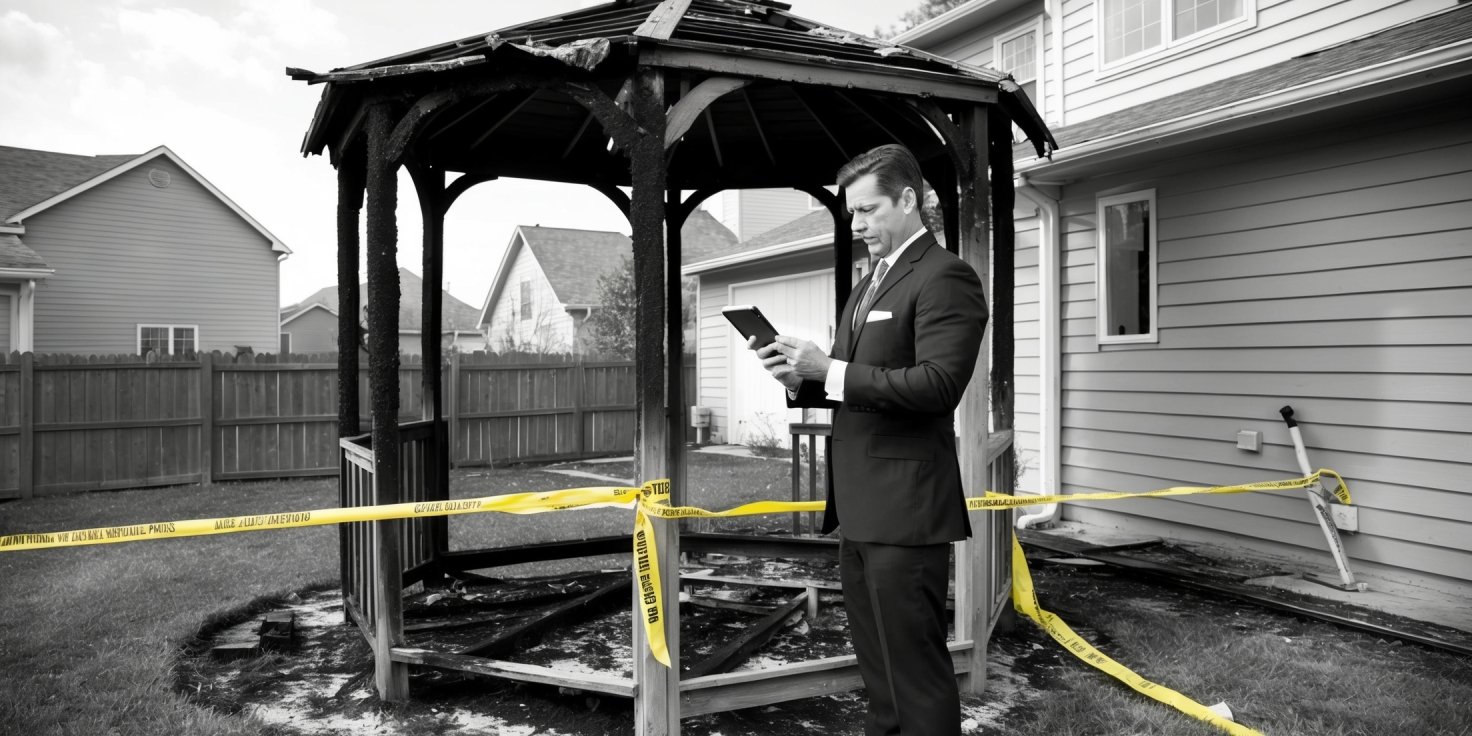
How to File a Claim for Outdoor Structure Fires—do you know the right steps to take when disaster strikes your backyard shed, gazebo, or detached garage? Fires can cause devastating damage, and navigating the insurance claim process can feel overwhelming. At LMR Public Adjusters, we help South Florida homeowners and businesses recover faster by maximizing their insurance claims. Are you prepared to protect your property and get the compensation you deserve?
Filing a claim for outdoor structure fires involves documenting the damage, reviewing your policy, and negotiating with your insurer. This article breaks it down into simple steps—starting with immediate actions after the fire, followed by how to gather evidence and submit your claim. We also explain how LMR Public Adjusters can advocate on your behalf to ensure a fair settlement.
But there’s more to it than just paperwork and photos. Learn what industry experts like John Huff, former president of the National Association of Insurance Commissioners, recommend for fire-related claims. Ready to take control of your recovery process? Let’s dive into the essential steps to file a successful claim for outdoor structure fires.
Outdoor structure fires involve non-residential buildings like sheds, detached garages, gazebos, fences, and pergolas. These structures are often overlooked in fire safety plans, making them vulnerable. Electrical malfunctions, especially in older wiring, are a leading cause. Grilling mishaps and improperly discarded smoking materials also contribute. In some cases, lightning strikes or deliberate arson ignite these fires.
The damage extends beyond the structure itself. Fires can spread quickly, threatening nearby homes and landscapes. Toxic smoke and collapsing materials pose serious safety risks. According to the National Fire Protection Association, fire departments respond to over 20,000 outdoor structure fires annually in the U.S. These incidents result in millions of dollars in property loss.
Homeowners often underestimate the financial impact. Insurance claims for these damages can be complex and time-sensitive. For guidance, explore our property claims process. If your home has suffered damage, visit our home damaged page for support. Acting quickly can make a significant difference in recovery and compensation.
Before approaching the damaged area, wait for official clearance from the fire department. Entering too soon can be dangerous. Once it’s safe, wear protective gear to avoid injury from debris or unstable structures. Begin by inspecting the exterior for visible structural damage. Check for collapsed walls, scorched roofing, or weakened supports.
Move cautiously inside, if permitted. Document everything thoroughly. Create a checklist that includes destroyed personal items, damaged furniture, and affected landscaping. Don’t overlook surrounding property damage, such as fences, sheds, or vehicles.
Use your phone or camera to take high-resolution photos and videos. Capture each area from multiple angles. This visual evidence is crucial for your insurance claim. Make sure to include close-ups and wide shots for full context.
For more guidance on handling claims, visit our property claims page. You can also learn more about our team on the about us section.
Stay organized and keep all documentation in one place. This will streamline communication with your insurance provider and help ensure a smoother claims process.
Before filing a claim, examine your insurance policy thoroughly. Homeowners and renters insurance often include protection for detached structures like sheds, fences, or gazebos. Look for a section labeled “Other Structures Coverage.” This part outlines what’s protected and under what conditions.
Locate terms such as “Replacement Cost” and “Actual Cash Value.” Replacement cost pays to rebuild without depreciation. Actual cash value deducts depreciation, offering less coverage. Understanding these terms helps set realistic expectations for your claim.
Check for exclusions or limitations. Some policies exclude fire damage caused by negligence or unpermitted structures. Others may cap the payout for outdoor structures. Review these details carefully to avoid surprises during the claims process.
Use your policy’s table of contents or index to find relevant sections quickly. If you’re unsure, contact your insurance provider for clarification. You can also explore our property claims page for more insights.
For additional support, visit our FAQ section. It offers answers to common questions about coverage and claims. Understanding your policy is the first step toward a successful recovery.
Start by calling your insurance provider immediately after the fire. Use their 24/7 claims hotline if available. Provide your policy number, the exact date of the incident, and a clear description of the damage. Mention any injuries or emergency services involved. If your insurer offers a mobile app or online portal, submit your claim there for quicker processing. Upload photos and videos of the damage to support your case.
Keep a detailed log of every interaction with your insurance company. Record names, dates, and summaries of each conversation. This documentation can be crucial if disputes arise later. Save all emails and written correspondence in a dedicated folder.
For more guidance on handling property damage, visit our page on property claims. If your home has suffered extensive damage, explore our home damaged resources for expert support. Acting quickly and staying organized will help streamline the claims process and protect your rights.
Insurance adjusters play a key role in evaluating your outdoor structure fire claim. They inspect the damage, review your policy, and determine the payout. To ensure a smooth process, gather all relevant documents before their visit. Include photos, receipts, and a detailed inventory of damaged items. Be present during the inspection to answer questions and clarify details.
Maintain clear and respectful communication throughout. Take notes during conversations and follow up in writing when necessary. If you feel the assessment is unfair, don’t hesitate to challenge it. Provide additional evidence or request a second opinion. In complex cases, consider hiring a public adjuster to represent your interests. They work independently and can help negotiate a better settlement.
Stay informed about your rights and responsibilities. Review our FAQ section for more insights. If your home suffered extensive damage, visit our home damage page for guidance. Being proactive and organized can significantly impact your claim’s outcome.
Start by contacting licensed contractors who specialize in fire damage restoration. Request detailed written estimates for both repairs and replacements. Always gather at least three quotes to compare pricing, timelines, and scope of work. This helps you avoid inflated costs and ensures fair market value.
Insurance companies typically calculate payouts based on your policy’s coverage limits and depreciation values. Review your policy carefully to understand what’s covered and what’s not. If you’re unsure, consult a professional or visit our FAQ page for clarity.
When negotiating with contractors, ask for itemized breakdowns. This allows you to challenge any questionable charges. Don’t hesitate to negotiate with your insurer either—especially if the initial offer seems low. Provide documentation and competing estimates to support your case.
For additional support, explore our property claims services to help you navigate the process. Acting quickly and staying informed can significantly impact your settlement. Keep all receipts and communication records organized. This ensures a smoother claims process and strengthens your position during negotiations.
Store flammable liquids in approved containers, away from heat sources and direct sunlight. Keep outdoor structures clutter-free and well-ventilated. Schedule regular inspections of electrical systems to detect faulty wiring or overloaded circuits. Install smoke detectors or fire alarms in sheds, garages, and other detached buildings. Test them monthly and replace batteries twice a year.
Create a defensible space by trimming overgrown vegetation and removing dry leaves or debris. Maintain a five-foot buffer zone around structures using gravel or fire-resistant plants. Avoid stacking firewood or storing propane tanks near buildings.
Review your insurance policy annually to ensure it covers outdoor structures and fire-related damages. If unsure, consult with a professional to evaluate your coverage. For more guidance, visit our property claims page.
Stay informed and proactive. Explore our blog for more expert tips on protecting your property. Prevention starts with awareness and consistent action. Don’t wait for a disaster to make changes.
Filing a claim for outdoor structure fires often comes with frustrating setbacks. Many policyholders face claim denials, underpayments, or long delays. Insurance companies may dispute the cause of the fire or undervalue the damage. These tactics can leave homeowners feeling powerless.
To push back, start by reviewing your policy in detail. Gather all relevant documents, including photos, receipts, and inspection reports. This evidence strengthens your case and supports your claim. If your claim is denied or underpaid, file an appeal immediately. Most states offer a formal appeals process through their insurance department.
Persistence is key. Keep detailed records of every conversation and correspondence. Don’t rely on verbal agreements. If needed, seek help from legal aid or consumer advocacy groups like United Policyholders or your state’s Department of Insurance.
Consider working with experienced public adjusters who understand the system. They can help maximize your settlement and handle negotiations. For more guidance, visit our FAQ page to learn how we support clients through complex claims.
Filing a claim for an outdoor structure fire involves navigating various local and state regulations. These rules can significantly influence your claim’s approval and payout. Always check with your municipality for specific requirements before starting the process. Fire reports are essential; they serve as official documentation of the incident. Without them, your claim may face delays or denials. Additionally, permits are often required before any rebuilding begins.
Zoning laws and building codes can also affect how and where you rebuild. Some areas may restrict the type of materials or structures allowed. Ignoring these rules can lead to costly fines or forced demolitions. To avoid setbacks, consult your local building department early.
For complex or high-value claims, legal guidance is crucial. An experienced attorney can help interpret policy language and protect your rights. If you’re unsure where to start, consider reviewing our about us page for insights into our expertise. You can also explore our property claims services to better understand your options. Taking these steps ensures a smoother, more successful claims process.
Outdoor structures typically include detached garages, sheds, gazebos, and fences. Check your policy for specific definitions. You usually have up to one year to file a claim, but act quickly to avoid delays. Filing a claim may affect your premiums, depending on your insurer and claim history. If your claim is denied, request a detailed explanation and consider appealing or hiring a public adjuster.
Yes, you can rebuild a different type of structure, but it must align with your policy terms. To prove the value of lost items, provide receipts, photos, or a home inventory list. Most homeowners insurance covers arson, unless the policyholder is involved. If the fire started on a neighbor’s property, liability depends on negligence and investigation results.
Hiring a public adjuster can help maximize your payout and reduce stress. To speed up the process, document everything, respond promptly, and stay in contact with your insurer. For more guidance, visit our FAQ page or explore our property claims resources.
Before submitting your claim, ensure every detail is accurate and complete. Start by gathering all essential documents, including photos, receipts, and repair estimates. List all damaged items with descriptions and approximate values. Keep contact details for your insurance adjuster and any contractors involved.
Mark important deadlines on a calendar to avoid missing key dates. Set reminders for follow-up calls or emails. Always document every interaction with your insurer, including names, dates, and summaries of conversations.
Store your checklist in both digital and printed formats. This ensures quick access during emergencies. Consider saving a copy in cloud storage for added security. Review and update your checklist annually to reflect any changes in property or policy.
For more guidance, visit our property claims page or explore our helpful blog articles. Staying organized can significantly speed up your claim process and reduce stress. Don’t wait until disaster strikes—prepare now and stay ready.
Dania Beach, Broward County, Davie, Weston, Boca Raton, Cooper City, Coral Springs, Deerfield Beach, Fort Lauderdale, Hollywood, Parkland, Pembroke Pines, Pinecrest, Plantation, Pompano Beach, Sunrise, Fisher Island, Miramar, Delray Beach, Hallandale Beach , Lake Worth, Boynton