
Introduction: Understanding Roof Flashing Damage Claims
Roof flashing is a critical component of your roofing system, designed to prevent water from seeping into your home. When it fails, the consequences can be costly. Filing a claim for roof flashing damage can be daunting, but with the right guidance, you can navigate the process smoothly. In this article, we’ll explore everything you need to know about filing a roof flashing damage claim, ensuring you maximize your insurance benefits.
What is Roof Flashing and Why is it Important?
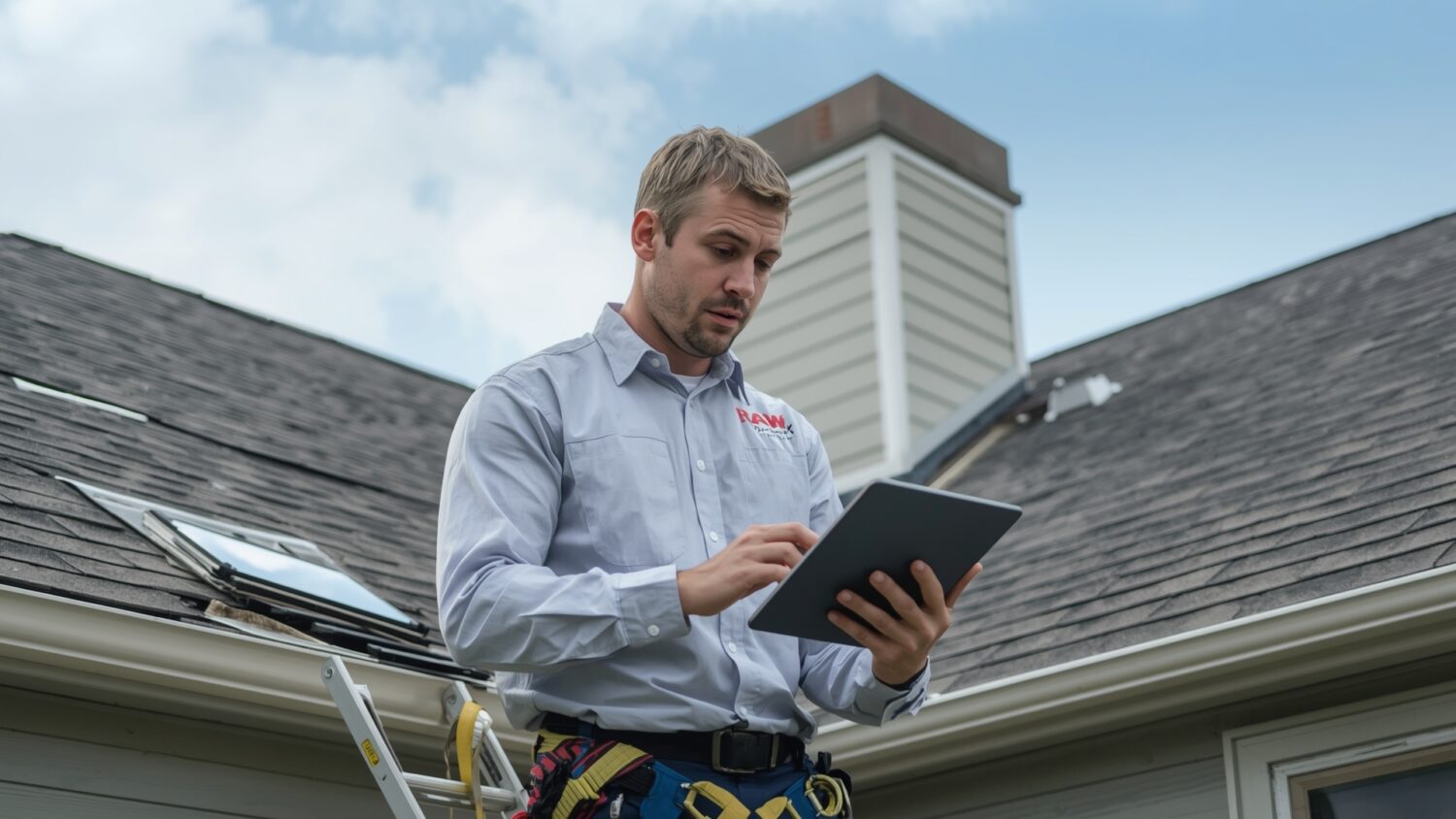
Roof flashing is a thin material, usually made of galvanized steel, aluminum, or copper, installed to direct water away from critical areas of the roof. It’s typically found around chimneys, vents, and skylights. The primary purpose of flashing is to prevent water intrusion, which can lead to significant damage if left unchecked.
Signs of Roof Flashing Damage
Recognizing the signs of roof flashing damage early can save you from costly repairs. Common indicators include water stains on ceilings, damp walls, and visible rust or cracks on the flashing itself. If you notice any of these signs, it’s crucial to act quickly.
Common Causes of Roof Flashing Damage
Several factors can lead to roof flashing damage. These include severe weather conditions, poor installation, and natural wear and tear. Understanding these causes can help you prevent future issues and strengthen your insurance claim.
The Importance of Timely Roof Flashing Repairs
Delaying repairs can exacerbate the damage, leading to more extensive and expensive fixes. Timely repairs not only protect your home but also strengthen your position when filing a claim. Insurance companies are more likely to honor claims when homeowners demonstrate proactive maintenance.
How to Document Roof Flashing Damage for Your Claim
Proper documentation is key to a successful roof flashing damage claim. Take clear photos of the damage, gather repair estimates, and keep records of any maintenance work. This evidence will support your claim and expedite the process.
Steps to File a Roof Flashing Damage Claim
Filing a claim involves several steps, from notifying your insurer to negotiating the settlement. Understanding each step can help you avoid common pitfalls and ensure a smooth process.
Choosing the Right Insurance Policy for Roof Flashing Damage
Not all insurance policies cover roof flashing damage. Review your policy carefully to understand what’s covered and what’s not. Consider consulting with a professional to ensure you have adequate coverage.
The Role of LMR Public Adjusters in Roof Flashing Damage Claims
LMR Public Adjusters, South Florida’s premier public adjusters, specialize in advocating for property owners. Their personalized, dedicated team can help you maximize your insurance claims, ensuring you receive the compensation you deserve.
How to Prepare for an Insurance Adjuster’s Visit
An insurance adjuster’s visit is a critical part of the claims process. Be prepared by having all your documentation ready and understanding the extent of the damage. This preparation can significantly impact the outcome of your claim.
Negotiating with Your Insurance Company
Negotiation is often necessary to reach a fair settlement. Be prepared to present your evidence and make a strong case for the compensation you deserve. Consider enlisting the help of a public adjuster if negotiations stall.
Common Mistakes to Avoid When Filing a Roof Flashing Damage Claim
Avoiding common mistakes can increase the likelihood of a successful claim. These include failing to document the damage, delaying repairs, and not understanding your policy. Awareness of these pitfalls can save you time and money.
Understanding Your Insurance Policy’s Fine Print
Insurance policies can be complex, with many terms and conditions. Understanding the fine print is crucial to ensure you’re adequately covered and to avoid surprises during the claims process.
The Benefits of Hiring a Public Adjuster
Public adjusters can be invaluable in the claims process. They work on your behalf to ensure you receive the maximum compensation. Their expertise can make a significant difference in the outcome of your claim.
How Weather Conditions Affect Roof Flashing Damage Claims
Weather conditions play a significant role in roof flashing damage. Understanding how different weather events impact your roof can help you make a stronger case when filing a claim.
The Impact of Roof Age on Flashing Damage Claims
The age of your roof can affect your claim. Older roofs may be more susceptible to damage, but insurers may also be less willing to cover repairs. Understanding this dynamic is crucial when filing a claim.
Preventative Measures to Protect Your Roof Flashing
Taking preventative measures can reduce the risk of flashing damage. Regular inspections, proper maintenance, and timely repairs can protect your roof and strengthen your insurance claims.
How to Appeal a Denied Roof Flashing Damage Claim
If your claim is denied, don’t despair. You have the right to appeal. Understanding the appeals process and gathering additional evidence can increase your chances of a successful outcome.
The Role of Roof Inspections in Flashing Damage Claims
Regular roof inspections can identify potential issues before they become major problems. They also provide valuable documentation that can support your claim.
Understanding Depreciation in Roof Flashing Damage Claims
Depreciation can affect the amount you receive from your claim. Understanding how insurers calculate depreciation can help you negotiate a fair settlement.
How to Choose a Reliable Roofing Contractor for Repairs
Choosing the right contractor is crucial for quality repairs. Look for licensed, experienced professionals with positive reviews. A reliable contractor can also provide documentation to support your claim.
The Importance of Keeping Detailed Records
Keeping detailed records of all communications, repairs, and inspections is essential. These records can support your claim and expedite the process.
How to Handle Disputes with Your Insurance Company
Disputes can arise during the claims process. Knowing how to handle these disputes effectively can make a significant difference in the outcome of your claim.
FAQs About Roof Flashing Damage Claims
Roof flashing damage refers to the deterioration or failure of the thin material used to direct water away from critical areas of the roof, leading to potential water intrusion.
Look for signs such as water stains on ceilings, damp walls, and visible rust or cracks on the flashing.
Coverage varies by policy. Review your policy or consult with a professional to understand your coverage.
The timeline can vary, but having proper documentation and working with a public adjuster can expedite the process.
It depends on your policy and the circumstances. Consult with a public adjuster for guidance.
You can appeal the decision. Gather additional evidence and consider enlisting the help of a public adjuster.
Conclusion: Navigating Roof Flashing Damage Claims with Confidence
Filing a roof flashing damage claim doesn’t have to be overwhelming. By understanding the process, documenting the damage, and enlisting the help of professionals like LMR Public Adjusters, you can navigate the claims process with confidence and ensure you receive the compensation you deserve. For more information, visit LMR Public Adjusters.
Dania Beach, Broward County, Davie, Weston, Boca Raton, Cooper City, Coral Springs, Deerfield Beach, Fort Lauderdale, Hollywood, Parkland, Pembroke Pines, Pinecrest, Plantation, Pompano Beach, Sunrise, Fisher Island, Miramar, Delray Beach, Hallandale Beach , Lake Worth, Boynton