

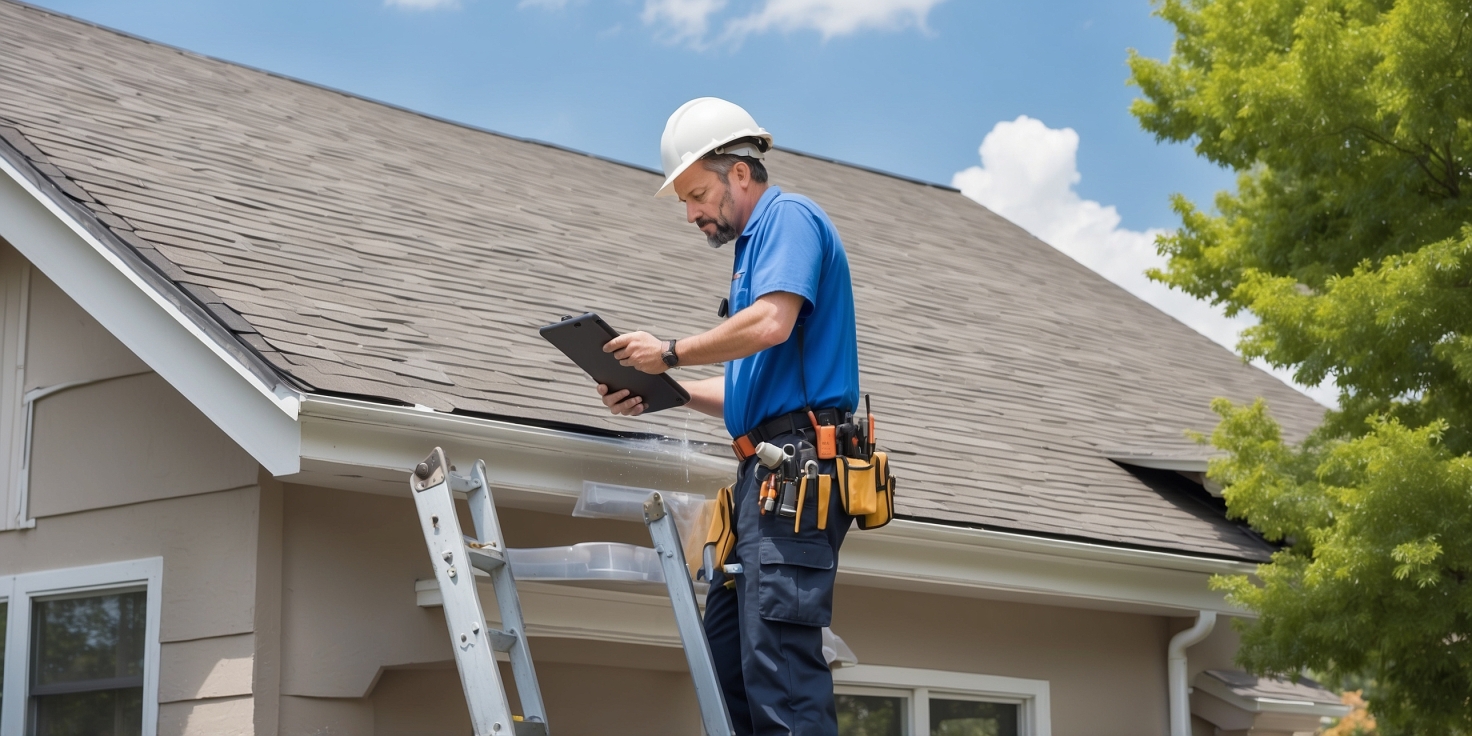
Roof flashing leaks can be a homeowner’s nightmare. These leaks often start small, but if left unaddressed, they can lead to significant water damage, mold growth, and structural issues. Understanding how to file a claim for roof flashing leaks is crucial to ensure you receive the compensation you deserve from your insurance provider. Whether you’re dealing with a minor drip or a major leak, navigating the claims process can be overwhelming without the right guidance.
At LMR Public Adjusters – South Florida’s premier public adjusters – we specialize in advocating for property owners to maximize insurance claims with a personalized, dedicated team. Our goal is to help you understand the process, gather the necessary documentation, and negotiate with your insurance company to secure the best possible outcome.
This comprehensive guide will walk you through every step of filing a claim for roof flashing leaks, from identifying the problem to receiving your settlement. Let’s dive in and ensure you’re fully prepared to protect your home and your finances.
Roof flashing is a critical component of your roofing system. It consists of thin pieces of metal installed at various points on your roof to direct water away from seams and joints, such as around chimneys, vents, skylights, and where the roof meets vertical walls. When flashing fails—due to age, poor installation, or storm damage—it can allow water to seep into your home, leading to costly repairs.
Common signs of roof flashing leaks include:
It’s important to address these issues promptly. Delaying repairs can worsen the damage and complicate your insurance claim. If you suspect a flashing leak, document the damage immediately and contact a professional to assess the situation.
In South Florida, where storms and hurricanes are common, roof flashing leaks are a frequent issue. If you live in areas like Fort Lauderdale or Hollywood, it’s especially important to stay vigilant and proactive in maintaining your roof.
Filing an insurance claim for roof flashing leaks involves several critical steps. Missing any of these can result in delays or denials, so it’s essential to follow the process carefully.
As soon as you notice signs of a leak, inspect the affected area and take detailed photographs. Capture wide shots and close-ups of the damage, including any visible issues with the flashing, water stains, and interior damage. Keep a written record of when the leak was first noticed and any steps you’ve taken to mitigate further damage.
It’s also wise to hire a licensed roofing contractor or public adjuster to perform a professional inspection. Their report can serve as valuable evidence when filing your claim.
Before contacting your insurance company, review your homeowner’s insurance policy to understand what is covered. Most policies cover sudden and accidental damage, but may exclude wear and tear or poor maintenance. Pay attention to:
If you’re unsure about your policy details, a public adjuster can help interpret the fine print and determine your eligibility for a claim.
Notify your insurance provider as soon as possible. Provide them with a detailed description of the damage, including the date it occurred, the cause (e.g., storm, wind, etc.), and any immediate repairs you’ve made. Be honest and thorough—misrepresenting facts can jeopardize your claim.
After your initial report, the insurance company will assign an adjuster to inspect the damage. Be prepared to provide all documentation, including photos, repair estimates, and inspection reports.
Insurance companies often aim to minimize payouts. That’s where a public adjuster comes in. At LMR Public Adjusters, we work exclusively for you—not the insurance company. Our team will:
We’ve helped countless homeowners across South Florida, including Pembroke Pines and Plantation, recover from roof flashing leaks and other property damage.
Once your claim is approved, you can proceed with repairs. Choose a licensed and insured contractor with experience in roof flashing repairs. Keep all receipts and invoices, as your insurance company may request proof of completed work.
After repairs are complete, your public adjuster will help finalize the claim and ensure you receive any remaining funds owed under your policy.
Filing a claim for roof flashing leaks isn’t always straightforward. Homeowners often face challenges such as:
To overcome these challenges, it’s crucial to have a knowledgeable advocate on your side. LMR Public Adjusters has extensive experience dealing with insurance companies and can help you navigate these obstacles with confidence.
We also provide support for related issues such as water damage, wind damage, and mold damage, which often accompany roof flashing leaks.
When it comes to filing a roof flashing leak claim, experience matters. LMR Public Adjusters is South Florida’s trusted name in property insurance claims. Here’s why homeowners and business owners choose us:
Our commitment to excellence is reflected in our Google Reviews, where clients praise our professionalism, responsiveness, and results.
Roof flashing leaks can cause significant damage if not addressed promptly. Filing an insurance claim may seem daunting, but with the right knowledge and support, you can navigate the process successfully. From identifying the problem to securing your settlement, each step is critical to protecting your home and finances.
Don’t let insurance companies dictate the outcome of your claim. Partner with LMR Public Adjusters – South Florida’s premier public adjusters – and gain the advantage of expert advocacy, personalized service, and proven results. Whether you’re dealing with a flashing leak, plumbing damage, or any other property issue, we’re here to help you recover what you’re rightfully owed.
Visit our About Us page to learn more about our mission, or explore our blog for additional tips and insights on property insurance claims. Ready to take the next step? Contact us today and let our experienced team guide you through the claims process with confidence.
Dania Beach, Broward County, Davie, Weston, Boca Raton, Cooper City, Coral Springs, Deerfield Beach, Fort Lauderdale, Hollywood, Parkland, Pembroke Pines, Pinecrest, Plantation, Pompano Beach, Sunrise, Fisher Island, Miramar, Delray Beach, Hallandale Beach , Lake Worth, Boynton