
Filing a claim for roof wind damage can be a daunting task, especially when you’re dealing with the aftermath of a storm. Understanding the process and knowing what steps to take can make a significant difference in the outcome of your claim. This comprehensive guide will walk you through the necessary steps to ensure that you file your roof wind damage claim effectively and maximize your chances of receiving the compensation you deserve.
Step 1: Assess the Damage
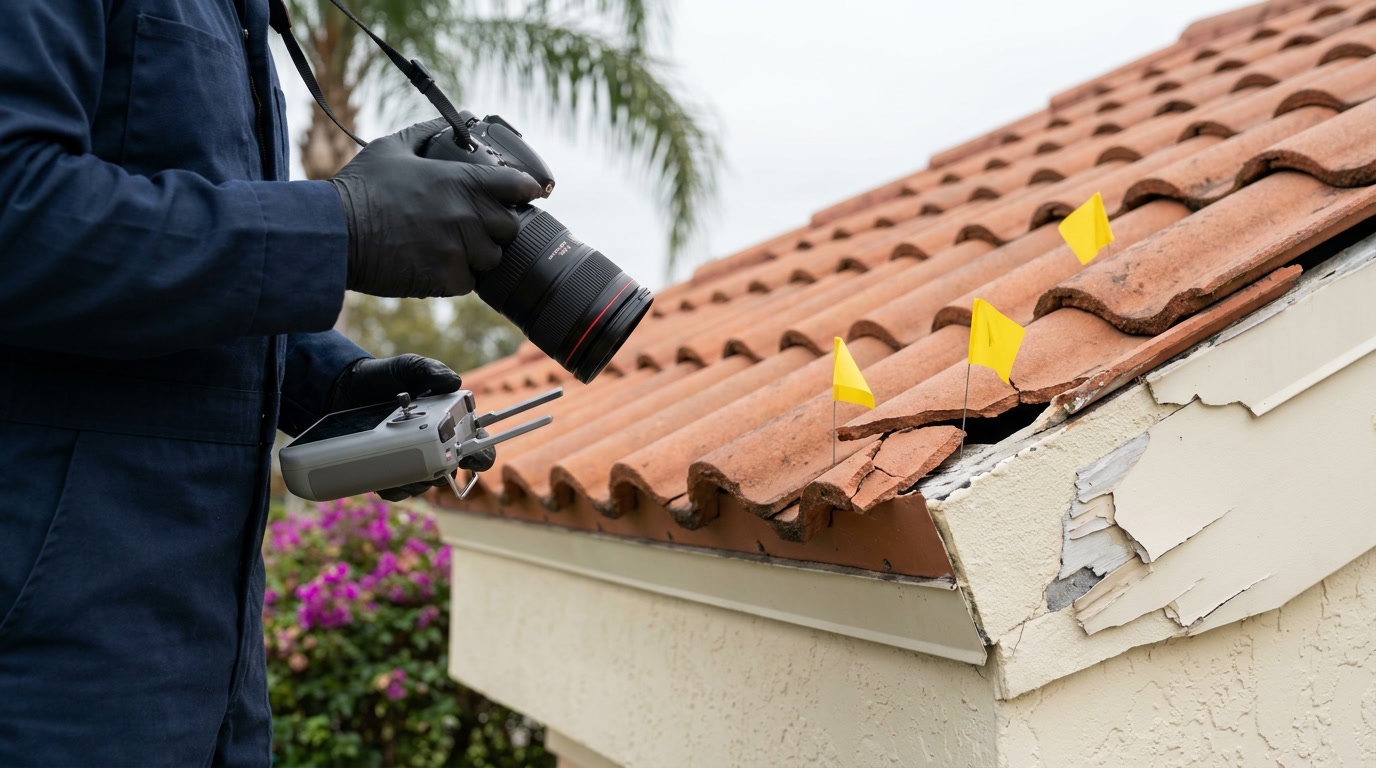
The first step in filing a roof wind damage claim is to assess the extent of the damage. After a storm, it’s crucial to conduct a thorough inspection of your roof. Look for missing or damaged shingles, leaks, and any other signs of wind damage. If you’re not comfortable doing this yourself, consider hiring a professional roofing contractor to perform the inspection. They can provide a detailed report of the damage, which will be invaluable when filing your claim.
Step 2: Document the Damage
Once you’ve assessed the damage, it’s essential to document it thoroughly. Take clear, high-resolution photos and videos of the affected areas. Make sure to capture all angles and include close-ups of any specific damage, such as missing shingles or broken tiles. This documentation will serve as crucial evidence when you file your roof wind damage claim.
Step 3: Review Your Insurance Policy
Before filing your claim, review your insurance policy to understand what is covered. Pay attention to the specific terms and conditions related to wind damage. Some policies may have exclusions or limitations, so it’s important to know what to expect. If you’re unsure about any aspect of your policy, consider reaching out to your insurance agent for clarification.
Step 4: Contact Your Insurance Company
Once you have a clear understanding of your policy, contact your insurance company to report the damage. Provide them with all the necessary information, including the date and time of the storm, a description of the damage, and any documentation you’ve gathered. Be prepared to answer any questions they may have and provide additional information if needed.
Step 5: Schedule an Adjuster Inspection
After you’ve reported the damage, your insurance company will likely send an adjuster to inspect your property. The adjuster’s role is to assess the damage and determine the amount of compensation you’re entitled to. During the inspection, be sure to point out all the areas of damage and provide any documentation you’ve collected. This is your opportunity to ensure that the adjuster has a complete understanding of the extent of the damage.
Step 6: Obtain Repair Estimates
While waiting for the adjuster’s report, it’s a good idea to obtain repair estimates from reputable roofing contractors. Having multiple estimates can help you understand the cost of repairs and provide additional evidence to support your claim. Make sure the estimates are detailed and include a breakdown of all costs.
Step 7: Review the Insurance Company’s Offer
Once the adjuster has completed their inspection, your insurance company will provide you with an offer. Review the offer carefully and compare it to the repair estimates you’ve obtained. If the offer is lower than expected, you may need to negotiate with your insurance company to reach a fair settlement.
Step 8: Negotiate if Necessary
If you’re not satisfied with the insurance company’s offer, don’t hesitate to negotiate. Provide them with the repair estimates and any additional documentation that supports your claim. Be prepared to explain why you believe the offer is insufficient and what you consider to be a fair settlement.
Step 9: Consider Hiring a Public Adjuster
If negotiations with your insurance company are not successful, you may want to consider hiring a public adjuster. Public adjusters are independent professionals who work on behalf of policyholders to ensure they receive a fair settlement. They have the expertise and experience to navigate the claims process and can often secure a better outcome for their clients. LMR Public Adjusters is a leading provider of full-spectrum public adjusting services in Florida. Our mission is to assist homeowners and businesses in navigating the complex process of filing insurance claims for property damage.
Step 10: Finalize the Settlement
Once you’ve reached an agreement with your insurance company, it’s time to finalize the settlement. Make sure you understand the terms of the settlement and what it covers. If you’re satisfied with the offer, sign the necessary paperwork to receive your compensation.
Step 11: Begin Repairs
With the settlement finalized, you can begin the repair process. Hire a reputable roofing contractor to complete the repairs and ensure that the work is done to your satisfaction. Keep all receipts and documentation related to the repairs, as you may need them for future reference.
Step 12: Prevent Future Damage
After your roof has been repaired, take steps to prevent future wind damage. Regular maintenance and inspections can help identify potential issues before they become major problems. Consider reinforcing your roof with wind-resistant materials and ensuring that your gutters and downspouts are clear and functioning properly.
According to the Insurance Information Institute, wind and hail damage accounted for 34% of all homeowners insurance claims in 2019.
Filing a roof wind damage claim can be a complex process, but by following these steps, you can increase your chances of receiving the compensation you deserve. Remember, if you’re struggling with the claims process, LMR Public Adjusters is here to help. Our team of experienced insurance claim adjusters works tirelessly to ensure that our clients receive a fair and maximum settlement for their claims. We handle every aspect of the claims process, from conducting meticulous inspections to negotiating with insurance companies on behalf of our clients.
If you are struggling with storm damage or any other type of property damage, look no further than LMR Public Adjusters. We are here to help you navigate the insurance claims process and ensure that you receive the compensation you deserve. Contact us today for a free claim assessment.
Contact Information:
LMR Public Adjusters
Address: 6030 Hollywood Blvd Suite 110, Hollywood, FL 33024
Phone: (954) 603-7174
Email: claims@lmrpublicadjusters.com
For more information, visit our website: https://www.lmrpublicadjusters.com/
Dania Beach, Broward County, Davie, Weston, Boca Raton, Cooper City, Coral Springs, Deerfield Beach, Fort Lauderdale, Hollywood, Parkland, Pembroke Pines, Pinecrest, Plantation, Pompano Beach, Sunrise, Fisher Island, Miramar, Delray Beach, Hallandale Beach , Lake Worth, Boynton