

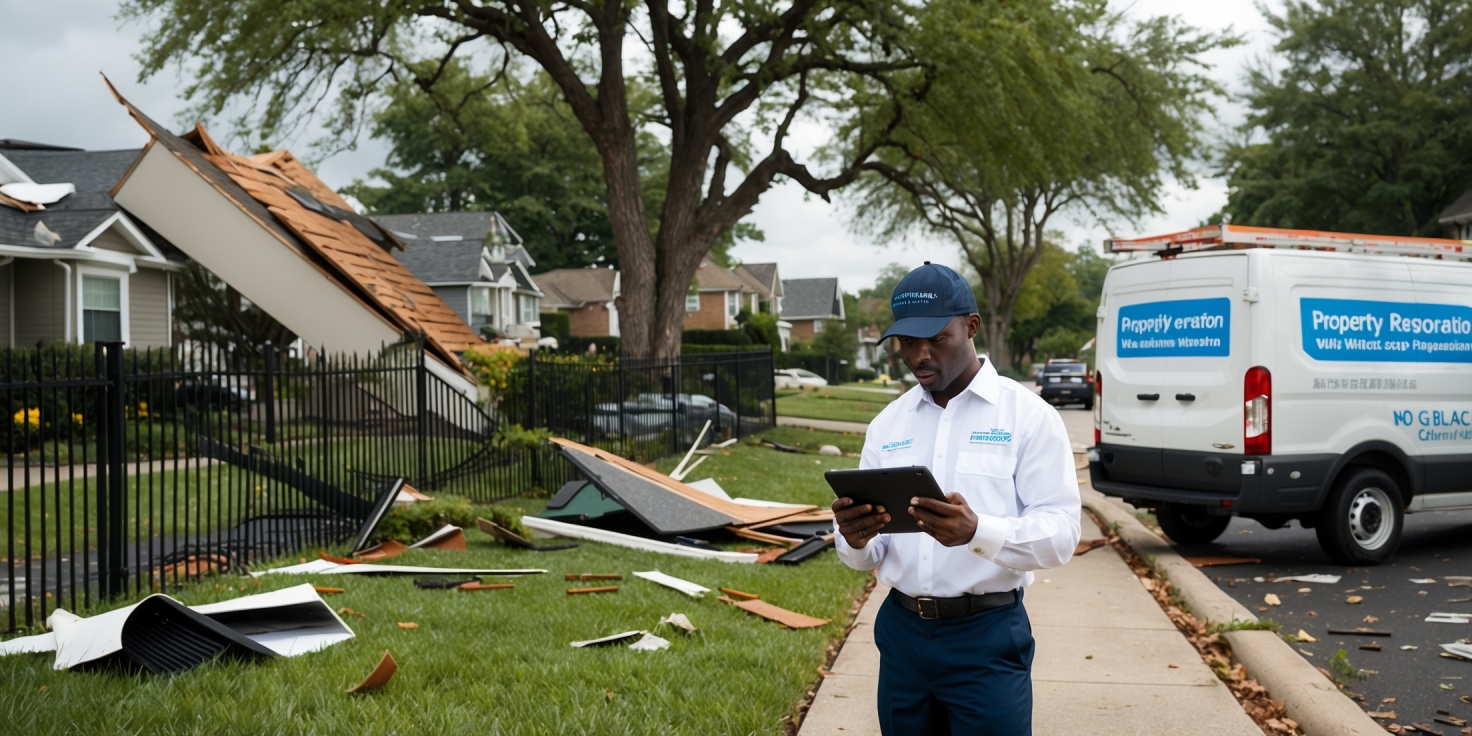
Dealing with property damage from heavy winds can be overwhelming, especially when you’re unsure where to begin. From broken windows and roof damage to fallen trees and structural issues, high winds can leave a trail of destruction that requires immediate attention. At LMR Public Adjusters – South Florida’s premier public adjusters – we understand how stressful this process can be. Our dedicated team specializes in helping property owners navigate the complexities of wind damage insurance claims, ensuring you receive the maximum compensation you deserve. Whether you’re facing storm damage, wind-related roof leaks, or other weather-related property issues, our personalized approach makes the claims process smoother and more effective. In this guide, we’ll walk you through how to handle property damage from heavy winds, including essential steps to take after a storm, documentation tips, and how to work with a public adjuster to protect your investment.
After a heavy windstorm, your first instinct may be to rush outside and assess the damage to your property. However, safety must be your top priority. High winds can cause hidden structural issues, downed power lines, and other hazards that may not be immediately visible. Before stepping outside or entering damaged areas, it’s crucial to take a cautious and systematic approach to evaluating the situation.
Start by ensuring that the storm has completely passed and that local authorities have declared it safe to go outside. If you suspect gas leaks, downed electrical lines, or structural instability, contact emergency services immediately. According to the Federal Emergency Management Agency (FEMA), “Always assume downed power lines are live and dangerous. Stay at least 30 feet away and report them to the utility company.”
Once it’s safe, begin your inspection from a distance. Use binoculars if necessary to examine the roof, siding, and upper levels of your home. Look for missing shingles, broken windows, displaced gutters, or fallen trees. Avoid climbing onto the roof yourself, as it may be unstable. Instead, hire a licensed professional to conduct a thorough inspection if needed.
When walking around your property, wear sturdy shoes, gloves, and protective clothing to guard against sharp debris. Document all visible damage with photos and videos from multiple angles. This evidence will be essential when filing an insurance claim. Be sure to include timestamps and detailed notes about each item or area affected.
“Documenting damage thoroughly and safely is the foundation of a successful insurance claim,” says the Insurance Information Institute. “Photos and videos can serve as irrefutable proof of loss.”
Pay special attention to less obvious areas where damage may have occurred. For example, inspect fences, sheds, garages, and outdoor HVAC units. Check for water intrusion around windows and doors, which could lead to mold growth if not addressed promptly. If you notice signs of water damage, visit our dedicated page on water damage for more information on how to handle it effectively.
Inside your home, proceed with caution. Look for cracks in the walls or ceilings, warped flooring, or water stains. These may indicate structural damage or leaks. If you suspect mold or mildew, it’s important to act quickly. Mold can begin to grow within 24 to 48 hours after moisture exposure. Learn more about identifying and managing mold issues on our mold damage page.
Here are some examples of what to look for during your assessment:
If your property is a business or commercial building, the process may be more complex. Damage to signage, inventory, or structural components can significantly impact operations. Visit our page on commercial properties to learn how to navigate these challenges effectively.
According to the National Oceanic and Atmospheric Administration (NOAA), wind speeds as low as 45 mph can cause minor damage, while gusts over 75 mph can lead to significant structural issues. This highlights the importance of a thorough and safe assessment, even if the damage appears minimal at first glance.
For those unfamiliar with the claims process or unsure of what to do next, our FAQ page provides answers to common questions about property damage and insurance claims. You can also learn more about our team and how we can assist you by visiting our about us page.
In conclusion, assessing wind damage safely requires patience, attention to detail, and a strong focus on personal safety. By taking the right precautions and documenting everything thoroughly, you can ensure a smoother recovery process and a stronger insurance claim. If you need professional guidance, don’t hesitate to reach out to experienced public adjusters who can help you navigate the complexities of property damage claims.
When heavy winds strike, the aftermath can leave your property in disarray, with everything from missing shingles and shattered windows to fallen trees and structural damage. In such situations, documenting the destruction thoroughly is a critical step in ensuring a successful insurance claim. Accurate and detailed documentation not only supports your claim but also helps expedite the process, allowing you to recover faster. Begin by taking comprehensive photographs and videos of all visible damage. Capture wide-angle shots to show the overall impact and close-ups to highlight specific issues like broken gutters, cracked walls, or damaged roofing. Be sure to document both the exterior and interior of your property, including areas that may not be immediately visible, such as attics, basements, and crawl spaces.
It is also essential to create a written inventory of damaged items. List each item with a brief description, estimated value, and the extent of the damage. If possible, include receipts, warranties, or previous appraisals to substantiate your claims. This is particularly important for high-value items like electronics, appliances, and furniture. For structural damage, consider hiring a licensed contractor or building inspector to provide a professional assessment. Their report can serve as a valuable piece of evidence when negotiating with your insurance company.
Timing is crucial. Document the damage as soon as it is safe to do so, ideally before any temporary repairs are made. While it may be necessary to take immediate action to prevent further damage—such as covering a broken window or tarping a leaking roof—ensure you photograph the area beforehand. Keep all receipts and records related to emergency repairs, as these may be reimbursable under your policy.
In addition to visual and written documentation, maintain a log of all communications with your insurance provider. Note the dates and times of phone calls, the names of representatives you speak with, and the content of your discussions. This log can be invaluable if disputes arise during the claims process. It is also wise to review your insurance policy carefully to understand what is covered and what documentation is required. If you are unsure about any aspect of your coverage, consult a professional for guidance.
Working with a public adjuster can significantly ease the burden of documenting and filing a claim. These professionals are experienced in assessing property damage and negotiating with insurance companies on behalf of policyholders. To learn more about how a public adjuster can assist you, visit our About Us page. They can help ensure that your documentation is complete and that your claim reflects the full extent of your losses.
For property owners dealing with extensive damage, especially in commercial settings, the documentation process can be even more complex. Business owners should also document any interruption to operations, loss of income, and additional expenses incurred due to the damage. For more information on handling such situations, explore our section on commercial properties.
Ultimately, thorough documentation is your strongest ally when dealing with property damage from heavy winds. It provides the foundation for a fair and accurate insurance claim, helping you recover not just your property but also your peace of mind. By taking the time to record every detail and seeking professional assistance when needed, you can navigate the claims process with greater confidence and efficiency.
Once you have ensured the safety of everyone on your property and documented the damage caused by heavy winds, the next critical step is to contact your insurance provider. Acting quickly is essential, as most insurance policies require timely reporting of property damage to initiate the claims process. Begin by reviewing your homeowners or commercial property insurance policy to understand what types of wind damage are covered. This includes structural damage to roofs, siding, windows, and even interior damage caused by wind-driven rain. Knowing the specifics of your policy will help you communicate more effectively with your insurance company and avoid potential delays.
When reaching out to your insurer, be prepared to provide detailed information about the incident. This includes the date and time of the windstorm, a description of the damage, and any immediate actions you took to prevent further loss, such as covering broken windows or securing loose roofing materials. Having photographic or video evidence of the damage will strengthen your claim and provide a clear visual reference for the insurance adjuster. It is also helpful to keep a record of all communications with your insurance company, including emails, phone calls, and any documents submitted.
In many cases, your insurance provider will assign an adjuster to inspect the damage and assess the cost of repairs. While this is a standard part of the process, it is important to remember that the adjuster works for the insurance company, not for you. To ensure your interests are fully represented, consider consulting with a licensed public adjuster. These professionals specialize in managing insurance claims and can help you navigate the complexities of the process. If you are unsure about how a public adjuster can assist you, visit our FAQ page for more information.
It is also important to understand that not all wind damage is immediately visible. Hidden structural issues, water intrusion, or compromised insulation may not be apparent at first glance. This is why a thorough inspection by a qualified professional is crucial. If your property has experienced significant damage, especially in areas prone to severe weather, you may want to explore our services for commercial properties or residential claims to ensure all aspects of the damage are properly evaluated.
Delays in contacting your insurance provider can result in claim denials or reduced compensation, so prompt action is key. Additionally, avoid making permanent repairs until the insurance adjuster has completed their inspection, as this could affect your claim. Temporary repairs to prevent further damage are generally acceptable and often encouraged, but be sure to keep receipts for any materials or services used, as these may be reimbursable.
Throughout the claims process, maintain open and honest communication with your insurance provider. Ask questions if you are unclear about any part of the procedure, and do not hesitate to seek professional guidance if you feel overwhelmed. The goal is to ensure that your property is restored to its pre-damage condition with minimal stress and financial burden.
For more insights on how to handle property damage and insurance claims, check out our blog page, where we share expert tips and real-life case studies. Taking the right steps after wind damage not only protects your property but also ensures you receive the compensation you deserve.
After a property has been hit by heavy winds, taking swift action to prevent further damage is crucial. Temporary repairs serve as a first line of defense, helping to stabilize the structure and protect it from additional harm until permanent repairs can be made. These quick fixes can make a significant difference in minimizing losses and ensuring the safety of occupants. One of the most immediate concerns is securing any openings in the building. Broken windows, damaged doors, and holes in the roof can allow rain and debris to enter, leading to water damage and mold growth. Covering these areas with tarps, plywood, or heavy-duty plastic sheeting can help keep the elements out. It is essential to ensure that these coverings are securely fastened to withstand ongoing weather conditions.
Another important step is to address any exposed electrical wiring or compromised utility lines. If power lines are down or electrical systems appear damaged, it is best to turn off the electricity at the main breaker and contact a licensed professional. Water intrusion can also pose a serious risk, especially if it reaches electrical outlets or appliances. In such cases, shutting off the water supply may also be necessary to prevent further complications. For more information on how to handle water-related issues, visit our page on water damage.
Roof damage is one of the most common consequences of heavy winds. Missing shingles, cracked tiles, or punctures can lead to leaks and structural weakening. Temporary roof patches using roofing tape, sealant, or tarps can provide a short-term solution. However, it is important to inspect the roof carefully and avoid walking on it if it appears unstable. Gutters and downspouts should also be checked and cleared of debris to ensure proper drainage and prevent water from pooling near the foundation.
Inside the property, remove any wet materials such as carpets, furniture, and insulation that could harbor mold. Use fans and dehumidifiers to dry out affected areas as quickly as possible. Mold can begin to grow within 24 to 48 hours, so acting promptly is essential. If you suspect mold has already started to develop, consider reviewing our resources on mold damage for guidance on next steps.
For commercial properties, temporary repairs may also involve securing inventory, equipment, and important documents. Business owners should take photographs of all damage before making any repairs to support future insurance claims. It is also advisable to keep receipts for any materials or services used during the temporary repair process, as these may be reimbursable under your insurance policy. Learn more about how we assist with commercial properties affected by storm damage.
While temporary repairs are essential, they should not replace professional assessments and permanent solutions. Once the immediate threats are mitigated, contact a qualified contractor or public adjuster to evaluate the full extent of the damage and begin the process of restoration. Acting quickly not only protects your property but also strengthens your insurance claim by demonstrating responsible mitigation efforts.
In the aftermath of heavy winds, staying proactive and organized can make a significant difference in recovery time and financial impact. Temporary repairs are a critical part of this process, helping to safeguard your home or business while you navigate the claims and restoration journey.
When your property suffers damage from heavy winds, the aftermath can be overwhelming. From structural issues to roof damage and broken windows, the scope of destruction often requires more than just a DIY approach. This is where hiring professional help becomes not only beneficial but essential. Restoration experts bring the experience, tools, and knowledge necessary to assess the full extent of the damage and implement effective solutions. They ensure that no hidden issues are overlooked, such as compromised structural integrity or water intrusion that could lead to mold growth later on.
One of the primary advantages of hiring professionals is their ability to respond quickly and efficiently. Time is critical when dealing with wind damage, especially if your home or business is exposed to the elements. Restoration teams can secure the property, prevent further damage, and begin the cleanup process immediately. They are trained to handle everything from debris removal to repairing roofs, siding, and windows, ensuring that your property is restored to its pre-damage condition as swiftly as possible.
Moreover, professional restoration companies are well-versed in working with insurance claims. They can provide detailed documentation of the damage, which is crucial when filing a claim. This includes photographs, written assessments, and repair estimates that support your case and help you receive the compensation you deserve. In many cases, they can even communicate directly with your insurance provider, reducing your stress and ensuring that the process moves smoothly. If you are unsure about how to navigate the claims process, visiting our property claims page can offer valuable insights.
Another key benefit of hiring professionals is their access to specialized equipment and techniques. For example, wind damage often leads to water intrusion, which can result in mold if not properly addressed. Restoration experts use industrial-grade dehumidifiers, air movers, and moisture meters to detect and eliminate hidden moisture. This proactive approach helps prevent secondary damage and ensures a healthier indoor environment. If you suspect water-related issues, our water damage services provide comprehensive solutions tailored to your needs.
Choosing the right restoration team is also crucial. Look for licensed and insured professionals with a strong reputation in your area. Reading customer feedback and checking credentials can help you make an informed decision. Our team at LMR Public Adjusters is committed to helping property owners recover from wind damage with minimal hassle. You can learn more about our mission and values by visiting our about us page.
In addition to repairs, restoration professionals can offer guidance on how to strengthen your property against future wind events. This might include reinforcing roofing materials, installing storm shutters, or improving drainage systems. Their expertise not only helps you recover but also prepares you for the next storm, offering peace of mind in the long run.
Ultimately, hiring professional help for restoration after heavy wind damage is a smart investment. It saves time, reduces stress, and ensures that the job is done right the first time. Whether you are dealing with minor damage or a major disaster, having experts by your side can make all the difference in restoring your property and your sense of security.
Taking proactive steps to protect your property from future windstorms is essential for minimizing damage and ensuring the safety of your home or business. While it is impossible to control the weather, there are several effective measures you can implement to reduce the risk of property damage caused by heavy winds. One of the first steps is to conduct a thorough inspection of your property. Check for loose shingles, damaged siding, and weak points in your roof structure. Reinforcing your roof with hurricane straps or clips can significantly increase its resistance to high winds. Additionally, consider installing impact-resistant windows and storm shutters to protect against flying debris, which is one of the leading causes of wind-related damage.
Landscaping also plays a crucial role in windstorm prevention. Trim trees and remove dead branches that could become airborne during a storm. Avoid planting large trees too close to your home, as their roots can weaken the foundation and their limbs can cause extensive damage if they fall. Secure outdoor furniture, grills, and other loose items that could be picked up by strong gusts. Storing these items indoors or anchoring them properly can prevent them from becoming dangerous projectiles.
Another important aspect of windstorm preparedness is ensuring that your insurance coverage is up to date and adequate. Review your policy to confirm that it includes wind damage and understand the terms and conditions. If you are unsure about your coverage or need help filing a claim, consulting with a public adjuster can be beneficial. At LMR Public Adjusters, we specialize in helping property owners navigate the complexities of insurance claims. Learn more about our services by visiting our about us page.
For commercial property owners, windstorm preparedness involves additional considerations. Reinforce signage, secure rooftop equipment, and ensure that all entry points are properly sealed. Business continuity plans should also be in place to minimize operational disruptions. If your business has already experienced damage, our team can assist with commercial property claims to help you recover quickly and efficiently.
Regular maintenance is another key preventative measure. Schedule routine inspections of your roof, windows, and doors to identify and address vulnerabilities before a storm hits. Keep gutters and downspouts clear to prevent water buildup and potential structural damage. Investing in high-quality building materials and professional installation can also make a significant difference in how well your property withstands severe weather.
Community resources and local building codes are valuable tools in windstorm prevention. Stay informed about updates to construction standards in your area, as these are often revised to reflect new insights into storm resilience. Participating in community preparedness programs can also provide access to useful information and support networks during emergencies.
Finally, having an emergency plan in place is vital. Ensure that all family members or employees know what to do before, during, and after a windstorm. Keep important documents in a safe, accessible location, and prepare an emergency kit with essentials such as water, non-perishable food, flashlights, and first aid supplies. Being well-prepared not only protects your property but also ensures the safety and well-being of everyone involved.
By implementing these preventative strategies, you can significantly reduce the risk of damage from future windstorms. Taking action now can save you time, money, and stress in the long run. For more tips and expert advice, explore our comprehensive blog where we cover a wide range of topics related to property protection and insurance claims.
When dealing with property damage caused by heavy winds, one of the most critical steps is understanding what your insurance policy covers. Wind damage can result in anything from broken windows and damaged roofs to structural issues and water intrusion. Knowing the specifics of your insurance coverage can make a significant difference in how quickly and effectively you recover from such events. Most homeowners and commercial property insurance policies include wind damage as a covered peril, but the extent of coverage can vary widely depending on the insurer, policy type, and location.
Start by reviewing your insurance policy documents carefully. Look for sections that detail windstorm or storm-related damage. Pay close attention to the deductible amounts, as wind damage often comes with a separate, higher deductible than other types of claims. In coastal or high-risk areas, insurers may impose windstorm deductibles that are calculated as a percentage of your property’s insured value rather than a flat dollar amount. This can significantly impact the amount you receive from a claim, so it’s essential to understand these terms before a storm hits.
Another important aspect to consider is whether your policy includes exclusions or limitations for certain types of wind damage. For example, some policies may not cover damage caused by wind-driven rain unless there is an opening in the structure caused by the wind itself. Similarly, if your property has not been properly maintained, insurers may deny claims on the grounds of negligence. This is why it’s crucial to document the condition of your property before and after a storm and to perform regular maintenance.
If you own a business or manage commercial properties, your insurance needs may be more complex. Commercial policies often include business interruption coverage, which can help cover lost income if your operations are halted due to wind damage. However, the terms and conditions for this coverage can be intricate, requiring a thorough understanding to ensure you receive the compensation you deserve.
In the aftermath of a storm, filing a claim can be a daunting process. Insurance companies may require detailed documentation, including photos, repair estimates, and proof of loss. Working with a public adjuster can help you navigate this process more effectively. Public adjusters are licensed professionals who represent policyholders in the insurance claims process, ensuring that you receive a fair settlement. If you’re unsure about how to proceed, visiting our FAQ page can provide answers to common questions about insurance claims and the role of public adjusters.
It’s also beneficial to understand the timeline and procedures involved in filing a claim. Most insurance policies require prompt notification of any damage, often within a specific number of days after the event. Delays in reporting can result in denied claims or reduced payouts. Additionally, insurers may send their own adjusters to assess the damage, but remember that these adjusters work for the insurance company, not for you. Having your own advocate can help ensure that all damage is properly documented and valued.
For homeowners, understanding your coverage is equally important. Wind damage can compromise the integrity of your home, leading to secondary issues like water intrusion and mold growth. Make sure your policy includes provisions for these related damages. If you’re dealing with extensive damage, our team can help you assess your situation and guide you through the claims process. Learn more about how we support homeowners by visiting our home-damaged page.
In conclusion, being well-informed about your insurance coverage is a key component of effectively handling property damage from heavy winds. Take the time to review your policy, understand your deductibles and exclusions, and consider seeking professional assistance to ensure your claim is handled properly. By doing so, you can protect your investment and recover more quickly from the impact of severe weather.
In conclusion, dealing with property damage from heavy winds can be a stressful and overwhelming experience, but taking the right steps can make the recovery process smoother and more manageable. By prioritizing safety, thoroughly documenting the damage, contacting your insurance provider promptly, and working with trusted professionals for repairs, you can restore your property and peace of mind. Additionally, taking preventative measures—such as reinforcing structures and securing outdoor items—can help minimize future wind-related damage. Being prepared and informed is your best defense against the unpredictable forces of nature.
Dania Beach, Broward County, Davie, Weston, Boca Raton, Cooper City, Coral Springs, Deerfield Beach, Fort Lauderdale, Hollywood, Parkland, Pembroke Pines, Pinecrest, Plantation, Pompano Beach, Sunrise, Fisher Island, Miramar, Delray Beach, Hallandale Beach , Lake Worth, Boynton