

Dealing with property damage from hurricanes can be a daunting task for homeowners, especially in hurricane-prone areas like South Florida. Understanding how to effectively handle such damage is crucial for ensuring a swift recovery and maximizing your insurance claims. At LMR Public Adjusters, South Florida’s premier public adjusters, we specialize in advocating for property owners to ensure they receive the compensation they deserve. Our dedicated team provides personalized assistance, guiding you through the complexities of the insurance claim process. In this guide, we will explore essential steps for managing hurricane-related property damage, from assessing the damage to filing a successful insurance claim. By following these strategies, you can protect your investment and restore your property efficiently. Whether you’re dealing with roof damage, flooding, or structural issues, our expertise will help you navigate the challenges and secure the best possible outcome for your situation.
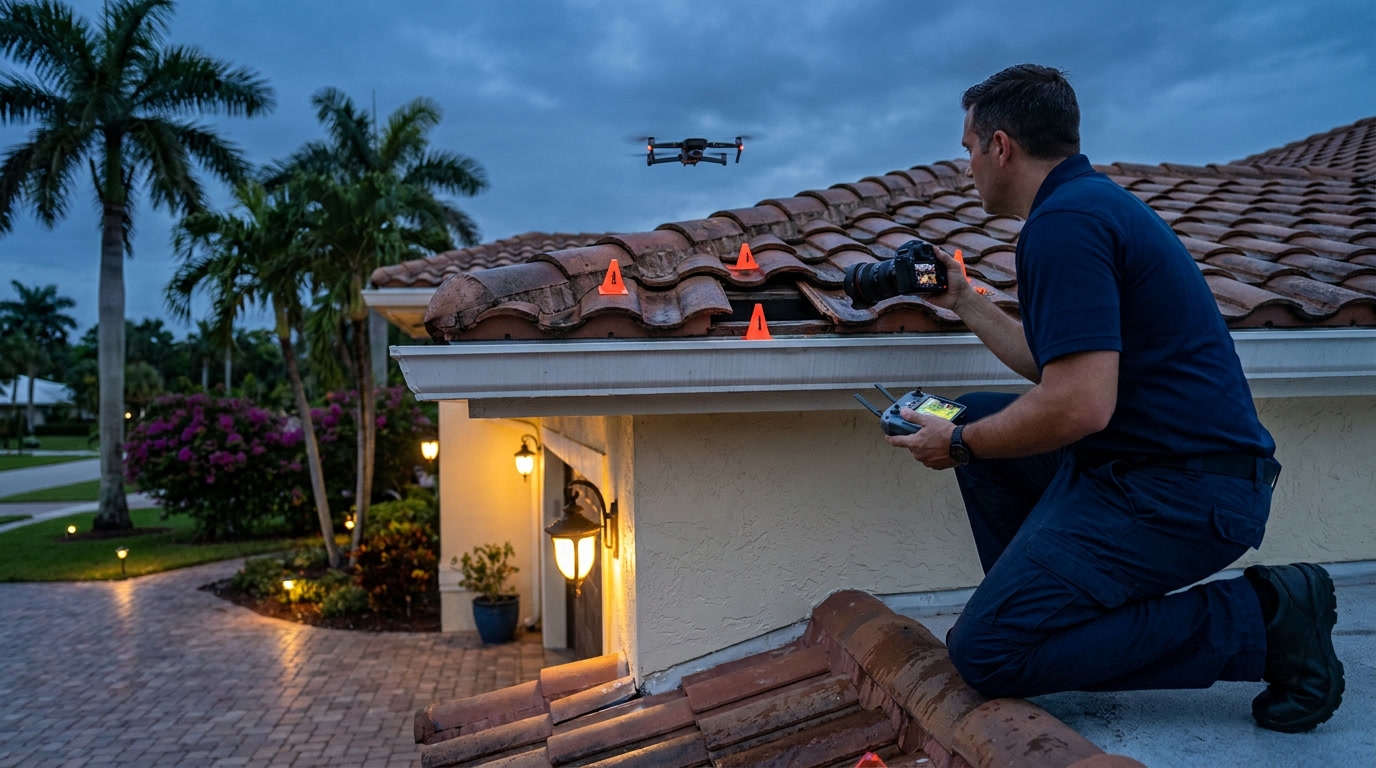
Assessing the extent of damage after a hurricane is a crucial step in the recovery process. It involves a thorough evaluation of your property to understand the full impact and to facilitate effective restoration. Begin by conducting a comprehensive inspection of your property, both inside and out. Look for visible signs of damage such as broken windows, roof leaks, and structural issues. Pay special attention to less obvious problems like water intrusion, which can lead to mold growth if not addressed promptly.
It’s advisable to document all damage with photographs and detailed notes. This documentation will be essential when filing insurance claims. According to the Insurance Information Institute, "documenting damage is a critical step in the claims process."
Consider hiring a professional, such as a public adjuster, who can provide an expert assessment and help maximize your insurance claim. Public adjusters have the expertise to identify all areas of damage, including those that are not immediately apparent, such as water damage or structural weaknesses.
For more detailed guidance, visit our blog page where we discuss various aspects of handling property damage. Additionally, our about us section provides insights into how we can assist you in the claims process.
When dealing with property damage from hurricanes, documenting the damage thoroughly is crucial for a successful insurance claim. Start by taking clear, detailed photographs and videos of all affected areas, both inside and outside your property. Capture wide shots to show the extent of the damage, as well as close-ups for specific details. Make sure to include any structural damage, water intrusion, and damage to personal belongings. It’s also beneficial to take photos of undamaged areas for comparison.
Create a comprehensive inventory of damaged items, noting their condition, age, and approximate value. If possible, gather receipts or proof of purchase for high-value items. This documentation will support your claim and help the insurance adjuster assess the extent of the damage accurately.
Keep a detailed record of all communication with your insurance company, including dates, times, and the names of representatives you speak with. Save copies of any emails or letters exchanged. This documentation can be invaluable if there are disputes or delays in processing your claim.
Consider consulting with a public adjuster to ensure you receive a fair settlement. They can provide expert guidance and assist in negotiating with your insurance company. For more information on handling property damage claims, visit our blog page for tips and resources. Proper documentation is key to navigating the insurance claims process smoothly and efficiently.
After a hurricane has caused property damage, one of the first steps you should take is contacting your insurance provider. This crucial step ensures that you begin the process of filing a claim to cover the damages. Start by reviewing your insurance policy to understand what is covered and gather all necessary documentation, such as photographs of the damage and an inventory of affected items. When you contact your insurance provider, be prepared to provide detailed information about the extent of the damage and any immediate repairs you have made to prevent further issues.
It’s important to report the damage as soon as possible, as many insurance companies have specific time frames for filing claims. During your conversation with the insurance representative, take notes and ask for clarification on any part of the process you do not understand. You might also want to inquire about the next steps, such as when an adjuster will visit your property and what additional information you may need to provide.
For more detailed guidance on handling property damage claims, you can explore resources such as our FAQ page or learn more about specific types of damage like wind damage. If you need personalized assistance, consider reaching out to our Fort Lauderdale public adjusters for expert help in navigating the claims process.
In the aftermath of a hurricane, addressing property damage promptly is crucial to ensure safety and prevent further deterioration. Temporary repairs and safety measures are essential steps in managing the immediate aftermath of such natural disasters. Begin by assessing the extent of the damage to your property. Prioritize areas that pose safety hazards, such as broken windows, damaged roofs, or exposed electrical wiring. Cover broken windows with plywood or heavy-duty plastic to prevent water intrusion and further damage. For roof damage, use tarps to cover exposed areas, reducing the risk of water leaks.
Ensure that all electrical systems are turned off if there is any risk of water exposure to prevent electrical hazards. If you notice any structural damage, such as cracks in walls or foundations, it is advisable to consult with professionals for a thorough assessment. Additionally, remove any debris or fallen branches from your property to prevent accidents and further damage.
For more detailed guidance on handling specific types of damage, such as wind damage or water damage, consider consulting experts. If you are dealing with extensive damage, it may be beneficial to contact a public adjuster to assist with your property claims. They can provide valuable insights and help ensure you receive the compensation needed to restore your property. Taking these temporary measures can significantly mitigate the impact of hurricane damage and safeguard your home until permanent repairs can be made.
When dealing with property damage from hurricanes, hiring professional help for repairs is crucial to ensure the safety and integrity of your home or commercial property. Professional contractors have the expertise and tools necessary to assess and repair damage effectively, whether it involves structural issues, water damage, or wind damage.
Choosing the right professionals can be a daunting task, but it’s essential to select licensed and insured contractors who have experience with hurricane damage. Start by researching local contractors and checking their reviews and ratings. It’s also beneficial to ask for recommendations from friends or neighbors who have faced similar situations.
Once you have a list of potential contractors, request detailed estimates and timelines for the repairs. This will help you compare costs and make an informed decision. Be wary of contractors who demand large upfront payments or offer significantly lower prices than others, as these can be red flags for scams.
Additionally, consider consulting with a public adjuster to ensure that your insurance claim is handled correctly and that you receive the compensation you deserve. Public adjusters can guide you through the claims process, helping you understand the extent of your coverage and ensuring that all necessary repairs are covered. For more information on handling property claims, visit our blog.
When dealing with property damage from hurricanes, understanding your insurance policy coverage is crucial. Your policy is your primary defense against the financial burden of repairs and restoration. Start by thoroughly reviewing your policy documents to identify what types of property claims are covered. Most standard policies cover wind damage, but you may need separate endorsements for flood or water damage, which are common in hurricane scenarios.
It’s important to note any exclusions or limitations in your policy. For instance, some policies might not cover damage from mold, which can develop after water exposure. If you live in a high-risk area, consider additional coverage options to protect against these specific threats. Understanding the details of your deductible is also essential, as hurricane-related claims often have higher deductibles than other types of claims.
If you’re unsure about any aspect of your policy, don’t hesitate to reach out to a professional, such as a Fort Lauderdale public adjuster, who can help clarify your coverage and assist with the claims process. They can also provide guidance on documenting damage and filing claims efficiently.
For more insights and tips on handling hurricane damage, visit our blog page, where we provide valuable information to help you navigate the complexities of insurance claims and ensure you receive the compensation you deserve.
To effectively handle property damage from hurricanes, it’s crucial to prepare in advance for future storms. Start by assessing your property’s vulnerability to hurricanes. Identify areas that are prone to wind damage, flooding, or structural weaknesses. Reinforce these areas by installing storm shutters, reinforcing your roof, and securing outdoor items that could become projectiles during high winds.
Next, review your insurance policy to ensure it provides adequate coverage for hurricane-related damages. Consider consulting with a professional to understand the specifics of your policy and to determine if additional coverage is necessary. It’s also wise to document your property’s current condition with photos and videos, which can be invaluable when filing property claims after a hurricane.
Create an emergency plan that includes evacuation routes, emergency contacts, and a checklist of essential items such as water, food, and medical supplies. Ensure all family members are familiar with the plan and conduct regular drills to keep everyone prepared.
Additionally, stay informed about local resources and support systems available in your area. For instance, if you reside in South Florida, familiarize yourself with the services offered by Fort Lauderdale public adjusters who can assist with navigating the claims process post-hurricane.
By taking these proactive steps, you can minimize potential damage and ensure a quicker recovery after a hurricane strikes.
In conclusion, handling property damage from hurricanes requires a proactive and organized approach. By preparing in advance, understanding your insurance coverage, and knowing the steps to take immediately after a storm, you can significantly mitigate the impact of such natural disasters. It’s crucial to document all damage thoroughly, communicate effectively with your insurance provider, and seek professional help when necessary. Remember, the safety of you and your loved ones is paramount, so always prioritize evacuation and emergency protocols when a hurricane is imminent. By staying informed and prepared, you can navigate the aftermath of a hurricane with resilience and confidence, ensuring a smoother recovery process for your property and peace of mind for yourself.
Dania Beach, Broward County, Davie, Weston, Boca Raton, Cooper City, Coral Springs, Deerfield Beach, Fort Lauderdale, Hollywood, Parkland, Pembroke Pines, Pinecrest, Plantation, Pompano Beach, Sunrise, Fisher Island, Miramar, Delray Beach, Hallandale Beach , Lake Worth, Boynton