

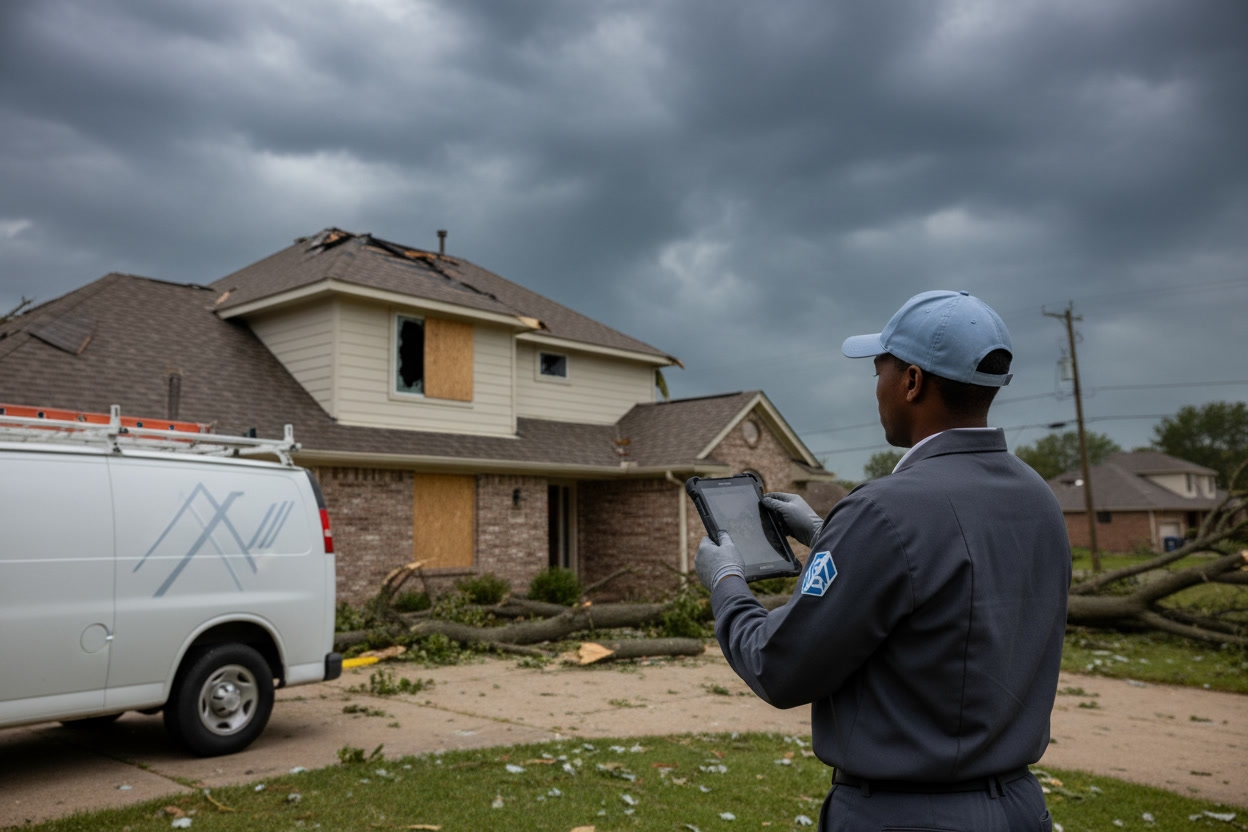
When nature unleashes its fury, few weather phenomena are as sudden and destructive as microbursts. These intense, localized downdrafts can cause significant property damage in a matter of minutes, leaving homeowners and business owners scrambling to recover. Unlike hurricanes or tornadoes, microbursts often strike without warning, making them particularly dangerous and challenging to prepare for. Understanding how to handle property damage from microbursts is essential for protecting your investment and ensuring a smooth recovery process.
At LMR Public Adjusters – South Florida’s premier public adjusters – we specialize in advocating for property owners to maximize insurance claims with a personalized, dedicated team. Our experience in handling storm-related claims, including those caused by microbursts, gives us a unique insight into the steps you should take immediately after damage occurs. This comprehensive guide will walk you through everything you need to know about microbursts, the types of damage they cause, and how to effectively manage the aftermath.
Whether you’re a homeowner, commercial property manager, or business owner, this guide will equip you with the knowledge and resources to navigate the complexities of insurance claims, property restoration, and long-term prevention strategies. Let’s dive into the critical steps you should take to handle property damage from microbursts effectively.
Microbursts are powerful, localized columns of sinking air within a thunderstorm that can produce damaging winds at or near the surface. These winds can reach speeds of up to 100 mph, rivaling the strength of a Category 2 hurricane. Unlike tornadoes, which have a rotating motion, microbursts push air straight down and outward, creating a blast of wind that can flatten trees, rip off roofs, and shatter windows.
There are two main types of microbursts: wet and dry. Wet microbursts are accompanied by heavy rainfall, while dry microbursts occur with little to no precipitation. Both types can cause extensive damage, particularly to structures that are not built to withstand such sudden and intense wind forces. In South Florida, where thunderstorms are frequent, microbursts pose a significant threat to both residential and commercial properties.
The damage caused by microbursts can be extensive and varied. Common issues include:
Understanding the nature of microbursts and the types of damage they cause is the first step in preparing for and responding to these sudden weather events. If you live in an area prone to severe thunderstorms, it’s crucial to have a plan in place and know who to call when disaster strikes. For more information on how microbursts compare to other types of storm damage, visit our wind damage resource page.
When a microburst strikes, the aftermath can be overwhelming. The first few hours are critical for ensuring your safety and beginning the recovery process. Here are the immediate steps you should take to handle property damage from a microburst effectively:
Before assessing any damage, make sure that you and your family or employees are safe. Avoid downed power lines, broken glass, and unstable structures. If your property has sustained significant damage, evacuate and wait for emergency services to declare it safe to re-enter.
Once it’s safe, begin documenting the damage. Take clear, high-resolution photos and videos of all affected areas, including the exterior and interior of the property. This documentation will be crucial when filing your insurance claim. Be thorough—capture everything from roof damage to water stains on ceilings and walls.
Insurance policies often require policyholders to take reasonable steps to prevent further damage. This might include tarping a damaged roof, boarding up broken windows, or shutting off water and electricity to prevent additional issues. Keep receipts for any emergency repairs or supplies you purchase, as these may be reimbursable.
Before contacting your insurance company, consider reaching out to a public adjuster. At LMR Public Adjusters, we represent your interests—not the insurance company’s. Our team will help you understand your policy, assess the full extent of the damage, and ensure that your claim is filed correctly and promptly. Learn more about our services by visiting our About Us page.
After consulting with a public adjuster, notify your insurance company of the damage. Provide them with the documentation you’ve gathered and any additional information requested. Be cautious in your communications—avoid making statements that could be interpreted as accepting blame or downplaying the severity of the damage.
Taking these immediate steps can significantly impact the outcome of your insurance claim and the speed of your recovery. For answers to common questions about the claims process, visit our FAQ page.
Filing an insurance claim after a microburst can be a complex and time-consuming process. Insurance companies often scrutinize claims related to storm damage, and without proper documentation and representation, you may receive a settlement that falls short of covering your losses. Here’s how to navigate the claims process effectively:
Start by reviewing your homeowner’s or commercial property insurance policy. Pay close attention to coverage limits, exclusions, and deductibles. Some policies may not cover certain types of wind or water damage, or they may have separate deductibles for hurricane or storm-related claims.
One of the best ways to ensure a fair settlement is to work with a public adjuster. At LMR Public Adjusters, we conduct a comprehensive assessment of your property, prepare detailed estimates, and negotiate directly with the insurance company on your behalf. Our goal is to maximize your claim and relieve you of the stress and confusion that often accompanies the claims process.
When submitting your claim, include all relevant documentation: photos, videos, repair estimates, receipts, and a written description of the damage. Be as detailed as possible. The more evidence you provide, the stronger your claim will be.
Stay in regular contact with your insurance company and your public adjuster. Keep a log of all communications, including dates, times, and the names of representatives you speak with. This record can be invaluable if disputes arise later in the process.
If your claim is denied or the settlement offer is insufficient, don’t give up. You have the right to appeal the decision. Your public adjuster can help you gather additional evidence and present a compelling case for reconsideration.
For more information on the types of claims we handle, visit our property claims page. Whether you’re dealing with roof damage, water intrusion, or structural issues, we’re here to help you every step of the way.
Once your insurance claim is underway, the next step is restoring your property to its pre-damage condition. This phase involves hiring contractors, managing repairs, and ensuring that all work meets safety and quality standards. Here’s how to approach the restoration process:
Work with licensed, insured, and experienced contractors who specialize in storm damage restoration. Ask for references, check online reviews, and verify credentials before signing any contracts. Avoid “storm chasers” who may offer quick fixes but deliver subpar results.
Start with the most critical repairs, such as stabilizing the structure, replacing damaged roofing, and addressing water intrusion. Delaying these repairs can lead to further damage, including mold growth and compromised structural integrity.
Microbursts often bring heavy rain, leading to water damage and potential mold growth. It’s essential to dry out affected areas quickly and thoroughly. Use dehumidifiers, fans, and professional drying services. If mold is present, hire a certified mold remediation specialist. Learn more about this issue on our mold damage page.
Maintain a file of all repair-related documents, including contracts, invoices, permits, and inspection reports. These records may be needed for your insurance claim or future property transactions.
Once repairs are complete, conduct a thorough inspection to ensure all work meets your expectations and complies with local building codes. Don’t hesitate to request corrections if something isn’t right.
Restoring your property after a microburst is a significant undertaking, but with the right team and a clear plan, you can rebuild stronger than before. If you’re located in South Florida, our team at LMR Public Adjusters is ready to assist you with every aspect of the recovery process. Visit our home damage page to learn more about how we can help.
While microbursts are unpredictable, there are steps you can take to minimize the risk of future damage. Investing in preventative measures can save you time, money, and stress in the long run. Here are some strategies to consider:
Ensure your roof is in good condition and built to withstand high winds. Consider installing hurricane straps, impact-resistant shingles, and reinforced roofing materials. Regular inspections can help identify and address vulnerabilities before a storm hits.
Install storm shutters or impact-resistant windows to protect against flying debris. Reinforce garage doors and entry doors with heavy-duty hardware to prevent them from being blown in during a microburst.
Trim trees and remove dead branches that could become projectiles in high winds. Avoid planting large trees too close to your home or commercial building. Secure outdoor furniture and equipment to prevent them from causing damage.
Power outages are common after microbursts. A backup generator can keep essential systems running, including sump pumps, refrigeration, and medical equipment.
Make sure your insurance coverage is adequate and up to date. Consider adding endorsements or riders for wind and water damage if they’re not already included. Consult with a public adjuster to understand your policy’s strengths and weaknesses.
Taking proactive steps to protect your property can make a significant difference when the next storm hits. For more tips and resources, check out our blog, where we regularly share expert advice on storm preparedness and property protection.
Microbursts may be brief, but their impact can be devastating. From shattered windows to collapsed roofs, the damage they cause requires swift and strategic action. By understanding the nature of microbursts, taking immediate safety and documentation steps, filing a comprehensive insurance claim, and working with trusted professionals for restoration, you can navigate the aftermath with confidence.
At LMR Public Adjusters, we are committed to standing by your side during every phase of the recovery process. Our experienced team works tirelessly to ensure you receive the maximum compensation you deserve, allowing you to focus on rebuilding and moving forward. Whether you’re in Fort Lauderdale, Plantation, or anywhere in South Florida, we’re here to help you weather the storm and come out stronger on the other side.
Don’t wait until disaster strikes. Contact us today to schedule a free consultation and discover how we can help you protect your property and your peace of mind.
Dania Beach, Broward County, Davie, Weston, Boca Raton, Cooper City, Coral Springs, Deerfield Beach, Fort Lauderdale, Hollywood, Parkland, Pembroke Pines, Pinecrest, Plantation, Pompano Beach, Sunrise, Fisher Island, Miramar, Delray Beach, Hallandale Beach , Lake Worth, Boynton