

Storm surges can be a homeowner’s worst nightmare, leaving a trail of destruction in their wake. If you’ve ever faced the wrath of a storm surge, you know the aftermath can be overwhelming. But fear not! With the right approach, you can navigate the chaos and come out stronger on the other side. In this guide, we’ll explore how to handle property damage from storm surges, ensuring you maximize your insurance claims and restore your home to its former glory.
Storm surges are like nature’s battering ram, pushing massive amounts of water onto land. But what exactly causes them, and why are they so destructive?
Storm surges occur when strong winds from a storm, typically a hurricane, push ocean water onto the shore. This can lead to significant flooding, especially in low-lying coastal areas. The combination of high winds, low atmospheric pressure, and the topography of the coastline can exacerbate the surge, making it even more dangerous.
The damage from storm surges can be extensive. Water can infiltrate homes, causing structural damage, ruining personal belongings, and leading to mold growth. It’s not just about the immediate damage; the long-term effects can be just as devastating. For more insights on how water can damage your property, check out our water damage page.
Once the storm has passed, it’s crucial to act quickly to mitigate further damage and start the recovery process.
Before you even think about assessing the damage, make sure it’s safe to return to your property. Check for downed power lines, gas leaks, and structural damage. If you’re unsure, it’s best to wait for professionals to give the all-clear.
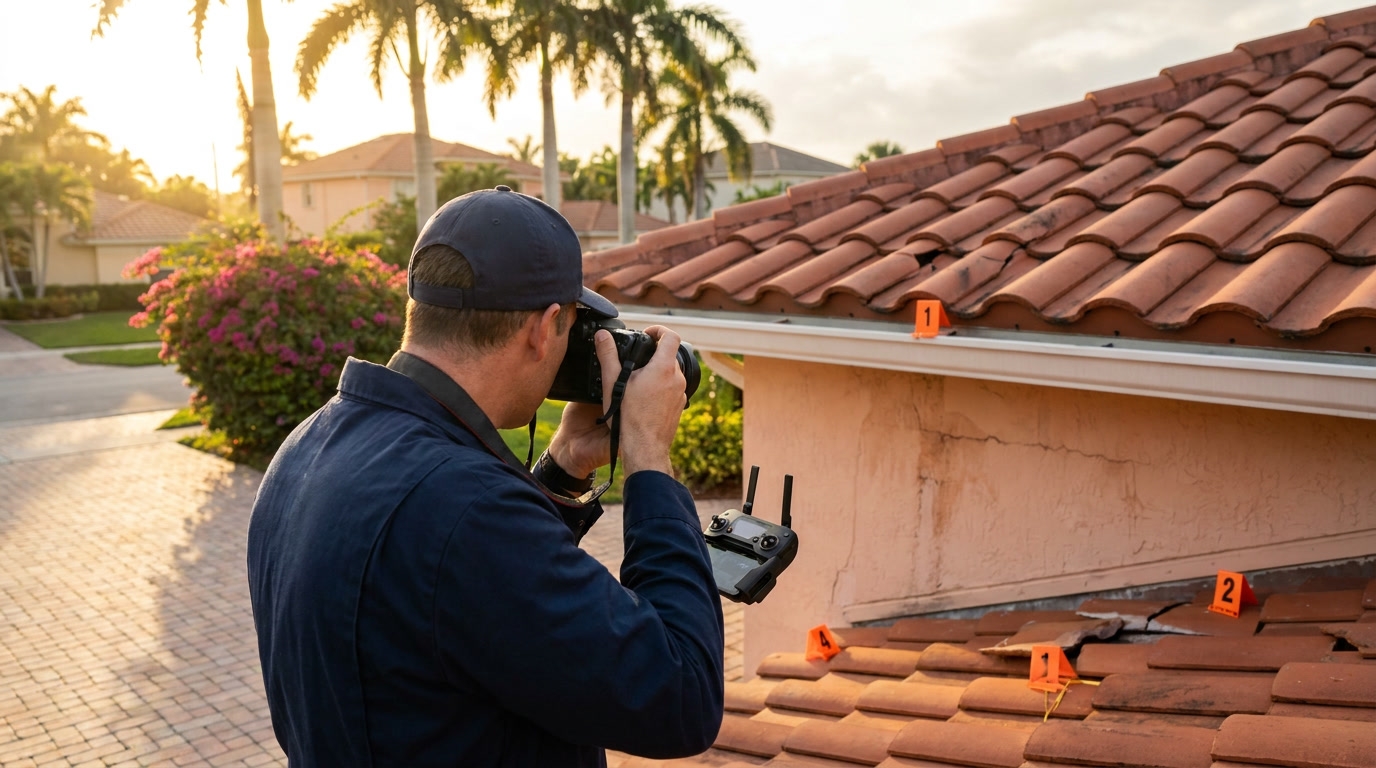
Once it’s safe, document everything. Take photos and videos of all the damage, both inside and outside your home. This will be invaluable when filing your insurance claim. Remember, the more evidence you have, the stronger your case will be. For tips on documenting damage, visit our FAQ section.
Notify your insurance company as soon as possible. Provide them with all the documentation you’ve gathered. It’s essential to understand your policy and what it covers. If you’re feeling overwhelmed, consider reaching out to LMR Public Adjusters, South Florida’s premier public adjusters. Our dedicated team is here to advocate for property owners and help maximize insurance claims. Learn more about us here.
Once you’ve taken the initial steps, it’s time to focus on restoring your property. This process can be lengthy, but with the right approach, you can rebuild stronger than before.
While it might be tempting to handle repairs yourself, hiring professionals is often the best route. They have the expertise and equipment to ensure the job is done correctly. Whether it’s water extraction, mold remediation, or structural repairs, professionals can save you time and money in the long run. For more on professional restoration services, check out our home damage page.
As you rebuild, consider implementing measures to prevent future storm surge damage. This might include elevating your home, installing flood barriers, or improving drainage systems. Investing in these measures now can save you a lot of heartache down the road.
Navigating the insurance claim process can be daunting, especially when dealing with the aftermath of a storm surge. This is where public adjusters come in.
Public adjusters are licensed professionals who work on behalf of policyholders to ensure they receive the maximum payout from their insurance claims. They handle all the paperwork, negotiate with the insurance company, and advocate for your best interests. At LMR Public Adjusters, we pride ourselves on our personalized approach, ensuring each client receives the attention and support they deserve. Discover more about our services here.
When selecting a public adjuster, it’s essential to choose someone with experience, a solid reputation, and a proven track record. Look for reviews and testimonials from past clients to gauge their effectiveness. For reviews on our services, visit our Google Reviews page.
Dealing with property damage from storm surges can be a daunting task, but with the right approach and support, you can navigate the process effectively. Remember to prioritize safety, document everything, and consider hiring professionals to assist with repairs and insurance claims. And if you ever feel overwhelmed, know that LMR Public Adjusters is here to help you every step of the way.
What is a storm surge?
A storm surge is a rise in sea level caused by a storm’s winds pushing water onto the shore, often leading to significant flooding and property damage.
How can I protect my home from future storm surges?
Consider elevating your home, installing flood barriers, and improving drainage systems to mitigate future storm surge damage.
Why should I hire a public adjuster?
Public adjusters work on your behalf to ensure you receive the maximum payout from your insurance claims, handling all negotiations and paperwork.
What should I do immediately after a storm surge?
Ensure safety first, document all damage, and contact your insurance company as soon as possible to start the claims process.
How can LMR Public Adjusters assist me?
LMR Public Adjusters offers personalized support to help you maximize your insurance claims, providing expert guidance and advocacy throughout the process.
Dania Beach, Broward County, Davie, Weston, Boca Raton, Cooper City, Coral Springs, Deerfield Beach, Fort Lauderdale, Hollywood, Parkland, Pembroke Pines, Pinecrest, Plantation, Pompano Beach, Sunrise, Fisher Island, Miramar, Delray Beach, Hallandale Beach , Lake Worth, Boynton