

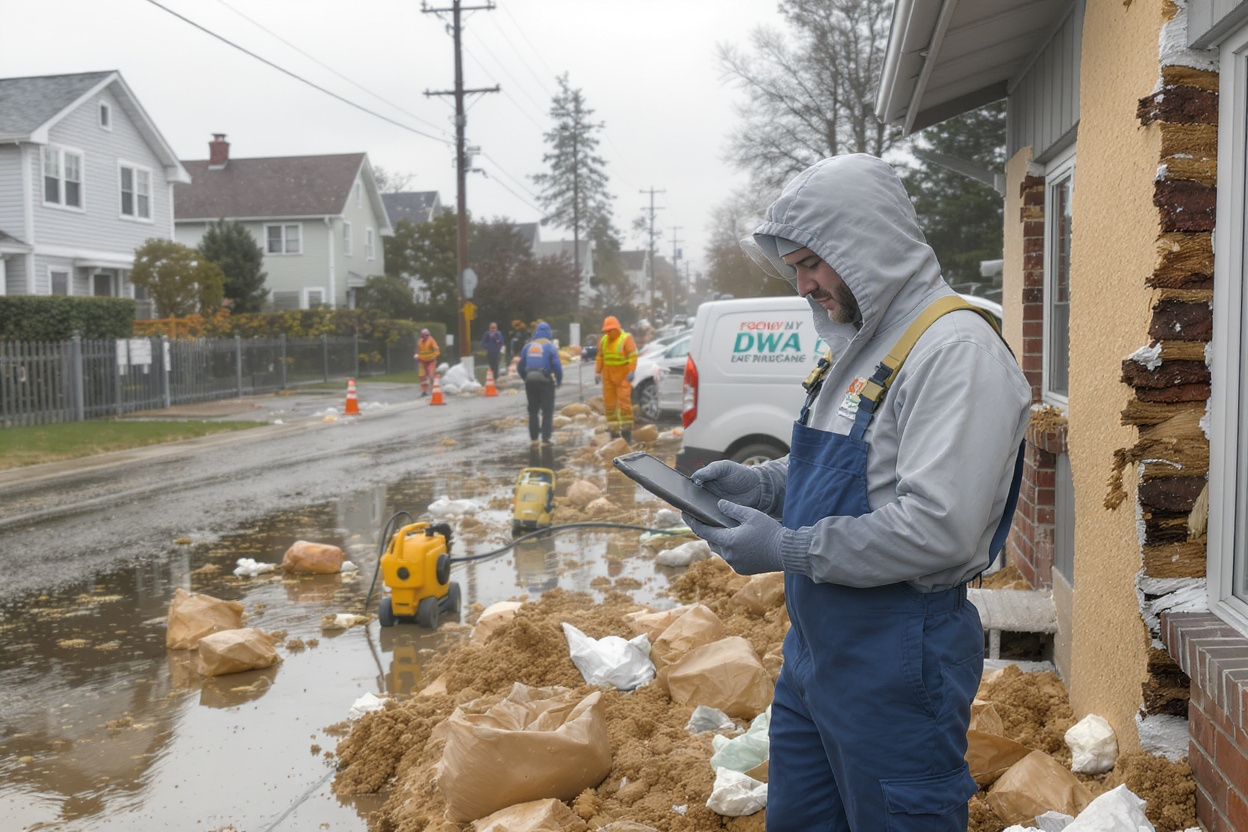
Tidal flooding can cause significant property damage, especially for homeowners and businesses located in coastal areas like South Florida. From structural issues and water intrusion to mold growth and electrical hazards, the aftermath of tidal flooding can be overwhelming. Knowing how to handle property damage from tidal flooding is crucial to protecting your investment and ensuring a smooth recovery process. At LMR Public Adjusters, we understand the unique challenges that come with flood damage, particularly in high-risk areas such as Miami, Fort Lauderdale, West Palm Beach, Naples, Orlando, and Tampa. As a trusted leader in public adjusting services across Florida, we specialize in helping property owners navigate the complexities of insurance claims related to storm damage, water damage, and other flood-related issues. Our experienced team of insurance claim adjusters in Hollywood is dedicated to securing the maximum compensation you deserve. Whether you’re dealing with pipe burst damage, mold damage, or any other form of property loss, LMR Public Adjusters is here to guide you every step of the way. With our no recovery, no fee policy and free claim assessment, you can trust us to advocate for your best interests during this challenging time.
When dealing with the aftermath of tidal flooding, one of the most critical steps is accurately assessing the extent of the damage to your property. This process not only helps in understanding the scope of repairs needed but also plays a vital role in filing a successful insurance claim. Tidal floods, often caused by storm surges, high tides, or sea-level rise, can result in both visible and hidden damage to residential and commercial properties. According to the National Oceanic and Atmospheric Administration (NOAA), high tide flooding has increased by over 400% in some U.S. coastal communities since 2000, making it more important than ever to conduct thorough damage assessments.
The first step in evaluating tidal flood damage is to ensure safety. Before entering a flooded property, confirm that the structure is stable and that there are no electrical hazards. Once it is safe, begin documenting the damage. Take clear, timestamped photographs and videos of all affected areas, including walls, floors, ceilings, and personal belongings. This visual evidence will be crucial when working with insurance adjusters or filing property claims.
Next, inspect the structural integrity of the building. Tidal floods can weaken foundations, warp flooring, and compromise load-bearing walls. Look for cracks in the foundation, uneven floors, or doors and windows that no longer close properly. These signs may indicate deeper structural issues that require professional evaluation. Additionally, check for water intrusion in basements, crawl spaces, and behind walls, as these areas are particularly susceptible to hidden moisture damage.
Water damage from tidal flooding often leads to secondary issues such as mold growth and wood rot. According to the Environmental Protection Agency (EPA), mold can begin to grow within 24 to 48 hours of water exposure. Therefore, it is essential to assess for signs of mold, such as musty odors, discoloration on walls or ceilings, and respiratory symptoms among occupants. If mold is suspected, consider consulting a professional for a comprehensive inspection and remediation plan. For more information on related issues, visit our page on mold damage.
Electrical and plumbing systems should also be evaluated. Saltwater from tidal floods is particularly corrosive and can damage wiring, outlets, and circuit breakers. Have a licensed electrician inspect the system before restoring power. Similarly, plumbing systems may be compromised due to sediment buildup or pipe corrosion. If you notice reduced water pressure, discolored water, or unusual noises, it may be necessary to consult a plumber.
In addition to the physical damage, assess the impact on personal property. Furniture, electronics, clothing, and important documents may be irreparably damaged by floodwaters. Create an inventory of all affected items, including their estimated value and condition before the flood. This inventory will support your insurance claim and help determine what can be salvaged or replaced.
For commercial properties, the assessment process includes evaluating business interruption losses. Tidal flooding can halt operations, leading to lost revenue and additional expenses. Document any downtime, canceled contracts, or extra costs incurred due to the flood. This information is vital for filing a business interruption claim. Learn more about how we assist with commercial properties affected by flooding.
It is also important to consider the long-term implications of tidal flood damage. Repeated exposure to saltwater can degrade building materials over time, leading to chronic issues such as rust, corrosion, and weakened infrastructure. A professional assessment can help identify these risks and recommend preventive measures to mitigate future damage.
To ensure a comprehensive evaluation, consider hiring a public adjuster. These professionals specialize in assessing property damage and negotiating with insurance companies on your behalf. They can help you understand your policy, document the damage accurately, and maximize your claim settlement. Learn more about our team and how we can assist you by visiting our about us page.
Here are some examples of what to look for during a tidal flood damage assessment:
"The sooner you assess and document the damage, the better your chances of receiving a fair insurance settlement."
According to FEMA, over 25% of flood insurance claims come from properties outside high-risk flood zones, highlighting the importance of being prepared regardless of location. For residents in flood-prone areas, it is advisable to conduct regular inspections and maintain an updated emergency plan.
For further guidance on handling water-related property damage, visit our dedicated page on water damage. You can also explore our FAQ section for answers to common questions about flood claims and property assessments.
In conclusion, assessing the extent of tidal flood damage is a meticulous but essential process that lays the foundation for effective recovery. By thoroughly documenting the damage, consulting professionals, and understanding your insurance coverage, you can navigate the aftermath of tidal flooding with greater confidence and clarity.
Filing an insurance claim for property damage caused by tidal flooding can be a complex and time-sensitive process, but understanding the correct steps can significantly improve your chances of receiving a fair settlement. The first step is to ensure your safety and that of your family. Once the immediate danger has passed and it is safe to return to your property, begin documenting the damage thoroughly. Take clear, timestamped photographs and videos of all affected areas, including structural damage, water lines on walls, ruined furniture, and damaged personal belongings. This visual evidence will be crucial when presenting your case to the insurance company. Next, review your insurance policy carefully to understand what types of flood damage are covered and what exclusions may apply. If you have a separate flood insurance policy through the National Flood Insurance Program (NFIP) or a private insurer, make sure to check the specific terms and limits. Notify your insurance provider as soon as possible to initiate the claims process. Most insurers have a deadline for reporting flood damage, so acting quickly is essential. When you contact them, be ready to provide your policy number, a description of the damage, and any supporting documentation. An insurance adjuster will likely be assigned to inspect your property and assess the extent of the damage. It is advisable to be present during this inspection to point out all affected areas and ensure nothing is overlooked. If you feel overwhelmed or uncertain about the process, consider seeking help from a licensed public adjuster who can advocate on your behalf and help maximize your claim. For example, the team at LMR Public Adjusters specializes in handling complex property claims and can guide you through each step. Additionally, make temporary repairs to prevent further damage, such as covering broken windows or placing tarps over roof leaks, but avoid making permanent repairs until the adjuster has completed their inspection. Keep all receipts for any expenses related to these temporary fixes, as they may be reimbursable. Maintain detailed records of all communications with your insurance company, including dates, names of representatives, and summaries of conversations. If your claim is denied or the settlement offer is insufficient, you have the right to dispute the decision. In such cases, professional assistance can be invaluable. LMR Public Adjusters also offers services in various locations, including Hollywood, where local expertise can make a significant difference in navigating regional insurance practices. Understanding your rights, staying organized, and seeking expert help when needed are key to successfully filing an insurance claim for tidal flood damage.
In conclusion, dealing with property damage from tidal flooding can be overwhelming, but taking the right steps can make the recovery process more manageable. By prioritizing safety, documenting the damage thoroughly, contacting your insurance provider promptly, and seeking professional help for repairs, you can begin to restore your home and peace of mind. Additionally, considering long-term solutions such as flood-proofing measures and staying informed about local flood risks can help protect your property in the future. Preparation and prompt action are key to minimizing the impact of tidal flooding and ensuring a smoother path to recovery.
Dania Beach, Broward County, Davie, Weston, Boca Raton, Cooper City, Coral Springs, Deerfield Beach, Fort Lauderdale, Hollywood, Parkland, Pembroke Pines, Pinecrest, Plantation, Pompano Beach, Sunrise, Fisher Island, Miramar, Delray Beach, Hallandale Beach , Lake Worth, Boynton