Navigating the aftermath of mold damage can be a daunting task for homeowners and businesses alike. The process of filing an insurance claim and securing a fair settlement often involves intricate details and negotiations that can overwhelm even the most seasoned property owners. At LMR Public Adjusters, we understand the complexities involved in maximizing your mold damage settlement. As a leading provider of comprehensive public adjusting services in Florida, our mission is to assist clients in Miami, Fort Lauderdale, West Palm Beach, Naples, Orlando, and Tampa in obtaining the compensation they rightfully deserve. Our team of experienced insurance claim adjusters in Hollywood is dedicated to ensuring that every client receives a fair and maximum settlement. We specialize in handling a wide range of claims, including mold damage, storm damage, water damage, and more. Our commitment to excellence and our track record of success set us apart from other public adjusting firms. With our "No Recovery, No Fee" policy, free claim assessments, and 24/7 customer support, we are here to guide you through every step of the claims process. Contact LMR Public Adjusters today for a free claim assessment and let us help you navigate the insurance claims process with confidence.
Understanding the value of your mold damage claim is a crucial step in maximizing your mold damage settlement. Mold damage can be a complex issue, often involving hidden problems that can significantly impact the value of your property and your health. To effectively navigate this process, it is essential to understand the factors that influence the value of your claim and how to present them convincingly to your insurance company.
Mold damage claims are often underestimated, primarily because the full extent of the damage is not immediately visible. Mold can grow in hidden areas such as behind walls, under floors, or in HVAC systems, making it difficult to assess the full scope of the damage without professional help. According to the Environmental Protection Agency (EPA), mold can begin to grow within 24 to 48 hours in the right conditions, and it can spread rapidly if not addressed promptly. This rapid growth can lead to extensive damage that is costly to repair.
When evaluating the value of your mold damage claim, several factors need to be considered:
Extent of the Damage: The first step is to determine the extent of the mold damage. This involves a thorough inspection of the property by a qualified professional who can identify all affected areas. The cost of remediation will depend on the size of the affected area and the severity of the infestation. According to the National Association of Home Builders, the average cost of mold remediation can range from $500 to $6,000, but it can be much higher for extensive damage.
Source of the Mold: Identifying and addressing the source of the mold is crucial. Mold is often caused by water damage, such as leaks, flooding, or high humidity. Insurance companies may require proof that the mold was caused by a covered peril, such as a burst pipe or storm damage. It is essential to document the source of the mold and any steps taken to mitigate further damage. For more information on water-related issues, you can visit our page on water damage.
Health Impacts: Mold exposure can have serious health implications, particularly for individuals with allergies, asthma, or weakened immune systems. The Centers for Disease Control and Prevention (CDC) notes that mold can cause symptoms such as nasal stuffiness, throat irritation, coughing, and skin irritation. In severe cases, it can lead to more serious respiratory issues. If mold exposure has affected your health, it is important to include medical documentation in your claim to support your case.
Property Value: Mold damage can significantly reduce the value of your property. Potential buyers may be deterred by the presence of mold, leading to a lower selling price. A professional appraisal can help determine the impact of mold on your property’s value. Additionally, if you are a business owner, mold damage can disrupt operations and lead to lost revenue. For more information on how mold can affect commercial properties, visit our page on commercial properties.
Insurance Policy Coverage: Understanding your insurance policy is crucial in determining the value of your claim. Some policies may have specific exclusions or limitations regarding mold damage. It is important to review your policy carefully and consult with a public adjuster if necessary to ensure you are aware of your coverage. Our FAQ page provides additional information on common insurance questions.
Documentation and Evidence: Proper documentation is key to a successful mold damage claim. This includes photographs of the damage, inspection reports, repair estimates, and any correspondence with your insurance company. Keeping detailed records will help support your claim and demonstrate the extent of the damage.
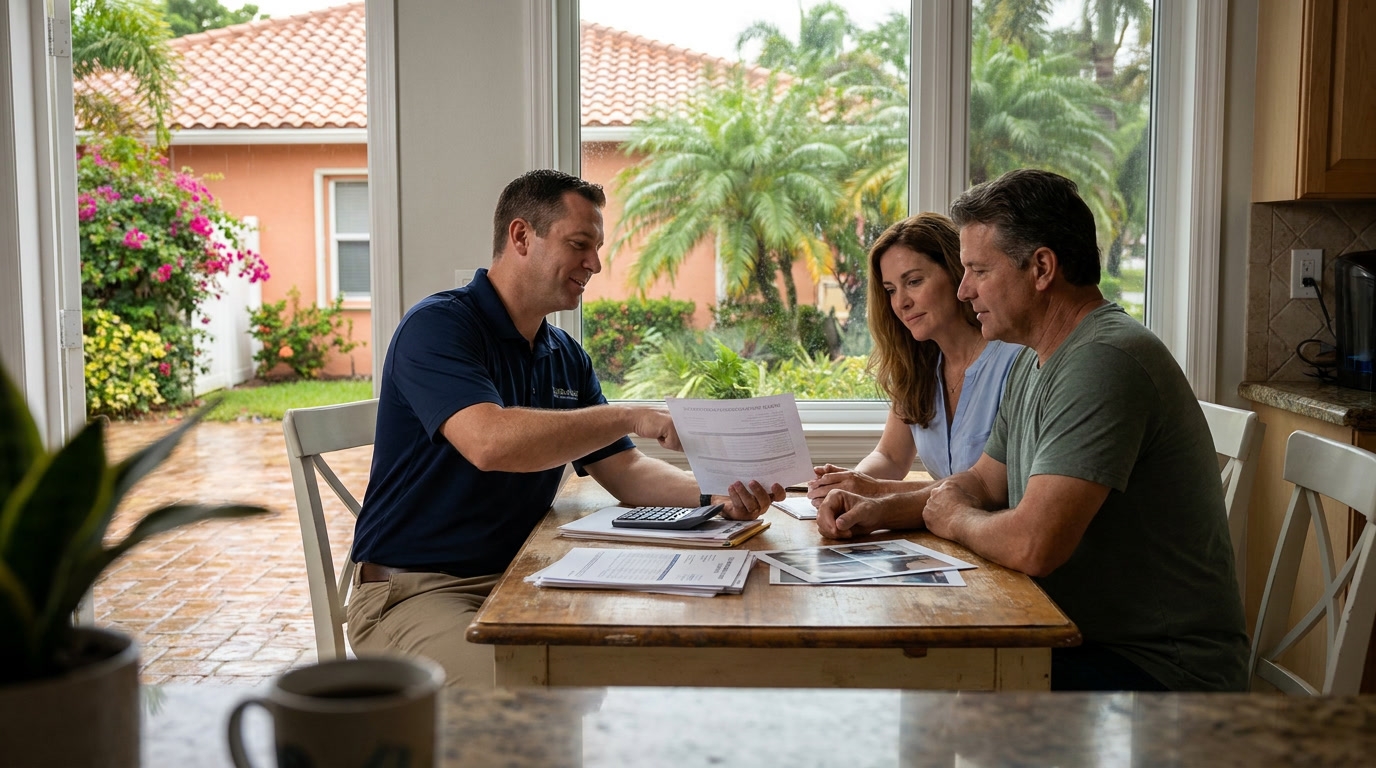
Professional Assistance: Hiring a public adjuster can be beneficial in maximizing your mold damage settlement. Public adjusters are experienced in handling insurance claims and can help ensure that you receive a fair settlement. They can assist with documentation, negotiation, and communication with your insurance company. For more information on how a public adjuster can help, visit our about us page.
In conclusion, understanding the value of your mold damage claim involves a comprehensive assessment of the damage, documentation of the source and impact, and a thorough review of your insurance policy. By taking these steps and seeking professional assistance when necessary, you can maximize your mold damage settlement and ensure that your property is restored to its pre-damage condition. For further reading on mold damage and related topics, you can explore our blog page.
When dealing with mold damage in your home or commercial property, gathering essential documentation is a critical step in maximizing your settlement. Proper documentation not only supports your claim but also helps streamline the process, ensuring you receive the compensation you deserve. Begin by taking detailed photographs and videos of the affected areas. Capture images from various angles to provide a comprehensive view of the damage. This visual evidence is crucial in demonstrating the extent of the mold damage to your insurance company.
Next, compile all relevant paperwork, including your insurance policy documents. Understanding the specifics of your policy, such as coverage limits and exclusions, is vital. This knowledge will guide you in presenting a well-informed claim. Additionally, gather any previous inspection reports or maintenance records that can establish a timeline of the property’s condition before the mold damage occurred. These documents can be instrumental in proving that the mold was not a result of negligence on your part.
It is also advisable to obtain a professional mold inspection report. A certified mold inspector can provide an unbiased assessment of the damage, which can be a powerful piece of evidence in your claim. Their report should detail the type and extent of mold, potential causes, and recommended remediation steps. This expert opinion can substantiate your claim and counter any attempts by the insurance company to downplay the damage.
Keep a detailed record of all communications with your insurance company and any other parties involved in the claim process. This includes emails, letters, and notes from phone conversations. Documenting these interactions can protect you in case of disputes or misunderstandings. Furthermore, maintain a log of any expenses related to the mold damage, such as temporary housing, repairs, or mold remediation services. Receipts and invoices will be necessary to justify these costs in your claim.
Consider consulting with a public adjuster, especially if the claim process becomes overwhelming. Public adjusters are experienced in handling insurance claims and can assist in ensuring that you have all the necessary documentation. They can also negotiate with the insurance company on your behalf to maximize your settlement. For more information on how public adjusters can assist you, visit our About Us page.
Finally, stay informed about the claims process by visiting resources like our FAQ page. Understanding the steps involved and what is expected of you can prevent delays and increase the likelihood of a favorable outcome. By meticulously gathering and organizing your documentation, you lay a strong foundation for a successful mold damage settlement.
In conclusion, maximizing your mold damage settlement requires a strategic approach that combines thorough documentation, professional assessments, and effective negotiation. Begin by meticulously documenting all evidence of mold damage and its impact on your property and health. Engage with qualified professionals to assess and report the extent of the damage accurately. Understand your insurance policy thoroughly to know your rights and coverage limits. When negotiating with your insurance company, be prepared with all necessary documentation and consider enlisting the help of a public adjuster or legal professional if needed. By taking these steps, you can ensure that you receive a fair settlement that adequately covers your losses and helps you restore your property to its original condition. Remember, being proactive and informed is key to navigating the complexities of mold damage claims successfully.
Dania Beach, Broward County, Davie, Weston, Boca Raton, Cooper City, Coral Springs, Deerfield Beach, Fort Lauderdale, Hollywood, Parkland, Pembroke Pines, Pinecrest, Plantation, Pompano Beach, Sunrise, Fisher Island, Miramar, Delray Beach, Hallandale Beach , Lake Worth, Boynton