
Hidden mold in South Florida homes is more than just a nuisance—it’s a silent invader that can wreak havoc on your health, your home, and your wallet. With the region’s humid climate and frequent storms, mold finds the perfect breeding ground behind walls, under floors, and in air ducts. But how do you know it’s there if you can’t see it?
Let’s dive deep into the signs, symptoms, and solutions for detecting and dealing with hidden mold. And remember, if you suspect mold damage, LMR Public Adjusters—South Florida’s premier public adjusters—are here to help you fight for the insurance payout you deserve.
Hidden mold refers to mold growth that occurs in places not easily visible—inside walls, under carpets, behind appliances, or within HVAC systems. In South Florida, the warm, moist environment makes homes especially vulnerable to this stealthy intruder.
Unlike visible mold, which you can spot and clean, hidden mold festers silently. It can go undetected for months or even years, causing structural damage and health issues. Mold thrives in areas with poor ventilation, water leaks, or high humidity—conditions common in Florida homes.
According to the World Health Organization, prolonged mold exposure can lead to respiratory problems, allergies, and even neurological issues. That’s why early detection is crucial.
One of the first signs of hidden mold in South Florida homes is a persistent musty smell. It’s that damp, earthy scent that lingers no matter how much you clean or air out your home.
This odor is caused by microbial volatile organic compounds (MVOCs) released during mold metabolism. If you notice this smell in specific areas—like closets, basements, or bathrooms—it’s time to investigate further.
Don’t ignore your nose. It’s often the first line of defense. If you suspect something’s off, contact LMR Public Adjusters to assess potential mold damage and help you file a claim.
Are you sneezing, coughing, or experiencing itchy eyes at home but feel fine elsewhere? That could be a red flag. Hidden mold in South Florida homes often triggers allergic reactions, especially in sensitive individuals.
Common symptoms include:
If these symptoms worsen indoors and improve when you leave, mold might be the culprit. Don’t brush it off as seasonal allergies—get your home inspected.
Water stains on ceilings, walls, or floors are more than just cosmetic issues. They often indicate a leak—and where there’s moisture, mold isn’t far behind.
Look for yellow, brown, or greenish patches, especially in bathrooms, kitchens, and around windows. These stains may appear dry, but the damage beneath could be active and growing.
LMR Public Adjusters can help you document these signs and file a comprehensive property damage claim.
Paint or wallpaper that bubbles, peels, or warps is often a sign of moisture buildup behind the surface. This is a classic indicator of hidden mold in South Florida homes.
Moisture weakens the adhesive properties of paint and wallpaper, causing them to separate from the wall. If you notice this happening in multiple areas, especially near plumbing fixtures, it’s time to dig deeper.
Warping or bulging in walls and ceilings is a serious sign of water damage—and potentially mold. This often occurs when drywall absorbs moisture over time, causing it to swell and deform.
In South Florida’s humid climate, even minor leaks can lead to major structural issues. Don’t wait until the damage becomes visible. Contact LMR Public Adjusters to assess and document the damage for your insurance claim.
Excessive condensation is a sign that your home’s humidity levels are too high. This creates the perfect environment for mold to thrive, especially in hidden areas like wall cavities and insulation.
Use a hygrometer to monitor indoor humidity. Ideally, it should stay below 60%. If you notice frequent condensation, consider installing a dehumidifier and checking for hidden leaks.
Pets can be sensitive to mold too. If your dog or cat starts sneezing, coughing, or showing signs of lethargy, it might be due to hidden mold exposure.
Animals often spend more time close to the ground—where mold spores settle. If your vet can’t pinpoint the cause, it’s worth checking your home for mold.
If your air conditioning system emits a musty odor when turned on, mold may be growing in the ducts or filters. This is especially common in South Florida, where AC units run year-round.
Dirty filters, clogged drain lines, and condensation pans can all harbor mold. Regular maintenance is key, but if the smell persists, a professional inspection is in order.
Frequent colds, bronchitis, or sinus infections could be linked to mold exposure. Mold spores irritate the respiratory system, making you more susceptible to illness.
If you or your family members are constantly sick, especially during the rainy season, hidden mold might be the root cause. Don’t ignore the pattern—investigate your home’s air quality.
For asthma sufferers, mold is a known trigger. Hidden mold in South Florida homes can exacerbate symptoms, leading to more frequent or severe attacks.
Keep an asthma diary to track flare-ups. If they coincide with time spent at home, it’s time to consider a mold inspection.
Bathrooms and kitchens are mold hotspots. Cracked grout or caulking allows water to seep behind tiles, creating a hidden breeding ground for mold.
Regularly inspect these areas and reseal as needed. If you notice discoloration or a musty smell, mold may already be present behind the tiles.
Seeing mold in one spot often means there’s more lurking nearby. Mold spreads quickly, especially in damp environments.
Don’t just clean the visible mold—investigate the surrounding areas. Mold behind walls or under floors can be extensive and costly to remediate.
If your home has experienced flooding, leaks, or burst pipes, there’s a high chance of hidden mold. Even if the area looks dry, moisture can linger in insulation, drywall, and subfloors.
LMR Public Adjusters specialize in water damage claims. We’ll help you uncover hidden damage and ensure your insurance covers the full extent of the repairs.
Hidden mold can affect your HVAC system’s efficiency, causing it to work harder and drive up your energy bills. Mold in ducts or around vents restricts airflow and reduces performance.
If your bills are unusually high, and your system seems to be running constantly, mold could be the hidden culprit.
Floors that feel soft or spongy underfoot may be rotting from underneath due to mold and moisture. This is especially common in bathrooms, kitchens, and basements.
Don’t ignore these signs—they indicate serious structural damage. A professional inspection can reveal the extent of the issue.
Rust is a sign of prolonged moisture exposure. If you notice rust on plumbing fixtures, water heaters, or HVAC components, mold may be growing nearby.
Addressing the moisture source is key to preventing further mold growth. LMR Public Adjusters can help you file a claim for plumbing-related damage.
Insulation that appears damp, compacted, or moldy is a clear sign of hidden moisture and mold. This often occurs in attics, crawl spaces, and behind walls.
Replacing moldy insulation is essential for maintaining indoor air quality and energy efficiency.
These out-of-sight areas are prime real estate for mold. Poor ventilation, roof leaks, and high humidity make them vulnerable.
Regular inspections can catch mold early. If you spot discoloration or smell mildew, it’s time to act.
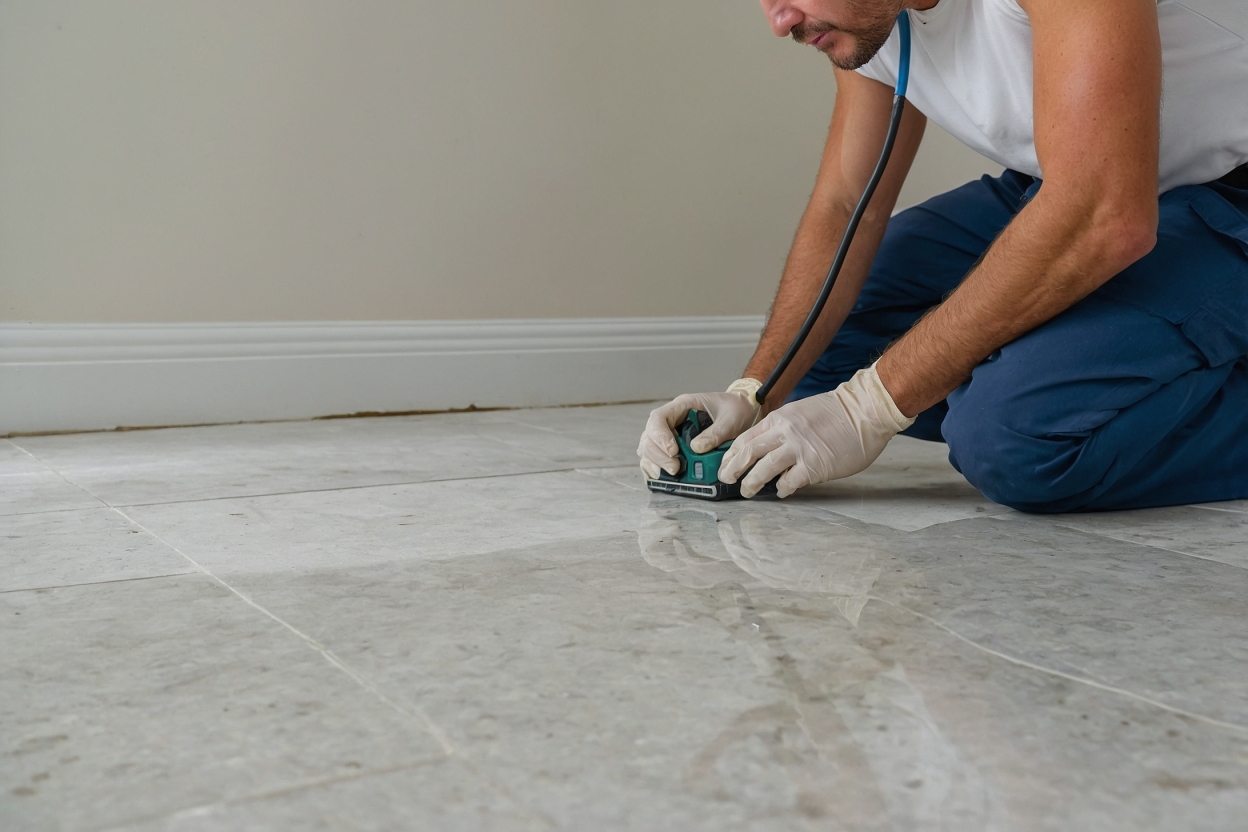
Moisture trapped beneath flooring causes it to bubble, warp, or lift. This is a strong indicator of hidden mold in South Florida homes.
Don’t just replace the flooring—address the underlying moisture issue to prevent recurrence.
Black or green spots around air vents suggest mold in your HVAC system. This can spread spores throughout your home, affecting air quality and health.
Professional duct cleaning and mold remediation may be necessary.
Refrigerators, washing machines, and dishwashers often leak without notice. Mold can grow behind or beneath these appliances unnoticed for months.
Move and inspect appliances regularly, especially if you notice odors or moisture.
Closets and cabinets often lack ventilation, making them ideal for mold growth. If you notice a musty smell or discoloration, check for leaks or condensation.
Use moisture absorbers and improve airflow to prevent mold buildup.
Business owners aren’t immune. Hidden mold in commercial properties can lead to employee health issues, damaged inventory, and liability claims.
Regular inspections and prompt remediation are essential for protecting your investment.
Hurricanes and tropical storms often lead to water intrusion. Even if you dry out your home quickly, mold can start growing within 24–48 hours.
LMR Public Adjusters can help you file a claim for storm-related damage and ensure you get the compensation you need to restore your home.
Mold can begin growing within 24 to 48 hours of water exposure. That’s why it’s crucial to act fast after leaks or floods.
Small areas may be manageable, but hidden mold often requires professional remediation. DIY efforts can spread spores and worsen the problem.
It depends on your policy and the cause of the mold. LMR Public Adjusters can review your coverage and help you file a successful claim.
Keep humidity below 60%, fix leaks promptly, and ensure proper ventilation. Regular inspections also help catch issues early.
Exposure can cause allergies, asthma, respiratory infections, and even neurological symptoms in severe cases.
Contact a licensed mold inspector and LMR Public Adjusters to assess damage and advocate for your insurance claim.
Hidden mold in South Florida homes is a silent threat—but it doesn’t have to be a silent killer. By staying vigilant and recognizing the signs, you can protect your health, your home, and your finances.
And if you do find
Dania Beach, Broward County, Davie, Weston, Boca Raton, Cooper City, Coral Springs, Deerfield Beach, Fort Lauderdale, Hollywood, Parkland, Pembroke Pines, Pinecrest, Plantation, Pompano Beach, Sunrise, Fisher Island, Miramar, Delray Beach, Hallandale Beach , Lake Worth, Boynton