
Tips for Managing Water Damage in Florida Homes can be crucial for homeowners in the Sunshine State. With Florida’s unique climate and frequent storms, water damage is a common concern. How can you protect your home and ensure you’re prepared for the unexpected? At LMR Public Adjusters, we specialize in helping property owners navigate the complexities of insurance claims, ensuring they receive the compensation they deserve.
In this article, we’ll explore essential strategies to manage water damage effectively. From immediate actions to long-term prevention, we cover it all. Whether it’s dealing with storm aftermath or preventing future issues, these tips will help safeguard your home and peace of mind.
But these are just the beginning steps to protect your property. Dive into our comprehensive guide to learn more about managing water damage in Florida homes. With insights from industry experts and practical advice, you’ll be well-equipped to handle any water-related challenges. Let’s get started!
Florida homes frequently face water damage due to several factors. Hurricanes and heavy rains often lead to flooding, causing significant issues for homeowners. Additionally, Florida’s unique climate presents challenges such as high humidity and saltwater intrusion, which can exacerbate water damage. These conditions create an environment where moisture easily seeps into homes, leading to structural damage and mold growth. Statistics reveal that a substantial percentage of Florida homes experience water damage annually, highlighting the need for vigilance and preventive measures. For instance, the high humidity levels can cause condensation, which may lead to mold issues. Moreover, saltwater intrusion, particularly in coastal areas, can corrode building materials, further complicating repairs. Understanding these challenges is crucial for homeowners looking to protect their properties. For more information on managing such issues, visit our water damage page or learn about our services in Fort Lauderdale. Additionally, our blog offers insights into effective water damage management strategies.
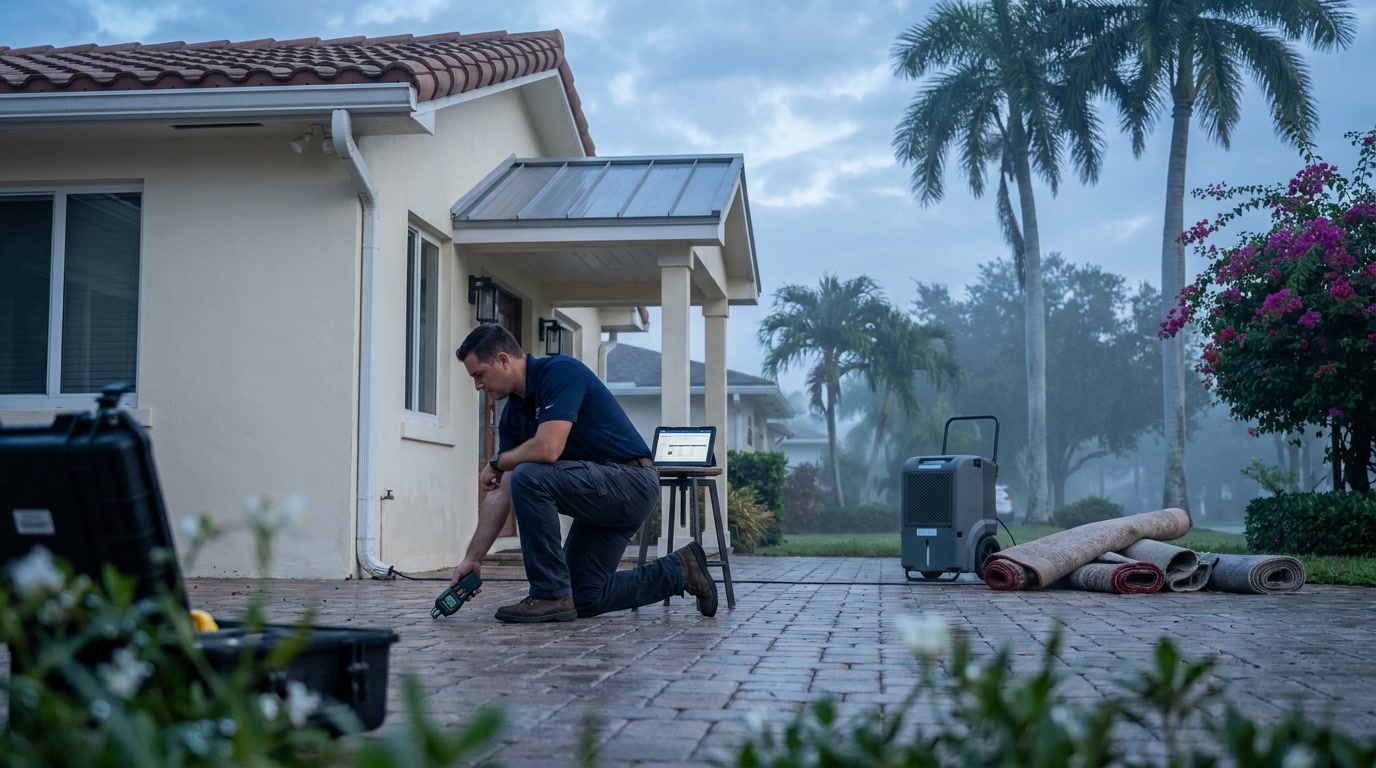
Water damage often reveals itself through visible signs such as stains on ceilings or walls, mold growth, and peeling paint. These indicators suggest moisture intrusion, which can lead to further structural issues if not addressed promptly. However, not all water damage is immediately apparent. To detect hidden damage, homeowners can use tools like moisture meters or infrared cameras. These devices help identify areas where water may be lurking behind walls or under floors. Regular inspections are crucial for catching early signs of water damage. Homeowners should routinely check areas prone to moisture, such as basements and attics. Additionally, inspecting plumbing fixtures and appliances for leaks can prevent extensive damage. For more guidance on managing water damage, visit our water damage page. If you suspect hidden damage, consider consulting with professionals, such as Fort Lauderdale public adjusters, who can provide expert advice. Regular maintenance and vigilance are key to protecting your home from the costly effects of water damage.
When water damage strikes, act quickly to minimize harm. First, turn off the water supply to prevent further flooding. Then, cut the electricity to avoid electrical hazards. Safety should be your top priority. Next, document the damage thoroughly for insurance claims. Take clear photos and videos of all affected areas. This evidence will be crucial when filing a property claim. Additionally, keep a detailed list of damaged items, including their value and purchase date. After documenting, contact a professional water damage restoration service immediately. Their expertise can prevent further deterioration and mold growth. Prompt action is essential to protect your home and health. For more guidance, visit our blog page or learn about our services.
Water extraction and drying are crucial steps in restoring a home after water damage. Initially, professionals use powerful pumps to remove standing water. Once the water is extracted, industrial fans and dehumidifiers come into play. These tools work together to eliminate moisture from the air and surfaces, preventing further damage. After drying, cleaning and sanitizing the affected areas are essential. This step prevents mold growth, which can cause health issues and structural damage. Using specialized cleaning agents, professionals ensure that all surfaces are thoroughly sanitized.
Professional restoration services play a vital role in this process. Homeowners should expect a comprehensive assessment of the damage, followed by a detailed restoration plan. Experts bring experience and equipment that most homeowners lack, ensuring efficient and effective restoration. For more information on how to handle such situations, visit our water damage page. Additionally, understanding the claims process can be beneficial, so check our property claims section. If you’re in the area, our Fort Lauderdale public adjusters are ready to assist.
To safeguard your Florida home from future water damage, start by maintaining your gutters and downspouts. Regularly clear debris to ensure water flows away from your home. Additionally, inspect your drainage systems to prevent water accumulation around your foundation. Regular roof inspections are crucial. Address any signs of wear promptly to prevent leaks. Consider hiring professionals for thorough assessments. Installing water detection devices can alert you to leaks early, minimizing potential damage. Sump pumps are also effective in preventing basement flooding. For more information on protecting your property, visit our blog page. If you need assistance with water damage, our water damage experts are ready to help. Additionally, explore our property claims services for comprehensive support.
Homeowners insurance in Florida typically covers sudden and accidental water damage. This includes incidents like burst pipes or unexpected plumbing failures. However, it often excludes damage from flooding or gradual leaks. Understanding these distinctions is crucial. Policies may also limit coverage for mold resulting from water damage. It’s important to review your policy details to know what’s covered.
When filing a claim, document everything thoroughly. Take photos and videos of the damage immediately. Contact your insurer promptly to report the incident. Be prepared to provide detailed information about the cause and extent of the damage. Working with an insurance adjuster can be challenging, so consider hiring a public adjuster to advocate on your behalf. They can help ensure you receive a fair settlement.
Additionally, familiarize yourself with common exclusions and limitations in your policy. This knowledge will help you avoid surprises during the claims process. For more guidance, explore resources on water damage and insurance claims. Being proactive and informed can make a significant difference in managing water damage effectively.
Mold growth poses significant health risks, particularly after water damage. It can trigger allergic reactions, respiratory issues, and even exacerbate asthma. To prevent mold, control humidity levels by using dehumidifiers and ensuring proper ventilation. Regularly inspect areas prone to moisture, such as basements and bathrooms. If you notice any leaks, address them immediately to prevent mold from taking hold.
When mold is already present, remediation becomes essential. Start by isolating the affected area to prevent spores from spreading. Clean and disinfect surfaces with appropriate solutions. However, extensive mold growth requires professional intervention. Experts have the tools and knowledge to safely remove mold and restore your home. If you’re unsure about the extent of the damage, consider consulting a professional for guidance. For more information on handling water damage, visit our blog. Additionally, understanding the impact of water damage can help you take preventive measures. Learn more about it here.
When selecting a water damage restoration company, prioritize those with industry certifications, such as IICRC or RIA. These credentials ensure the company adheres to high standards. Additionally, check online reviews and testimonials to gauge customer satisfaction. It’s crucial to obtain multiple quotes to compare services and costs. This helps you understand the scope of work and avoid unexpected expenses. Ask potential companies about their experience with similar projects and their response time. Inquire about their process for handling insurance claims and whether they offer assistance with property claims. Understanding their approach to water damage restoration is vital. Furthermore, ask if they provide a detailed plan outlining the steps they will take to restore your home. This transparency is essential for trust. Lastly, ensure they have adequate insurance coverage to protect against any unforeseen issues. By following these guidelines, you can confidently choose a reliable restoration company.
How long does it take to dry out a water-damaged home? Typically, drying out a water-damaged home takes about 72 hours. However, this can vary based on the extent of the damage and the materials affected. It’s crucial to act quickly to prevent further issues.
Can I handle water damage restoration myself? While minor water damage might be manageable, it’s often best to consult professionals. They have the expertise and equipment to ensure thorough restoration. Attempting to handle significant damage alone can lead to complications.
What are the long-term effects of untreated water damage? Untreated water damage can lead to mold growth, structural issues, and health risks. Mold can spread rapidly, causing respiratory problems and other health concerns. Additionally, structural damage can compromise the integrity of your home. For more information, visit our FAQ page.
For assistance with water damage claims, contact our Fort Lauderdale public adjusters. They can guide you through the process and help maximize your claim.
For homeowners eager to delve deeper into water damage management, several resources can provide valuable insights. Books like "The Complete Guide to Water Damage Restoration" offer comprehensive strategies for tackling water-related issues. Websites such as the Federal Emergency Management Agency (FEMA) and the American Red Cross provide essential guidance on emergency preparedness and response. Additionally, local resources in Florida, including the Florida Division of Emergency Management, offer tailored advice for residents.
For more specific assistance, consider exploring government and non-profit organizations that specialize in disaster relief and recovery. The National Flood Insurance Program (NFIP) is an excellent resource for understanding flood risks and insurance options. Staying informed about weather alerts is crucial; the National Weather Service offers real-time updates and forecasts.
To further enhance your knowledge, visit our blog for expert insights on managing water damage and other related issues. Our about us page provides more information on how we can assist you in navigating property claims and ensuring your home remains safe and secure.
Dania Beach, Broward County, Davie, Weston, Boca Raton, Cooper City, Coral Springs, Deerfield Beach, Fort Lauderdale, Hollywood, Parkland, Pembroke Pines, Pinecrest, Plantation, Pompano Beach, Sunrise, Fisher Island, Miramar, Delray Beach, Hallandale Beach , Lake Worth, Boynton