
Meta Description: Discover everything you need to know about Hurricane Insurance, from coverage details to claim processes, and learn how LMR Public Adjusters can help you maximize your insurance claims.
Hurricanes are a force of nature that can leave a trail of devastation in their wake. For homeowners and business owners alike, understanding how to protect their property with the right insurance is crucial. But let’s face it, insurance can be as confusing as a cat in a room full of rocking chairs. That’s where this guide comes in. We’ll break down the complexities of Hurricane Insurance, helping you make informed decisions and ensuring you’re prepared when the next storm hits. Plus, we’ll introduce you to LMR Public Adjusters, South Florida’s premier public adjusters, who are dedicated to advocating for property owners like you.
Hurricane Insurance is a specialized form of coverage designed to protect property owners from the financial impact of hurricane-related damages. While standard homeowner’s insurance policies may cover some wind damage, they often fall short when it comes to the unique challenges posed by hurricanes. This is where Hurricane Insurance steps in, offering a safety net for those living in hurricane-prone areas.
Living in areas susceptible to hurricanes means you’re at a higher risk of experiencing significant property damage. Without adequate insurance, you could be left footing the bill for repairs and replacements. Hurricane Insurance provides peace of mind, ensuring that you’re financially protected when the unexpected occurs.
Hurricane Insurance typically covers damage caused by high winds, heavy rains, and storm surges. However, it’s important to note that flood damage is usually not included and requires separate flood insurance. When a hurricane hits, policyholders can file a claim to receive compensation for covered damages, helping them rebuild and recover.
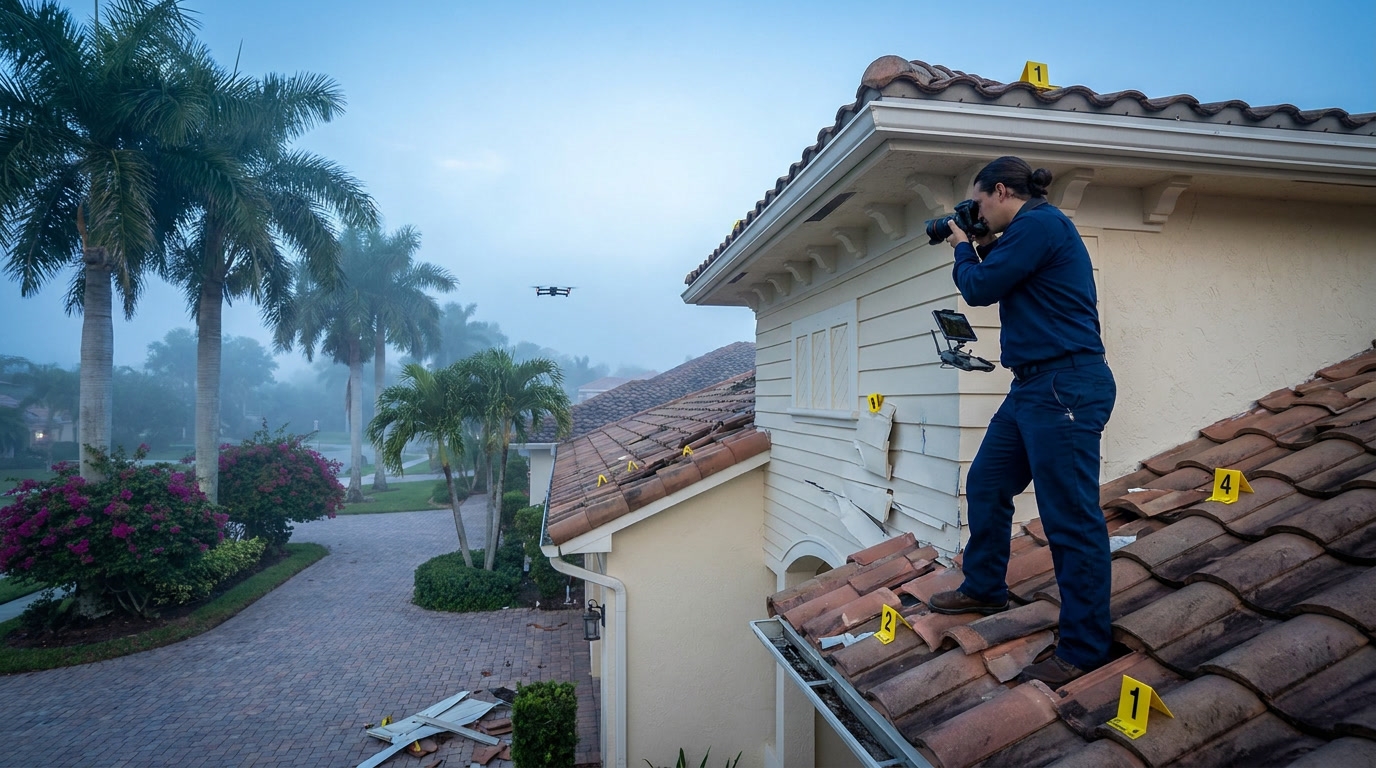
Wind damage is one of the most common types of destruction caused by hurricanes. From broken windows to roof damage, the costs can add up quickly. Hurricane Insurance policies often include wind damage coverage, ensuring you’re not left out in the cold when the winds start howling.
While wind gets a lot of attention, rain and water damage can be equally devastating. Hurricane Insurance may cover water damage caused by rain entering through a damaged roof or windows. However, remember that flood damage is a separate issue and requires additional coverage.
Storm surges can lead to severe flooding, causing extensive damage to homes and businesses. Unfortunately, most Hurricane Insurance policies do not cover flood damage. To protect against this, you’ll need a separate flood insurance policy.
Hurricane Insurance policies often come with a separate deductible specifically for hurricane-related claims. This deductible is typically a percentage of the insured property’s value, rather than a fixed dollar amount. Understanding how this works is crucial to avoid surprises when filing a claim.
Calculating your hurricane deductible involves multiplying the insured value of your property by the deductible percentage. For example, if your home is insured for $300,000 and your deductible is 5%, you’d be responsible for the first $15,000 of hurricane-related damages.
Managing deductibles can be tricky, but there are strategies to help. Consider setting aside a dedicated emergency fund to cover potential deductible costs. Additionally, reviewing your policy annually and adjusting coverage as needed can ensure you’re adequately protected.
Before a hurricane hits, it’s wise to document your property and belongings. Take photos and videos, and keep an inventory of valuable items. This documentation will be invaluable when filing a claim.
After a hurricane, contact your insurance company as soon as possible to report the damage. Provide them with the necessary documentation and be prepared to answer questions about the extent of the damage.
Navigating the claims process can be overwhelming, but you don’t have to go it alone. LMR Public Adjusters, South Florida’s premier public adjusters, specialize in advocating for property owners to maximize insurance claims. Their personalized, dedicated team will work tirelessly to ensure you receive the compensation you deserve.
Denied claims can be frustrating, but they’re not the end of the road. Understanding the reasons behind the denial and gathering additional evidence can help you appeal the decision. LMR Public Adjusters can assist in this process, leveraging their expertise to fight for your rights.
Sometimes, insurance companies may offer settlements that don’t fully cover the cost of repairs. In such cases, it’s crucial to negotiate for a fair settlement. LMR Public Adjusters have the experience and knowledge to advocate on your behalf, ensuring you receive the compensation you need.
Delays in claim processing can leave you in limbo, waiting for the funds needed to rebuild. Staying proactive and maintaining open communication with your insurance company can help expedite the process. Additionally, LMR Public Adjusters can step in to keep things moving smoothly.
When selecting a Hurricane Insurance policy, it’s essential to evaluate your specific coverage needs. Consider factors such as the value of your property, the likelihood of hurricane damage, and your budget. Tailoring your policy to your unique situation ensures you’re adequately protected.
Not all insurance providers are created equal. Take the time to compare different companies, looking at factors such as customer reviews, claim processing times, and coverage options. Choosing a reputable provider can make all the difference when it comes time to file a claim.
Insurance needs can change over time, so it’s important to review your policy regularly. Life events such as home renovations or changes in property value may necessitate adjustments to your coverage. Staying proactive ensures you’re always prepared for the unexpected.
Living in a high-risk hurricane area can significantly impact your insurance costs. Premiums may be higher, and deductibles more substantial. Understanding these factors can help you budget accordingly and ensure you’re adequately covered.
Different states have varying regulations and requirements for Hurricane Insurance. Familiarizing yourself with these can help you navigate the insurance landscape more effectively. For those in South Florida, LMR Public Adjusters are well-versed in local regulations and can provide valuable guidance.
Investing in home improvements can reduce your risk of hurricane damage and potentially lower your insurance premiums. Consider upgrades such as impact-resistant windows, reinforced roofs, and storm shutters. These measures not only protect your property but also demonstrate to insurers that you’re taking proactive steps to mitigate risk.
LMR Public Adjusters are South Florida’s premier public adjusters, dedicated to advocating for property owners to maximize insurance claims. With a personalized, dedicated team, they work tirelessly to ensure you receive the compensation you deserve.
Navigating the insurance claims process can be daunting, but LMR Public Adjusters are here to help. They offer expert guidance, handle negotiations with insurance companies, and provide support every step of the way. Their goal is to make the process as smooth and stress-free as possible.
LMR Public Adjusters have a proven track record of success, helping countless property owners secure fair settlements. Their expertise and dedication have made a significant difference in the lives of many, providing peace of mind and financial security in the aftermath of a hurricane.
Hurricane Insurance typically covers wind damage, rain damage, and storm surge-related damage. However, flood damage is usually excluded and requires separate flood insurance.
If you live in a hurricane-prone area, having Hurricane Insurance is highly recommended. It provides financial protection against the unique risks posed by hurricanes.
While Hurricane and Flood Insurance are separate policies, some insurers offer bundling options. It’s worth exploring these options to ensure comprehensive coverage.
LMR Public Adjusters can help by providing expert guidance, handling negotiations with insurance companies, and advocating for a fair settlement on your behalf.
If your claim is denied, gather additional evidence and consider appealing the decision. LMR Public Adjusters can assist in this process, leveraging their expertise to fight for your rights.
It’s a good idea to review your policy annually or whenever significant changes occur, such as home renovations or changes in property value.
Hurricanes are unpredictable, but your response to them doesn’t have to be. By understanding Hurricane Insurance and working with experts like LMR Public Adjusters, you can ensure you’re prepared for whatever Mother Nature throws your way. Remember, the key is to stay informed, proactive, and ready to take action when needed. With the right coverage and support, you can weather any storm with confidence.
Dania Beach, Broward County, Davie, Weston, Boca Raton, Cooper City, Coral Springs, Deerfield Beach, Fort Lauderdale, Hollywood, Parkland, Pembroke Pines, Pinecrest, Plantation, Pompano Beach, Sunrise, Fisher Island, Miramar, Delray Beach, Hallandale Beach , Lake Worth, Boynton