

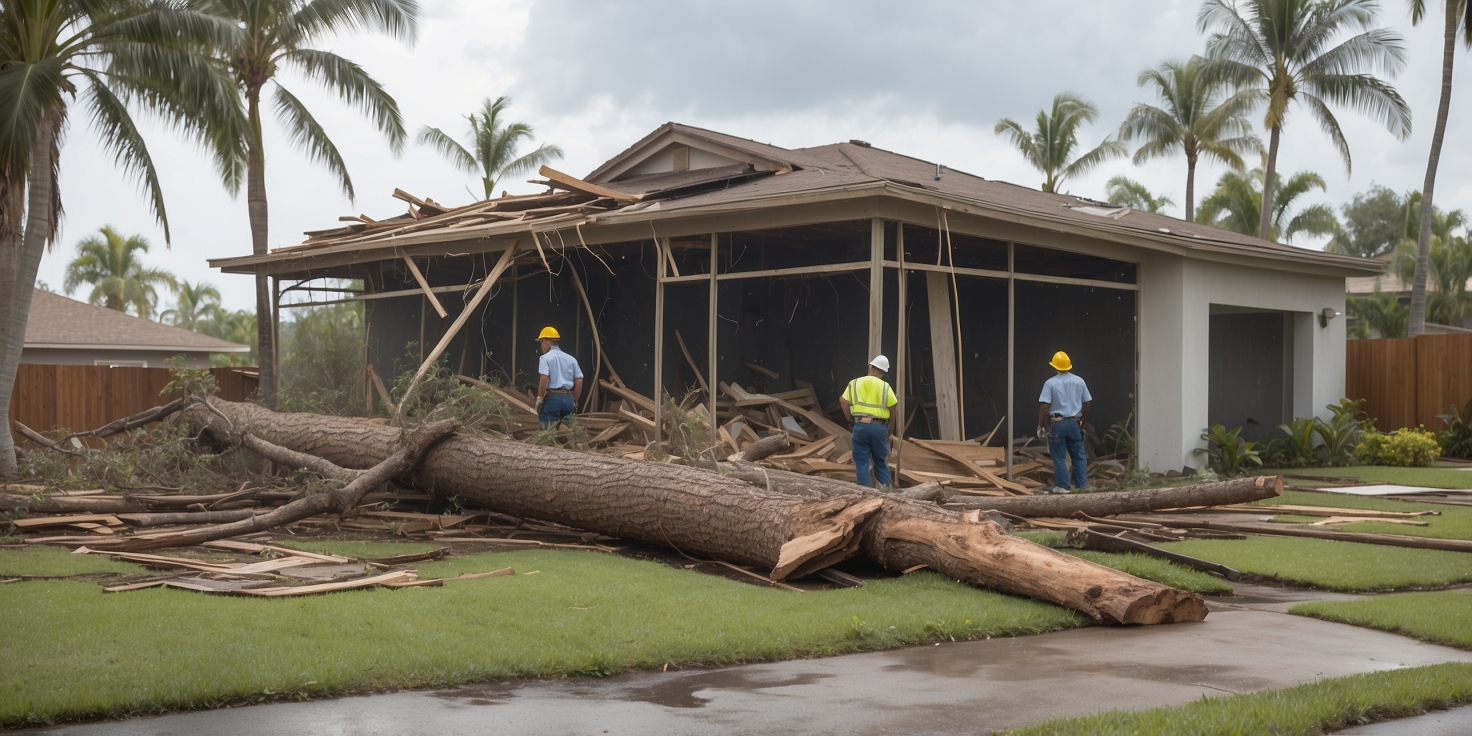
So, a tree just crashed into your lanai. First off—take a deep breath. It’s a jarring experience, but you’re not alone, and there’s a clear path forward. The very first thing you need to do is assess the situation safely. Don’t rush into the debris or try to move anything heavy. Your safety comes first.
Start by visually inspecting the area from a safe distance. Is the tree still leaning dangerously? Are there broken glass panels, exposed wires, or structural damage to your home? If you suspect any electrical hazards or gas leaks, evacuate immediately and call emergency services.
Once you’ve ensured everyone is safe, take photos and videos of the damage. This documentation will be crucial when you file your insurance claim. Capture wide shots and close-ups from different angles. Don’t forget to include any damage to furniture, screens, or flooring inside the lanai.
It’s also wise to notify your neighbors, especially if the tree came from their property or if it affected shared structures. Communication can help avoid disputes later on.
At this point, you might be wondering, “Do I need to call my insurance company now?” Hold that thought—there’s a better first call to make. Reach out to LMR Public Adjusters, South Florida’s premier public adjusters. Their personalized, dedicated team will advocate for you to maximize your insurance claim. They’ll guide you through the process and ensure you don’t leave money on the table.
For more information on how to handle property claims, check out our Property Claims page or read our FAQ section.
Now that you’ve documented the damage and ensured everyone’s safe, it’s time to bring in the pros. But who exactly should you call?
First, contact a certified arborist or tree removal service. They’ll safely remove the fallen tree and assess whether other trees on your property pose a risk. Don’t attempt to cut or move the tree yourself—it’s dangerous and could worsen the damage.
Next, you’ll want to get in touch with a structural engineer or contractor to evaluate the integrity of your lanai. Even if the damage looks minor, hidden issues like compromised support beams or cracked foundations can lead to bigger problems down the line.
And of course, you’ll need to file a claim with your homeowner’s insurance. But here’s where it gets tricky. Insurance companies aren’t always eager to pay out the full amount you deserve. That’s why it’s smart to have LMR Public Adjusters in your corner. Their team specializes in advocating for property owners and knows how to navigate the fine print of your policy.
They’ve helped countless homeowners across South Florida—from Fort Lauderdale to Pembroke Pines—get the compensation they deserve. Don’t go it alone. Let the experts handle the red tape while you focus on getting your life back to normal.
Need help understanding your coverage? Visit our Home Damage page or explore our blog for more tips.
Filing an insurance claim might seem straightforward, but it’s often anything but. Insurance policies are filled with jargon and loopholes that can leave you scratching your head. That’s why it’s crucial to approach this step strategically.
Start by reviewing your homeowner’s insurance policy. Look for sections that cover “wind damage,” “tree damage,” or “structural damage.” If your policy includes coverage for fallen trees or storm-related incidents, you’re in luck. But even then, the devil is in the details.
When you file your claim, be thorough. Include all the photos and videos you took, a written description of the event, and a list of damaged items. Be honest but detailed. The more evidence you provide, the stronger your case.
Here’s where LMR Public Adjusters really shines. Their team will review your policy, help you gather the right documentation, and even negotiate directly with your insurance company. They’re not just paper-pushers—they’re your advocates.
And if your claim is denied or underpaid? Don’t panic. LMR has a track record of turning denied claims into approved ones. They’ve helped homeowners in Hollywood, Parkland, and beyond recover thousands of dollars they were initially denied.
Want to learn more about how to handle specific types of damage? Check out our guides on wind damage and water damage.
While you wait for your insurance claim to process, it’s important to prevent further damage. This doesn’t mean starting full-scale repairs—that could actually hurt your claim. Instead, focus on temporary fixes that protect your property.
Start by covering any exposed areas with tarps or plastic sheeting. This will keep rain and debris out and prevent mold from forming. If windows or screens are broken, board them up securely. Just make sure to document everything you do—take photos before and after each temporary repair.
Keep all receipts for materials and labor. These expenses may be reimbursable under your insurance policy. And remember, don’t throw anything away until your adjuster has seen it. Even damaged furniture or broken glass can serve as evidence.
If you notice water intrusion, act fast. Mold can start growing within 24-48 hours. Use fans and dehumidifiers to dry out the area, and consider calling a mold remediation specialist if things get out of hand. For more on this, visit our Mold Damage page.
Need help finding reliable contractors or emergency services? LMR Public Adjusters has a network of trusted professionals across South Florida, from Aventura to Weston. They’ll connect you with the right people so you can protect your home without risking your claim.
Once your claim is approved and the funds are in hand, it’s time to plan for full restoration. This is your chance to not only repair the damage but also improve your lanai’s durability and aesthetics.
Start by hiring a licensed contractor with experience in lanai construction. Ask for references, check reviews, and make sure they’re insured. You want someone who understands the unique challenges of Florida’s climate—like humidity, hurricanes, and salt air.
Consider upgrading materials to more storm-resistant options. Reinforced screens, impact-resistant glass, and aluminum framing can make a big difference the next time a storm rolls through. Think of it as future-proofing your outdoor space.
Also, take this opportunity to reimagine your lanai. Maybe you’ve always wanted a built-in grill, a ceiling fan, or a retractable screen. Now’s the time to make those dreams a reality.
And don’t forget to update your insurance policy once the work is done. You’ll want to ensure your new and improved lanai is fully covered. LMR Public Adjusters can help you review your policy and suggest any necessary updates.
For more inspiration and expert tips, check out our blog or visit our location page to find a local adjuster near you.
Dealing with a tree-damaged lanai can feel overwhelming, but with the right steps and support, you can turn a stressful situation into a successful recovery. Start by assessing the damage safely, contact the right professionals, and file your insurance claim smartly. Don’t forget to make temporary repairs to prevent further issues, and plan your restoration with care.
Most importantly, don’t go through this alone. LMR Public Adjusters are here to help you every step of the way. With their personalized service and deep knowledge of insurance claims, they’ll make sure you get every dollar you deserve.
Need help now? Reach out to LMR Public Adjusters—South Florida’s trusted name in property claims.
Ensure everyone is safe, then document the damage with photos and videos. Avoid moving debris yourself. Contact professionals like LMR Public Adjusters to guide you through the next steps.
It depends on your policy. Most cover storm-related tree damage, but coverage can vary. LMR Public Adjusters can review your policy and help you understand what’s included.
Yes, but only to prevent further damage. Be sure to document everything and keep receipts. Avoid full repairs until your claim is processed.
It varies, but with LMR Public Adjusters on your side, the process is often faster and more efficient. They handle negotiations and follow-ups to speed things along.
Public adjusters like LMR work for you—not the insurance company. They maximize your payout, handle the paperwork, and protect your interests throughout the process.
Dania Beach, Broward County, Davie, Weston, Boca Raton, Cooper City, Coral Springs, Deerfield Beach, Fort Lauderdale, Hollywood, Parkland, Pembroke Pines, Pinecrest, Plantation, Pompano Beach, Sunrise, Fisher Island, Miramar, Delray Beach, Hallandale Beach , Lake Worth, Boynton