

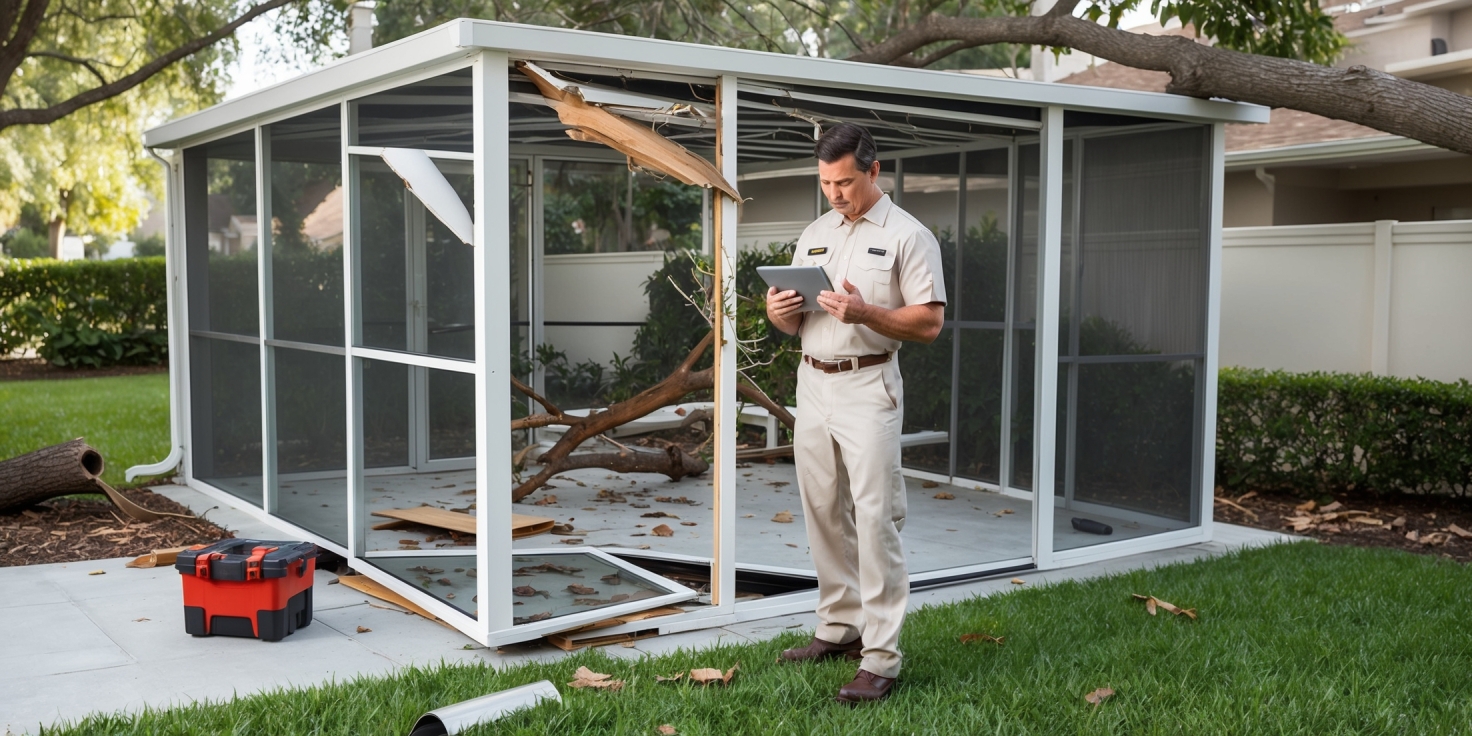
When a tree unexpectedly crashes into your screen room, the aftermath can be overwhelming. From structural damage to potential water intrusion, knowing what to do after a tree damages your screen room is crucial for protecting your property and ensuring a smooth insurance claim process. At LMR Public Adjusters, South Florida’s premier public adjusters, we specialize in helping homeowners navigate the complexities of property damage claims. Our dedicated team works closely with you to assess the damage, document the loss, and negotiate with your insurance company to maximize your settlement. Whether you’re dealing with storm damage, fallen trees, or broken enclosures, our personalized approach ensures you receive the compensation you deserve. Don’t let the stress of property damage derail your peace of mind—trust the experts at LMR Public Adjusters to advocate for your best interests every step of the way.
After a tree damages your screen room, your first priority should be ensuring your safety before inspecting the extent of the destruction. Avoid rushing into the area, as fallen branches, shattered glass, or unstable structures can pose serious hazards. According to the National Storm Damage Center, falling trees cause over $1 billion in property damage annually in the U.S., emphasizing the importance of a cautious approach.
Begin by surveying the damage from a safe distance. If power lines are involved, stay clear and contact your utility provider immediately. Once it’s safe, document the damage with photos and videos for insurance purposes. This visual evidence will be crucial when filing a claim.
“Never attempt to remove large branches or debris yourself if you’re unsure of the structural integrity—leave that to professionals.”
Here are a few steps to follow when assessing the damage:
For more information on how to handle property damage, visit our detailed guide on property claims or learn about our services for commercial properties.
If you’re unsure about the next steps, consult professionals or read our expert tips on this topic at FEMA’s disaster recovery resources. Taking the right precautions early can prevent further complications and ensure a smoother recovery process.
After a tree damages your screen room, it’s crucial to thoroughly document the incident for insurance purposes. Start by taking clear, high-resolution photos and videos of the damage from multiple angles. Capture the entire scene, including the fallen tree, structural damage, and any affected personal belongings. Be sure to include close-ups of broken screens, bent frames, or any water intrusion that may have occurred as a result.
Next, write a detailed account of the event. Include the date and time of the incident, weather conditions, and any immediate actions taken to prevent further damage. If possible, obtain statements from neighbors or witnesses who saw the tree fall. This documentation can support your claim and help your insurance provider understand the full extent of the loss.
Keep all receipts related to emergency repairs or temporary fixes, such as tarps or boarding materials. These expenses may be reimbursable under your policy. It’s also wise to review your coverage details, which you can learn more about on our property claims page.
If you’re unsure about the claims process or how to proceed, our team at LMR Public Adjusters is here to help. Visit our FAQ section for answers to common questions, or explore our blog for expert tips on handling storm-related damage. Proper documentation is the first step toward a successful insurance claim.
Once your screen room has been damaged by a fallen tree, one of the most important steps is to promptly contact your insurance provider. Acting quickly can help streamline the claims process and ensure you receive the compensation you deserve. Begin by reviewing your homeowner’s insurance policy to understand what types of damage are covered. Most policies include coverage for structural damage caused by falling trees, but it’s essential to confirm the specifics.
When speaking with your insurance company, provide detailed information about the incident, including the date, time, and extent of the damage. Take clear photos and videos of the affected area to support your claim. It’s also helpful to keep a record of any temporary repairs or expenses incurred to prevent further damage.
If you’re unsure about how to navigate the claims process, consider seeking assistance from a professional public adjuster. At LMR Public Adjusters, we specialize in helping homeowners and business owners handle property claims efficiently and effectively. Our team is experienced in dealing with insurance companies and can help you maximize your settlement.
For more information about our services and how we can assist you, visit our About Us page. Don’t let the stress of dealing with insurance slow down your recovery—get the support you need to restore your property and peace of mind.
Once a tree has damaged your screen room, taking immediate steps to prevent further damage is crucial. Begin by safely removing any loose debris or branches that could pose additional risks. If the structure is unstable, avoid entering the area until a professional has assessed it. Cover any exposed areas with waterproof tarps to protect against rain and moisture, which can lead to more serious issues like mold or water damage.
It’s also important to inspect nearby structures and utilities. Damage to electrical lines or plumbing can escalate the situation quickly. If you suspect such issues, contact a licensed professional immediately. For homeowners unfamiliar with the claims process, working with experienced property claims specialists can help ensure you receive fair compensation for your losses.
Additionally, document all visible damage with photos and videos before making temporary repairs. This evidence will be essential when filing an insurance claim. If you’re unsure about the next steps, our team of experts is here to guide you. Learn more about our services and how we can assist by visiting our About Us page.
Taking swift action not only protects your home from further harm but also strengthens your insurance claim. Don’t wait—address the damage promptly to avoid costly repairs and complications down the line.
After a tree damages your screen room, it’s crucial to act quickly and wisely to prevent further issues. One of the most important steps is to bring in a licensed professional to assess and repair the damage. While it may be tempting to handle minor repairs yourself, structural damage caused by falling trees can be more extensive than it appears. A professional contractor or restoration expert can evaluate the full extent of the damage, ensure the structure is safe, and restore your screen room to its original condition.
Hiring a professional also helps with insurance claims. They can provide detailed repair estimates and documentation that may be required by your insurance company. If you’re unsure about the claims process, consider consulting with a public adjuster who can help you navigate the complexities of property claims and ensure you receive a fair settlement.
Additionally, professionals are trained to identify hidden issues such as water intrusion or mold growth, which can develop after storm-related damage. If left untreated, these problems can lead to costly repairs down the line. For more information about how to handle storm-related damage, visit our blog page for expert tips and advice.
Ultimately, investing in professional repair services not only protects your home but also gives you peace of mind during a stressful time.
After a tree damages your screen room, one of the first and most critical steps is to assess the structural integrity of the entire enclosure. Even if the damage appears minor, hidden issues could compromise the safety and stability of your home. Begin by inspecting the frame, roof, and support beams for any signs of bending, cracking, or warping. Pay close attention to joints and connection points, as these areas are particularly vulnerable to stress.
It’s essential to document all visible damage with clear photos and detailed notes. This information will be invaluable when filing a property claim with your insurance provider. If you’re unsure about the extent of the damage, consider hiring a professional to conduct a thorough inspection. They can identify less obvious issues, such as foundational shifts or compromised fasteners, that could lead to more serious problems if left unaddressed.
Additionally, be aware that structural damage can sometimes lead to secondary issues like mold growth or water intrusion, especially if the screen room is attached to your main living space. Acting quickly can help prevent further deterioration and costly repairs. For more guidance on how to handle such situations, visit our FAQ page or explore our expert insights on the blog.
To prevent future damage to your screen room, it’s essential to develop a proactive tree maintenance plan. Regular inspections by a certified arborist can help identify weak or diseased branches that pose a risk during storms or high winds. Trimming overhanging limbs and removing dead trees near your property can significantly reduce the chances of future incidents. Additionally, consider the type and placement of trees when landscaping. Opt for species known for strong root systems and resistance to breakage.
Homeowners should also stay informed about their insurance coverage and understand how to file a claim if tree damage occurs again. If you’re unsure about your policy or need assistance, our team at LMR Public Adjusters can help guide you through the process. We specialize in helping clients recover from property damage efficiently and fairly.
For those living in storm-prone areas, it’s wise to schedule seasonal maintenance and keep emergency contacts handy. You can also explore our blog for tips on protecting your home and preventing future damage. Planning ahead not only safeguards your property but also gives you peace of mind knowing you’re prepared for unexpected events. Don’t wait for the next storm—take action now to protect your screen room and surrounding structures.
In conclusion, dealing with a tree-damaged screen room can be stressful, but taking the right steps can make the recovery process smoother and more manageable. Start by ensuring everyone’s safety, then document the damage thoroughly for insurance purposes. Contact your insurance provider promptly and consult with qualified professionals to assess and repair the damage. Preventative measures, such as regular tree maintenance and structural inspections, can also help reduce the risk of future incidents. By staying calm, informed, and proactive, you can restore your screen room and enjoy your outdoor space once again.
Dania Beach, Broward County, Davie, Weston, Boca Raton, Cooper City, Coral Springs, Deerfield Beach, Fort Lauderdale, Hollywood, Parkland, Pembroke Pines, Pinecrest, Plantation, Pompano Beach, Sunrise, Fisher Island, Miramar, Delray Beach, Hallandale Beach , Lake Worth, Boynton